Unveiling the Skeletal System: Understanding the Main Function of Our Internal Framework
The human body is a marvel of engineering, a complex interplay of systems working in harmony to sustain life. Central to this intricate dance is the skeletal system, a remarkable structure that serves multiple vital functions. Understanding what the main function of the skeletal system is, therefore, unlocks a deeper appreciation of human biology and our very existence.
Comprising 206 bones in adults, the skeletal system is not merely a rigid framework. It is a dynamic, living system that provides support, protection, and facilitates movement. Beyond these obvious roles, the skeletal system also plays a crucial part in blood cell production and mineral storage. This article delves into the essence of the skeletal system, exploring its historical significance, core mechanisms, and the wide-ranging benefits it confers.
Whether you're a student of biology, a health professional, or simply curious about the human body, this in-depth analysis will provide valuable insights into the often underappreciated world of bones and skeletons.
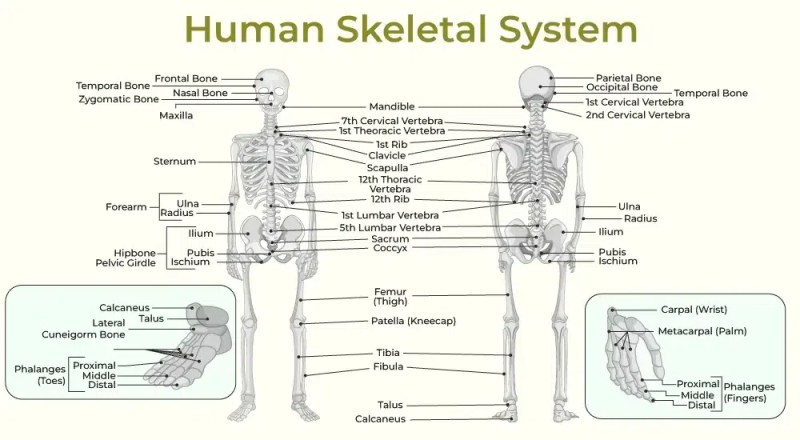
The Complete Overview of the Skeletal System
The skeletal system, a masterpiece of nature's design, is a complex structure with multifaceted roles. Principally, it provides the body with support and protection, enabling us to stand, walk, and move in myriad ways. The bones of the skeletal system also serve as a reservoir for essential minerals, such as calcium and phosphorus, playing a critical role in maintaining overall health.
Moreover, the skeletal system is integral to blood cell production. Within the marrow of certain bones, hematopoiesis occurs—the process by which blood cells are formed. This vital function ensures the body has a continuous supply of red blood cells, white blood cells, and platelets, which are essential for oxygen transport, immune defense, and clotting, respectively.
Historical Background and Evolution
The study of the skeletal system dates back to ancient times, with early civilizations recognizing the importance of bones. Ancient Egyptians, for instance, had a sophisticated understanding of the skeleton, as evidenced by their mummification practices. They viewed the bones as essential to the afterlife, meticulously preserving them alongside internal organs.
Table of Contents
- The Complete Overview of the Skeletal System
- Historical Background and Evolution
- Core Mechanisms: How the Skeletal System Works
- Key Benefits and Crucial Impact
- Major Advantages
- Comparative Analysis
- Future Trends and Innovations
- Conclusion
- Comprehensive FAQs
- Q: What are the primary functions of the skeletal system?
- Q: How does the skeletal system contribute to overall health?
- Q: What are some key differences between the skeletal system and other systems in the body?
- Q: How does the skeletal system adapt to changes in the body?
- Q: What are some future trends in skeletal system research and treatment?
In the realm of scientific discovery, the 16th century marked a significant turning point. Belgian anatomist Andreas Vesalius published "De humani corporis fabrica" (On the Fabric of the Human Body), a groundbreaking text that provided detailed illustrations and descriptions of the skeletal system. Vesalius's work corrected many previous misconceptions and laid the foundation for modern anatomy.
Core Mechanisms: How the Skeletal System Works
The skeletal system's primary function is achieved through its structure and the materials that compose it. Bones are rigid organs made up of various tissues, including compact bone, cancellous bone, and bone marrow. Compact bone, found on the outer surface, is dense and hard, providing strength and support. Cancellous bone, on the other hand, is a lightweight, porous tissue that helps with shock absorption and energy distribution.
Bone marrow, located within the bones, is a soft, spongy tissue responsible for blood cell production. It contains stem cells that differentiate into red blood cells, white blood cells, and platelets. This process is tightly regulated to ensure a balance of blood cells in the body.
Key Benefits and Crucial Impact
The skeletal system's contributions to human health and well-being are profound and multifaceted. Its roles extend far beyond mere structural support, encompassing essential functions that are vital for survival and quality of life.
“The skeletal system provides the structural framework for the human body, supporting soft tissues and organs, and enabling movement through muscle attachment. It also plays critical roles in hematopoiesis, mineral homeostasis, and communication with other organ systems.” - National Center for Biotechnology Information
Major Advantages
- Support and Protection: The skeletal system provides a sturdy framework that supports the body's weight and protects vital organs from damage.
- Facilitation of Movement: Bones serve as attachment points for muscles, allowing for the generation of force and movement through leverage.
- Mineral Storage: Bones act as a reservoir for essential minerals like calcium and phosphorus, helping to maintain proper levels in the bloodstream.
- Blood Cell Production: Bone marrow is the site of hematopoiesis, where all blood cells are produced, ensuring oxygen delivery, immune defense, and clotting.
- Endocrine Regulation: Bones secrete hormones, such as osteocalcin, which influence energy metabolism and insulin sensitivity.

Comparative Analysis
| Function | Skeletal System | Other Systems |
|---|---|---|
| Support | Provides rigid framework and support | Muscular system assists in movement and posture |
| Protection | Protects vital organs | Skin and immune system also provide protection |
| Blood Cell Production | Bone marrow produces blood cells | Other systems, like the lymphatic system, also contribute to immune cell production |
| Mineral Storage | Stores essential minerals like calcium | Kidneys and digestive system regulate mineral absorption and excretion |
Future Trends and Innovations
As our understanding of the skeletal system deepens, new avenues for research and innovation emerge. Advancements in medical technology are leading to improved treatments for skeletal disorders, such as osteoporosis and bone cancer. Additionally, the role of the skeletal system in overall health and disease is becoming increasingly recognized.
One promising area of research focuses on the use of stem cells and tissue engineering to regenerate bone. This could revolutionize the treatment of bone fractures and defects, offering patients faster healing times and improved outcomes. Furthermore, ongoing studies into the relationship between the skeletal system and other organ systems are revealing complex, interconnected pathways that may lead to novel therapeutic strategies for various diseases.

Conclusion
The skeletal system, with its multifaceted roles, is a testament to the remarkable complexity and ingenuity of the human body. From providing structural support and protection to facilitating movement and producing blood cells, the skeletal system is truly a cornerstone of human health. Understanding what the main function of the skeletal system is, therefore, provides us with a deeper appreciation for the intricate interplay of systems that make us who we are.
As science continues to unravel the mysteries of the skeletal system, we can expect further breakthroughs that will enhance our ability to treat and prevent a wide range of health conditions. The future of skeletal research holds great promise, offering hope for improved quality of life and overall well-being.
Comprehensive FAQs
Q: What are the primary functions of the skeletal system?
A: The primary functions include providing support and protection to the body, facilitating movement through muscle attachment, storing essential minerals like calcium and phosphorus, and producing blood cells in the bone marrow.
Q: How does the skeletal system contribute to overall health?
A: The skeletal system plays a critical role in overall health by maintaining mineral homeostasis, producing blood cells essential for immune defense and oxygen transport, and secreting hormones that influence energy metabolism.
Q: What are some key differences between the skeletal system and other systems in the body?
A: While other systems like the muscular system assist in support and movement, the skeletal system provides the primary rigid framework. Additionally, the skeletal system is unique in its role as a site for blood cell production and long-term mineral storage.
Q: How does the skeletal system adapt to changes in the body?
A: The skeletal system adapts through processes like bone remodeling, where old bone tissue is replaced with new bone. This helps maintain bone strength and structure in response to mechanical stress, hormonal changes, and nutrient availability.
Q: What are some future trends in skeletal system research and treatment?
A: Future trends include advancements in stem cell therapy and tissue engineering for bone regeneration, as well as a deeper understanding of the skeletal system's role in various diseases, leading to innovative therapeutic strategies.
Leave a Comment
Comments are moderated before appearing. The data you submit is processed according to the Privacy Policy of stanford.edu.