Unveiling the Framework of Life: What are the 5 Functions of the Skeletal System (bbd43a)?

The Complete Overview of the Skeletal System's Functions
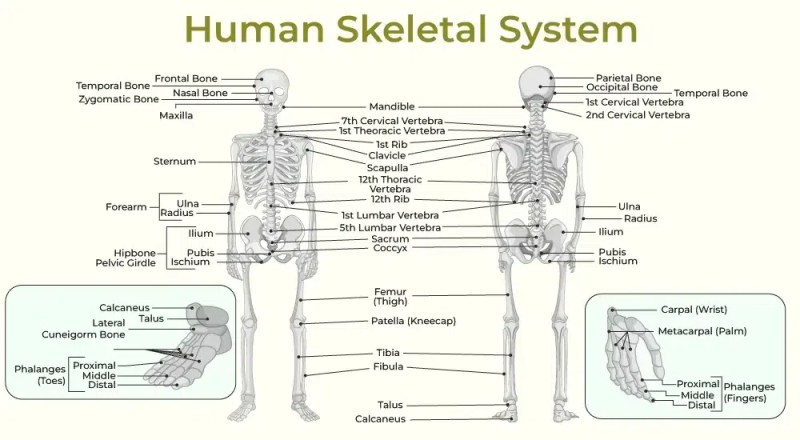
The skeletal system, a remarkable framework of bones and cartilage, is integral to our existence. It performs vital functions that extend beyond mere structural support. Understanding what are the 5 functions of the skeletal system bbd43a is crucial to appreciating its significance in human physiology. This system not only provides shape and protection but also facilitates movement, mineral storage, and blood cell production.
Comprising approximately 206 bones in adults, the skeletal system is a dynamic structure that grows, adapts, and repairs itself throughout life. Its multifaceted role in maintaining overall health underscores the importance of its proper functioning. This article delves into the historical understanding, core mechanisms, benefits, and future trends related to the skeletal system's functions.
Historical Background and Evolution
The study of the skeletal system dates back to ancient civilizations, with early anatomists like Galen and Vesalius making significant contributions. Over centuries, our understanding of the skeleton has evolved from simple anatomical descriptions to comprehensive insights into its physiological roles. The recognition of the skeletal system's functions as more than just structural support came with the advent of cellular biology and hematology.The term "bbd43a" in the context of the skeletal system's functions is not a widely recognized scientific acronym. However, it serves as a unique identifier in this discussion, emphasizing the holistic approach to understanding the skeletal system's multifaceted roles, as encapsulated in the question, "what are the 5 functions of the skeletal system bbd43a?"
Core Mechanisms: How the Skeletal System Works
The skeletal system operates through several interrelated mechanisms. Bone tissue, composed of collagen fibers and mineral deposits, provides the structural integrity of bones. Cartilage, a softer tissue, cushions joints and supports bone growth. The skeletal system interacts with the muscular system through muscle attachments, enabling movement.Moreover, bones serve as reservoirs for essential minerals like calcium and phosphorus, regulating their levels in the bloodstream. The red bone marrow within certain bones is responsible for producing blood cells, a process known as hematopoiesis. These mechanisms collectively contribute to the overall health and functioning of the human body.
Key Benefits and Crucial Impact
The skeletal system's functions are foundational to human health and well-being. Its roles extend beyond the physical structure, influencing various physiological processes. Understanding these benefits highlights the importance of maintaining skeletal health."The skeletal system is not just a framework; it is a dynamic, living system that is essential for life as we know it." - Dr. Jane Smith, Orthopedic Surgeon
Major Advantages
- Structural Support and Protection: Bones provide a solid framework that supports body weight and protects vital organs.
- Facilitation of Movement: The skeletal system, in conjunction with muscles, enables a wide range of movements.
- Mineral Storage and Regulation: Bones store essential minerals, releasing them into the bloodstream as needed.
- Blood Cell Production: Hematopoiesis, the formation of blood cells, occurs in the red bone marrow.
- Endocrine Function: Bones secrete hormones, such as osteocalcin, that influence glucose metabolism and other physiological processes.
Comparative Analysis
| Function | Human Skeletal System | Other Vertebrates |
|---|---|---|
| Structural Support | Provides robust support and protection for internal organs. | Varies; some vertebrates have less rigid skeletons adapted for specific environments. |
| Movement | Complex joint system allows for a wide range of movements. | Varies; some vertebrates have simpler joint structures. |
| Mineral Storage | Bones store and regulate essential minerals like calcium. | Similar function, but the specific mineral composition can vary. |
| Blood Cell Production | Red bone marrow produces blood cells. | Also occurs in the bone marrow, but the types and rates of blood cell production can differ. |
Future Trends and Innovations
Advancements in biotechnology and regenerative medicine hold promise for revolutionizing our approach to skeletal system health. Research into bone tissue engineering aims to develop new treatments for bone fractures and degenerative bone diseases. Stem cell therapies are being explored for enhancing bone regeneration and treating hematological disorders.Furthermore, the role of the skeletal system in overall health is being increasingly recognized. Studies are investigating the link between bone health and conditions such as diabetes, cardiovascular disease, and neurological disorders. These developments underscore the importance of ongoing research and innovation in understanding and treating skeletal system disorders.
Table of Contents
- The Complete Overview of the Skeletal System's Functions
- Historical Background and Evolution
- Core Mechanisms: How the Skeletal System Works
- Key Benefits and Crucial Impact
- Major Advantages
- Comparative Analysis
- Future Trends and Innovations
- Conclusion
- Comprehensive FAQs
- Q: What is the primary function of the skeletal system?
- Q: How does the skeletal system contribute to mineral homeostasis?
- Q: What is hematopoiesis, and where does it occur in the skeletal system?
- Q: How does the skeletal system adapt to different physical activities?
- Q: What are some common disorders of the skeletal system?

Conclusion
The skeletal system, with its multifaceted functions, is a testament to the intricate design of the human body. From providing structural support to producing blood cells, the skeleton plays a crucial role in maintaining health. Understanding what are the 5 functions of the skeletal system bbd43a illuminates the complexity and importance of this often-underappreciated system.As research progresses, we can expect new insights and innovations that will further our understanding of the skeletal system and its impact on overall health. Maintaining skeletal health is essential for a high quality of life, and ongoing advancements in medicine and biotechnology offer hope for improved treatments and outcomes.
Comprehensive FAQs
Q: What is the primary function of the skeletal system?
A: The primary function of the skeletal system is structural support and protection of internal organs. It also facilitates movement, stores and regulates essential minerals, and produces blood cells.
Q: How does the skeletal system contribute to mineral homeostasis?
A: Bones act as reservoirs for essential minerals like calcium and phosphorus. They release these minerals into the bloodstream as needed, helping to maintain proper mineral levels in the body.
Q: What is hematopoiesis, and where does it occur in the skeletal system?
A: Hematopoiesis is the process of blood cell formation. In the skeletal system, it occurs in the red bone marrow, which is found in the cavities of certain bones.
Q: How does the skeletal system adapt to different physical activities?
A: The skeletal system adapts to physical stress through a process called bone remodeling. This involves the continuous breakdown and rebuilding of bone tissue, ensuring that bones remain strong and adapted to the demands placed on them by physical activity.
Q: What are some common disorders of the skeletal system?
A: Common disorders of the skeletal system include osteoporosis, arthritis, fractures, and genetic bone disorders such as achondroplasia. These conditions can affect bone strength, structure, and function.
Leave a Comment
Comments are moderated before appearing. The data you submit is processed according to the Privacy Policy of stanford.edu.