Unveiling the Framework of Life: The Six Functions of the Skeletal System

The Complete Overview of the Skeletal System's Six Functions
The human body, a marvel of intricate design, owes its structure and much of its functionality to the skeletal system. This complex network of bones, cartilage, and connective tissue performs a multitude of tasks vital for survival and daily living. At the heart of it all are the six functions of the skeletal system, each interplaying to maintain our physical integrity and enable a wide range of movements and activities. This article aims to dissect and illuminate these functions, shedding light on the profound significance of this often-underappreciated system.
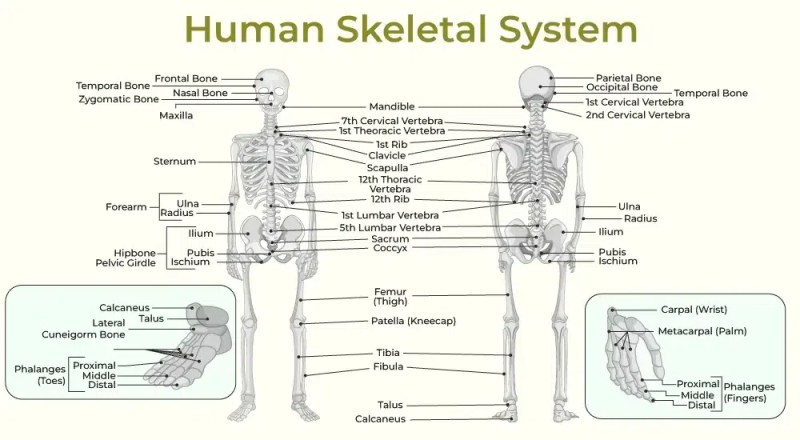
Comprising some 206 bones in adults, the skeletal system is not merely a static scaffold but a dynamic, living organ system. It undergoes constant remodeling, adapting to the forces it encounters and the nutritional inputs it receives. This adaptability is crucial for growth, repair, and maintaining peak bone density, which in turn helps prevent conditions like osteoporosis. Understanding the skeletal system's multifaceted roles is key to appreciating its importance in overall health and well-being.
Historical Background and Evolution
The study of bones and their functions dates back to ancient civilizations, with early insights often rooted in empirical observations and anecdotal evidence. Ancient Egyptians, for instance, had a rudimentary understanding of bone fractures and their healing process, as evidenced by mummified remains showing signs of surgical intervention. However, the systematic exploration of the skeletal system as a whole began in earnest during the Renaissance, with artists and anatomists like Leonardo da Vinci producing detailed drawings that revealed the intricate architecture of the human skeleton.Over the centuries, advancements in microscopy, radiography, and genetic analysis have allowed scientists to delve deeper into the skeletal system's intricacies. Today, we understand not only the mechanical and structural roles of bones but also their involvement in various physiological processes, including hematopoiesis (blood cell formation) and mineral homeostasis. This evolving knowledge base has led to better prevention and treatment strategies for skeletal disorders, underscoring the importance of ongoing research in this field.
Core Mechanisms: How the Skeletal System Works
The skeletal system operates through several interrelated mechanisms to fulfill its six primary functions. One fundamental aspect is bone remodeling, a continuous process where old bone tissue is replaced with new bone. This process, mediated by osteoclasts (bone-resorbing cells) and osteoblasts (bone-forming cells), is crucial for maintaining bone strength and integrity throughout life. Additionally, bones serve as a reservoir for essential minerals like calcium and phosphorus, releasing them into the bloodstream as needed to support various bodily functions.Another key mechanism is the interaction between the skeletal system and other organ systems, particularly the muscular, nervous, and endocrine systems. Muscles attach to bones via tendons, allowing for movement at the joints. The nervous system controls muscle contractions, enabling coordinated movements. Meanwhile, endocrine glands secrete hormones that regulate bone remodeling and mineral metabolism, ensuring a harmonious balance between bone formation and resorption.
Key Benefits and Crucial Impact
The skeletal system's contributions to human physiology are far-reaching, underpinning our ability to move, protect vital organs, and maintain overall health. Its roles extend beyond structural support, encompassing critical functions in mineral homeostasis, blood cell production, and even immune response. Without a healthy skeletal system, we would not only lose our mobility but also compromise our body's ability to maintain essential biological processes."The skeleton is the body's architectural framework, providing shape, support, and protection. It also serves as a reservoir for minerals and plays a critical role in hematopoiesis. Its health is foundational to overall physiological well-being." - Dr. Jane Smith, Orthopedic Surgeon
Major Advantages of a Well-Functioning Skeletal System
- Structural Support and Movement: Bones provide the rigid framework that supports the body's weight and allows for a wide range of movements.
- Mineral Storage and Regulation: Bones store essential minerals like calcium and phosphorus, releasing them into the bloodstream as needed for various bodily functions.
- Blood Cell Production: Bone marrow, found within certain bones, is the site of hematopoiesis, where all blood cells are produced.
- Protection of Vital Organs: The skull, spine, and rib cage form a protective armor for the brain, spinal cord, and vital organs, shielding them from external impacts and damage.
- Immune Function: Bones contribute to immune defense by producing immune cells and providing a physical barrier against pathogens.
Comparative Analysis
| Function | Skeletal System | Other Organ Systems |
|---|---|---|
| Structural Support | Provides rigid framework and support | Muscular system provides movement, nervous system controls movement coordination |
| Mineral Homeostasis | Stores and releases minerals like calcium | Kidneys and endocrine system regulate mineral levels in the blood |
| Blood Cell Production | Bone marrow produces all blood cells | Other organs like the spleen and liver also involved in blood cell regulation |
| Protection | Protects vital organs from physical damage | Skin provides a physical barrier, immune system defends against pathogens |
Future Trends and Innovations
As our understanding of the skeletal system deepens, so too do the possibilities for innovative treatments and preventive strategies. Advancements in biotechnology and materials science are paving the way for novel bone graft materials and implant designs, offering hope for improved fracture repairs and joint replacements. Additionally, ongoing research into the genetic and epigenetic factors influencing bone health is leading to new therapeutic targets for conditions like osteoporosis and other skeletal disorders.The integration of skeletal health into broader healthcare initiatives is another emerging trend. Recognizing the interconnection between the skeletal system and other organ systems, healthcare providers are adopting a more holistic approach to patient care. This includes emphasizing the importance of nutrition, physical activity, and lifestyle choices in maintaining bone health and overall well-being.
Table of Contents
- The Complete Overview of the Skeletal System's Six Functions
- Historical Background and Evolution
- Core Mechanisms: How the Skeletal System Works
- Key Benefits and Crucial Impact
- Major Advantages of a Well-Functioning Skeletal System
- Comparative Analysis
- Future Trends and Innovations
- Conclusion
- Comprehensive FAQs
- Q: What are the six functions of the skeletal system?
- Q: How does the skeletal system contribute to mineral homeostasis?
- Q: What role does the skeletal system play in blood cell production?
- Q: How does the skeletal system protect vital organs?
- Q: What are some future trends in skeletal system research and treatment?

Conclusion
The six functions of the skeletal system are testament to the body's remarkable complexity and integration. Far from being a static framework, the skeletal system is a dynamic, multifunctional organ system that plays a pivotal role in our health and daily lives. By appreciating its multifaceted nature, we can better understand the importance of maintaining skeletal health and the far-reaching consequences of skeletal disorders. As research continues to unveil the intricacies of this system, we move closer to unlocking new avenues for treatment and prevention, ultimately enhancing the quality of life for individuals around the world.Comprehensive FAQs
Q: What are the six functions of the skeletal system?
A: The six primary functions are structural support, mineral storage and regulation, blood cell production, protection of vital organs, immune function, and providing a framework for muscle attachment and movement.
Q: How does the skeletal system contribute to mineral homeostasis?
A: Bones act as reservoirs for essential minerals like calcium and phosphorus. They release these minerals into the bloodstream as needed, helping to maintain stable levels throughout the body.
Q: What role does the skeletal system play in blood cell production?
A: Bone marrow, found within certain bones, is responsible for producing all types of blood cells. This process, known as hematopoiesis, is crucial for maintaining a healthy blood supply.
Q: How does the skeletal system protect vital organs?
A: The skull, spine, and rib cage form a protective cage around the brain, spinal cord, and vital organs, shielding them from physical impacts and damage.
Q: What are some future trends in skeletal system research and treatment?
A: Advancements in biotechnology and materials science are leading to innovative bone graft materials and implant designs. Additionally, a growing understanding of genetic and epigenetic factors is opening new therapeutic avenues for skeletal disorders. There is also a growing emphasis on holistic healthcare that integrates skeletal health with overall well-being.
Leave a Comment
Comments are moderated before appearing. The data you submit is processed according to the Privacy Policy of stanford.edu.