Unveiling the Framework of Life: 6 Functions of the Skeletal System
The human body, a marvel of intricate design, owes its structure and much of its functionality to the skeletal system. This network of bones, cartilage, and connective tissue is more than just a framework; it is the foundation upon which our bodies are built. Understanding the 6 functions of the skeletal system illuminates why this intricate structure is essential for life as we know it.
From the protection of vital organs to the facilitation of movement, the skeletal system plays a multifaceted role in our overall health and well-being. It serves as a reservoir for essential minerals, contributes to blood cell production, and even has a role in maintaining our body's pH balance. This exploration delves into the core of this vital system, tracing its historical understanding, the mechanics that drive it, and the profound impacts it has on our lives.
By the end of this journey, you will have a comprehensive understanding of why the skeletal system is not merely a collection of bones but a dynamic, integrated system that is fundamental to our existence.

The Complete Overview of the Skeletal System's Functions
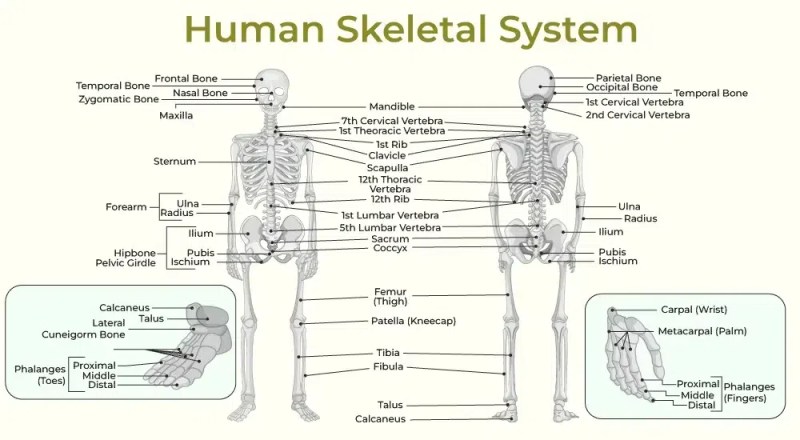
The skeletal system, a complex structure comprising bones, cartilage, and connective tissue, serves as the body's internal scaffolding. Its multifaceted role extends beyond mere structural support, encompassing a wide array of functions vital for survival. This system provides protection for our vital organs, facilitates movement through muscle attachment points, and serves as a mineral reservoir, primarily for calcium and phosphorus.
Moreover, the skeletal system plays a crucial role in blood cell production, with bone marrow being the site of origin for red blood cells, platelets, and most white blood cells. This system also contributes to maintaining the body's pH balance, acting as a buffer against excessive acidity or alkalinity. The intricate interplay between the skeletal system and other bodily systems highlights its indispensable role in maintaining overall health and homeostasis.
Historical Background and Evolution
The study of the skeletal system dates back to ancient civilizations, with early insights coming from the works of the ancient Greeks, such as Hippocrates and Galen. These early physicians recognized the importance of bones in providing structure and protection. However, their understanding was limited by the technological constraints of the time, relying primarily on observations from fractures and dissections.
Table of Contents
- The Complete Overview of the Skeletal System's Functions
- Historical Background and Evolution
- Core Mechanisms: How the Skeletal System Works
- Key Benefits and Crucial Impact
- Major Advantages
- Comparative Analysis
- Future Trends and Innovations
- Conclusion
- Comprehensive FAQs
- Q: What are the primary components of the skeletal system?
- Q: How does the skeletal system contribute to blood cell production?
- Q: What is the significance of the skeletal system in maintaining pH balance?
- Q: How does the skeletal system adapt to changes in physical activity?
- Q: What are some common disorders of the skeletal system?
The Renaissance brought significant advancements with the work of Andreas Vesalius, whose detailed anatomical drawings in the 16th century provided a more accurate representation of the skeletal system. The 19th and 20th centuries saw further progress with the development of radiography by Wilhelm Röntgen, allowing for non-invasive examination of bones, and the emergence of histology, which revealed the microstructure of bones and cartilage. Today, our understanding of the skeletal system continues to evolve with advancements in genetics, molecular biology, and medical imaging.
Core Mechanisms: How the Skeletal System Works
The skeletal system operates through a combination of mechanical and biological processes. At the core of its functionality are bones, which are composed of collagen fibers reinforced with calcium phosphate minerals. This composition provides bones with both flexibility and strength, allowing them to support the body's weight while remaining resilient to fractures.
Cartilage, another crucial component, serves as a shock absorber and provides a smooth surface for joint movement. Connective tissue, including ligaments and tendons, connects bones to other bones and muscles, respectively, facilitating movement and maintaining joint stability. The skeletal system's dynamic nature is further highlighted by its ability to remodel and repair itself throughout life, adapting to mechanical stress, hormonal changes, and nutritional status.
Key Benefits and Crucial Impact
The skeletal system's contributions to human health are profound and multifaceted. Beyond the obvious role in providing structure and mobility, the system serves as a critical reserve for essential minerals, a site for blood cell production, and a buffer against pH imbalances. These functions are interwoven with the overall health and well-being of the individual, underscoring the system's pivotal role in maintaining homeostasis.
"The skeletal system is a dynamic organ system that plays a critical role in mineral homeostasis, blood cell production, and mechanical support of the body."
Major Advantages
- Structural Support: Provides the framework that supports the body's shape and allows for upright posture.
- Protection: Safeguards vital organs, such as the heart, lungs, and brain, from physical damage.
- Mineral Reservoir: Stores and releases essential minerals like calcium and phosphorus, crucial for various bodily functions.
- Blood Cell Production: Bone marrow produces red blood cells, white blood cells, and platelets, vital for oxygen transport, immune function, and clotting.
- pH Regulation: Acts as a buffer system, helping to maintain the body's pH within a narrow, optimal range.
Comparative Analysis
| Function | Skeletal System | Other Systems |
|---|---|---|
| Structural Support | Provides the primary framework and support. | Muscular system assists but relies on skeletal system for attachment points. |
| Protection | Protects vital organs from physical trauma. | Other systems (e.g., skin, immune system) protect against infections but not physical damage. |
| Mineral Homeostasis | Serves as a reservoir for essential minerals. | Kidneys and digestive system also regulate mineral balance but do not store them. |
| Blood Cell Production | Bone marrow is the primary site of blood cell production. | Other tissues, like the thymus and lymph nodes, produce specific types of immune cells but not red blood cells. |
Future Trends and Innovations
The future of skeletal system research and healthcare is marked by exciting advancements in several areas. Regenerative medicine, including bone tissue engineering, aims to repair or replace damaged bone using stem cells and biomaterials. This approach holds promise for treating conditions like osteoporosis and severe bone fractures. Additionally, the development of advanced imaging techniques, such as high-resolution MRI and CT scans, offers more detailed insights into bone structure and metabolism, enabling earlier detection of diseases like bone cancer and metabolic disorders.
Personalized medicine, leveraging genetic and molecular data, is another frontier. This approach could lead to tailored treatments for skeletal disorders, considering an individual's unique genetic makeup and lifestyle factors. Furthermore, the integration of artificial intelligence in diagnosing and monitoring skeletal conditions is expected to enhance precision and efficiency in healthcare delivery.

Conclusion
The skeletal system, with its 6 functions, stands as a testament to the human body's remarkable complexity and adaptability. From offering structural support to regulating essential bodily processes, this system is integral to our health and survival. As research progresses, our understanding of the skeletal system deepens, paving the way for innovative treatments and improved healthcare. By appreciating the skeletal system's multifaceted role, we gain a greater understanding of the intricate balance that defines human life.
The ongoing exploration of this vital system not only enriches our knowledge of human anatomy but also opens doors to new therapeutic strategies, enhancing the quality of life for individuals facing skeletal-related conditions.
Comprehensive FAQs
Q: What are the primary components of the skeletal system?
A: The skeletal system comprises bones, cartilage, and connective tissue. Bones form the hard, supportive structure, cartilage provides flexibility and padding at joints, and connective tissue includes ligaments, tendons, and other structures that hold bones together and attach muscles to bones.
Q: How does the skeletal system contribute to blood cell production?
A: The skeletal system plays a vital role in blood cell production, particularly in the bone marrow. This soft, spongy tissue found inside bones is responsible for generating red blood cells, white blood cells, and platelets. These blood cells are essential for oxygen transport, immune defense, and clotting.
Q: What is the significance of the skeletal system in maintaining pH balance?
A: The skeletal system acts as a buffer, helping to maintain the body's pH within a narrow, optimal range. Bones contain minerals like calcium and phosphorus that can neutralize excess acid or base, preventing dangerous pH fluctuations that could harm other bodily systems.
Q: How does the skeletal system adapt to changes in physical activity?
A: The skeletal system is remarkably adaptable. In response to physical activity and mechanical stress, bones undergo remodeling, becoming denser and stronger. This process involves the constant breakdown and rebuilding of bone tissue, regulated by cells called osteoclasts and osteoblasts. Conversely, lack of physical activity can lead to bone loss and conditions like osteoporosis.
Q: What are some common disorders of the skeletal system?
A: Common disorders of the skeletal system include osteoporosis, arthritis, fractures, and genetic conditions like achondroplasia (dwarfism). Osteoporosis weakens bones due to low bone mass and structural deterioration. Arthritis involves inflammation of the joints, causing pain and stiffness. Fractures are breaks in bones, ranging from minor to severe. Genetic conditions affect bone growth and development.
Leave a Comment
Comments are moderated before appearing. The data you submit is processed according to the Privacy Policy of stanford.edu.