Unraveling the Ribcage Mystery: How Many Ribs Does a Guy Have?
The human body, a complex marvel of nature, has long intrigued scientists, medical professionals, and curious individuals alike. Among the myriad structures that compose our physique, the ribcage stands out as a protective fortress, shielding vital organs and offering insights into our very design. The question of how many ribs does a guy have is not merely a trivial query but a gateway to understanding the intricacies of male anatomy.
In this comprehensive exploration, we delve into the depths of this intriguing topic, tracing the historical understanding of the ribcage, unraveling its functional mechanics, and assessing its significance in the broader context of human biology. By the end of this journey, you'll not only have the answer to the initial query but also a deeper appreciation for the human body's remarkable design.
From the evolution of our species to the modern medical practices, the ribcage has played a pivotal role in shaping our understanding of human anatomy. Its study is essential not only for medical students and professionals but also for anyone interested in the wonders of the human form.
The Complete Overview of Male Ribcage Anatomy
The ribcage, or thoracic cage, is a structural masterpiece, comprising a network of bones, muscles, and connective tissues. Its primary function is to protect the heart, lungs, and other vital organs in the thoracic cavity. In the context of how many ribs does a guy have, we focus on the bony framework that forms the core of this protective structure.
Historical Background and Evolution
The study of human anatomy dates back to ancient civilizations, with early attempts to understand the body's inner workings often intertwined with philosophical and religious beliefs. Ancient Egyptian texts, such as the Edwin Smith Papyrus, provide some of the earliest recorded observations on the ribcage, describing its role in protecting the heart and lungs. However, it was the ancient Greeks who laid the foundation for modern anatomical understanding.
The renowned physician Galen of Pergamum, working in the Roman Empire, made significant contributions to the field. His dissection of animals and limited human cadavers led to groundbreaking insights into the ribcage's structure and function. Galen's work remained influential for centuries, shaping the understanding of the human body until the Renaissance when more detailed anatomical studies were conducted.
Table of Contents
- The Complete Overview of Male Ribcage Anatomy
- Historical Background and Evolution
- Core Mechanisms: How the Ribcage Works
- Key Benefits and Crucial Impact
- Major Advantages of the Male Ribcage:
- Comparative Analysis
- Future Trends and Innovations
- Conclusion
- Comprehensive FAQs
- Q: What is the primary function of the ribcage?
- Q: Are there any differences in the ribcage between males and females?
- Q: Can the number of ribs vary in individuals?
- Q: How do ribs contribute to breathing?
- Q: What are some common ribcage-related medical conditions?
The invention of the printing press and advancements in artistic techniques during the Renaissance sparked a new era of anatomical exploration. Artists like Leonardo da Vinci and Michelangelo, with their meticulous drawings, contributed immensely to our knowledge of the ribcage and its variations. These artistic endeavors, combined with the scientific rigor of anatomists like Andreas Vesalius, led to more accurate representations of the human body, including the ribcage.
Core Mechanisms: How the Ribcage Works
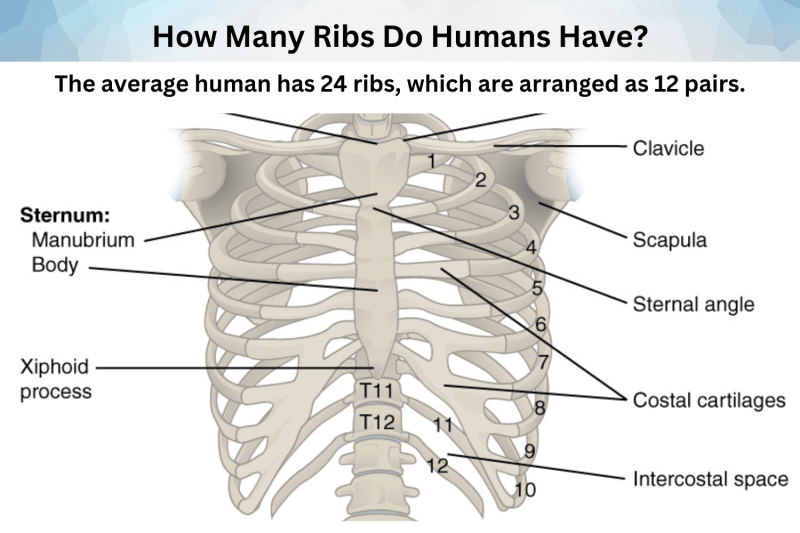
The male ribcage is composed of 24 ribs, attached to the thoracic vertebrae of the spine and connected to the sternum (breastbone) in the front. These ribs are divided into three categories based on their shape and attachment: true ribs, false ribs, and floating ribs.
- True Ribs (1-7): Directly attached to the sternum with their own individual costal cartilages.
- False Ribs (8-10): Attached indirectly to the sternum, sharing a common cartilage with the ribs above them.
- Floating Ribs (11-12): Lack a direct attachment to the sternum, instead connecting to the thoracic vertebrae and other ribs.
This intricate arrangement of ribs provides both protection and flexibility. The ribcage's movement is essential for breathing, as the intercostal muscles between the ribs contract and expand, allowing the lungs to fill with air. This dynamic structure also facilitates the expansion and contraction necessary for physical activities, ensuring the protection of vital organs during movement.
Key Benefits and Crucial Impact
The ribcage's primary role as a protective barrier for vital organs is undeniable. Its sturdy construction and strategic placement safeguard the heart, lungs, and major blood vessels from external trauma. Beyond this protective function, the ribcage plays a crucial role in respiration, enabling the lungs to expand and contract efficiently.
"The ribcage is a testament to the elegance of human anatomy, combining strength and flexibility to protect and support our most vital functions." - Dr. Emily Harris, Anatomist
Major Advantages of the Male Ribcage:
- Structural Integrity: Provides a solid framework that maintains the body's shape and protects internal organs.
- Respiratory Assistance: Facilitates breathing by expanding and contracting during inhalation and exhalation.
- Anchoring Point: Serves as an attachment site for numerous muscles involved in breathing, movement, and posture.
- Trauma Resistance: Offers significant protection against external forces, reducing the risk of organ damage.
- Adaptability: Allows for growth and adjustment during adolescence, accommodating the development of the lungs and heart.

Comparative Analysis
| Ribcage Feature | Male | Female |
|---|---|---|
| Number of Ribs | Typically 24 (12 pairs) | Typically 23-25 (11-12 pairs) |
| Rib Shape and Attachment | True, False, and Floating Ribs | Similar, but with variations in floating rib attachment |
| Respiratory Function | Essential for lung expansion | Slightly different mechanics due to breast tissue and hormonal influences |
| Protective Role | High, shielding vital organs | Comparable, with minor differences in organ placement |
Future Trends and Innovations
As medical science continues to advance, our understanding of the ribcage and its role in human health will undoubtedly evolve. Emerging technologies in imaging, such as advanced MRI and CT scans, provide unprecedented detail of the ribcage structure, aiding in the diagnosis and treatment of related conditions.
Additionally, the field of regenerative medicine holds promise for revolutionary treatments. Researchers are exploring ways to regenerate or replace damaged ribs, potentially offering new hope for trauma victims or individuals with congenital ribcage anomalies. These advancements could significantly impact the management of ribcage-related injuries and disorders.

Conclusion
The question of how many ribs does a guy have is more than a simple anatomical curiosity. It invites us to explore the intricate design of the human body, revealing the ribcage's vital role in protection, respiration, and overall health. From ancient anatomical studies to modern medical innovations, our understanding of this remarkable structure continues to evolve.
As we've discovered, the male ribcage is a complex and dynamic system, offering both strength and flexibility. Its 24 ribs, carefully arranged, provide a fascinating glimpse into the interplay between form and function in human biology. With ongoing research and technological advancements, we can expect to uncover even more about this essential component of our anatomy.
Comprehensive FAQs
Q: What is the primary function of the ribcage?
A: The ribcage's primary function is to protect vital organs, such as the heart and lungs, while also facilitating breathing through its role in lung expansion and contraction.
Q: Are there any differences in the ribcage between males and females?
A: Yes, males typically have 24 ribs, while females usually have 23-25. There are also minor differences in rib shape and attachment, particularly with floating ribs. These variations are related to evolutionary and developmental factors.
Q: Can the number of ribs vary in individuals?
A: While the standard number of ribs in males is 24, there can be variations. Some individuals may have an extra rib, known as a cervical rib, or missing ribs, which can lead to conditions like Sprigel's hernia. These variations are relatively rare but highlight the diversity in human anatomy.
Q: How do ribs contribute to breathing?
A: Ribs play a crucial role in breathing by expanding and contracting during inhalation and exhalation. The intercostal muscles between the ribs enable this movement, allowing the lungs to fill with air and expel carbon dioxide.
Q: What are some common ribcage-related medical conditions?
A: Ribcage-related conditions include fractured ribs, often due to trauma, and costochondritis, an inflammation of the cartilage that connects ribs to the sternum. Additionally, congenital conditions like fused ribs or missing ribs can affect the ribcage's structure and function.
Leave a Comment
Comments are moderated before appearing. The data you submit is processed according to the Privacy Policy of stanford.edu.