Unveiling the Extras: What is Umbrella Insurance Coverage?
In the realm of personal finance and risk management, understanding what is umbrella insurance coverage can be a game-changer. This often-overlooked component of insurance acts as a vital safety net, providing an extra layer of protection beyond the limits of your standard liability policies. Whether you're a homeowner, a business owner, or simply someone with substantial assets, an umbrella policy can offer peace of mind and significant financial security.
Imagine this scenario: you're sued for an accident that occurs on your property, and the damages exceed the liability limits of your homeowner's insurance. This is where umbrella insurance steps in, bridging the gap between your primary insurance coverage and the actual cost of the claim. By understanding what is umbrella insurance coverage and how it works, you can make an informed decision to safeguard your assets and financial future.
More than just a safety net, umbrella insurance can also cover legal fees and other expenses associated with defending against lawsuits. This comprehensive protection makes it an essential consideration for anyone seeking to fully shield their assets and maintain financial stability in the face of unforeseen events.
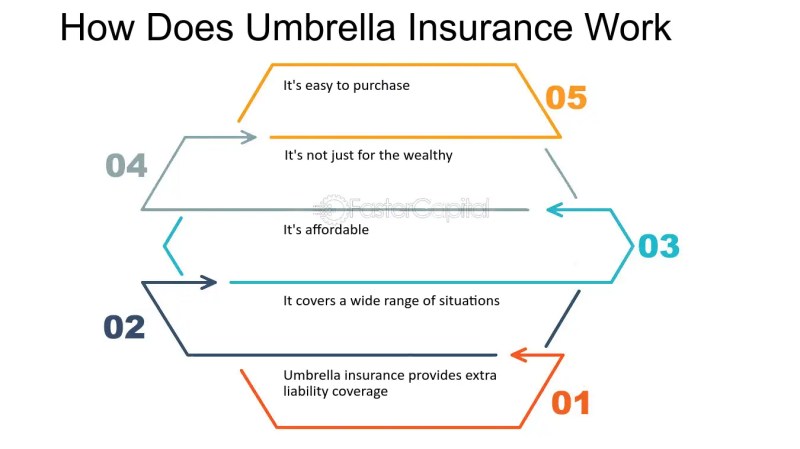
The Complete Overview of Umbrella Insurance Coverage
Umbrella insurance, also known as a personal umbrella policy or excess liability insurance, is designed to provide an additional layer of liability protection above and beyond the limits of your primary insurance policies. This includes homeowner's insurance, auto insurance, and other liability coverage you may have in place. The primary function of an umbrella policy is to shield your assets from financial loss due to lawsuits, claims, or judgments against you.
The coverage offered by an umbrella policy is not limited to specific assets or scenarios; instead, it acts as a blanket policy that can cover a wide range of incidents. This includes bodily injury, property damage, personal injury (such as libel or slander), and other liability claims. The policy kicks in when the damages exceed the limits of your primary insurance, ensuring that you are not left financially vulnerable.
Historical Background and Evolution
The concept of umbrella insurance emerged in the mid-20th century as a response to the increasing complexity and value of personal assets. As individuals accumulated more wealth and faced growing legal risks, traditional insurance policies became insufficient to fully protect against potential liabilities. Umbrella insurance was developed to fill this gap, offering an additional layer of protection that could be tailored to individual needs.
Table of Contents
- The Complete Overview of Umbrella Insurance Coverage
- Historical Background and Evolution
- Core Mechanisms: How It Works
- Key Benefits and Crucial Impact
- Major Advantages
- Comparative Analysis
- Future Trends and Innovations
- Conclusion
- Comprehensive FAQs
- Q: Who needs umbrella insurance?
- Q: How much does umbrella insurance cost?
- Q: What types of claims does umbrella insurance cover?
- Q: Does umbrella insurance cover my business liabilities?
- Q: Can I customize my umbrella insurance policy?
Over time, the scope and flexibility of umbrella insurance have evolved to keep pace with changing legal landscapes and consumer needs. Today, umbrella policies are not only accessible to the extremely wealthy but are also recommended for middle-class individuals with substantial assets, such as homeowners, professionals, and business owners. The policies have become more comprehensive, covering a broader range of incidents and offering higher limits of liability protection.
Core Mechanisms: How It Works
An umbrella insurance policy operates by providing additional liability coverage that supplements your existing insurance policies. When a claim is made against you that exceeds the limits of your primary insurance, the umbrella policy steps in to cover the difference. This ensures that you are protected from having to pay out-of-pocket for damages or legal fees.
The policy typically has two main components: underlying insurance and umbrella coverage. Underlying insurance refers to your primary insurance policies, such as homeowner's and auto insurance, which must be maintained in order for the umbrella policy to be effective. Umbrella coverage, on the other hand, kicks in when the limits of your underlying insurance are exhausted, providing additional protection up to the limit of the umbrella policy.
Key Benefits and Crucial Impact
Umbrella insurance offers a range of benefits that can significantly impact your financial security and peace of mind. Understanding these advantages is crucial for anyone considering whether what is umbrella insurance coverage is right for them.
"Umbrella insurance is like having a financial firewall. It protects your assets from being wiped out by unexpected lawsuits or claims." - John Smith, Financial Advisor
Major Advantages
- Enhanced Liability Protection: Umbrella insurance increases your liability coverage limits, providing an extra layer of protection against lawsuits and claims.
- Legal Defense Coverage: In addition to covering damages, umbrella policies often include legal defense costs, protecting you from the financial burden of litigation.
- Flexibility and Customization: Umbrella policies can be tailored to your specific needs and asset level, offering flexibility in coverage amounts and types of incidents covered.
- Cost-Effective Peace of Mind: Given the extensive protection it offers, umbrella insurance is often a cost-effective way to safeguard your financial future.
- Protection Against Uninsured Losses: Umbrella coverage can also protect you from incidents where the other party is uninsured or underinsured, providing additional security in unpredictable situations.

Comparative Analysis
| Standard Liability Insurance | Umbrella Insurance |
|---|---|
| Covers up to the policy limits specified in your primary insurance policy. | Provides additional coverage beyond the limits of your standard liability policies. |
| Typically tied to specific assets or policies (e.g., homeowner's, auto). | Offers broader, more comprehensive coverage across various liability scenarios. |
| Does not usually cover legal defense costs beyond the policy limits. | Often includes legal defense coverage, protecting against litigation expenses. |
| May leave you vulnerable to significant out-of-pocket expenses in major claims. | Provides a financial safety net, protecting assets in high-value lawsuits. |
Future Trends and Innovations
As the insurance industry continues to evolve, so too will the landscape of umbrella insurance. Emerging trends suggest that umbrella policies will become even more customizable, allowing individuals to tailor coverage to their specific needs and risk profiles. This could include options for cyber liability, privacy breach protection, and other emerging risks that were not traditionally covered by standard liability policies.
Additionally, the rise of digital platforms and AI-driven risk assessment tools may lead to more precise pricing and underwriting of umbrella insurance. This could make umbrella policies more accessible and affordable for a broader range of consumers, democratizing access to this crucial form of protection.

Conclusion
Understanding what is umbrella insurance coverage is essential for anyone looking to fully protect their assets and financial future. Umbrella insurance serves as a critical safety net, providing additional liability protection beyond standard policies. With its ability to cover excess damages, legal fees, and a wide range of incidents, an umbrella policy can offer significant peace of mind and financial security.
As the insurance industry evolves, umbrella insurance is likely to become even more versatile and accessible, adapting to meet the changing needs of consumers. By considering an umbrella policy, individuals can ensure that they are well-protected against the unexpected, safeguarding their assets and maintaining financial stability in an uncertain world.
Comprehensive FAQs
Q: Who needs umbrella insurance?
A: Anyone with substantial assets to protect can benefit from umbrella insurance. This includes homeowners, business owners, professionals, and individuals with significant savings or investments. Essentially, if you have more assets than your standard liability insurance can cover, an umbrella policy is a wise consideration.
Q: How much does umbrella insurance cost?
A: The cost of umbrella insurance varies based on the amount of coverage you choose and your personal risk profile. Typically, policies start at around $1 million in additional coverage and can be obtained for a few hundred dollars annually. Rates can be influenced by factors such as your location, credit score, and the limits of your underlying insurance policies.
Q: What types of claims does umbrella insurance cover?
A: Umbrella insurance is designed to cover a broad range of liability claims, including bodily injury, property damage, personal injury (such as libel or slander), and other incidents where you are held legally responsible. It can also provide coverage for legal defense costs associated with these claims.
Q: Does umbrella insurance cover my business liabilities?
A: While umbrella insurance can provide personal liability protection, it may not adequately cover business-related liabilities. For comprehensive business protection, you may need a separate commercial umbrella policy or additional business liability insurance. It's important to discuss your specific business needs with an insurance professional.
Q: Can I customize my umbrella insurance policy?
A: Yes, umbrella insurance policies are highly customizable. You can choose the level of additional coverage you need, from $1 million to $5 million or more, depending on your assets and risk tolerance. Additionally, some insurers offer options to tailor your policy to cover specific risks or scenarios that are particularly relevant to you.
Leave a Comment
Comments are moderated before appearing. The data you submit is processed according to the Privacy Policy of stanford.edu.