Navigating Risk: The Essential Guide to Liability Insurance for One-Day Events
In the realm of event management, mitigating risk is as essential as curating an engaging program. A single unforeseen incident can lead to significant financial and legal repercussions. This is where liability insurance for one-day events steps in, offering a safety net against potential claims and lawsuits.
Whether you're organizing a community festival, a corporate seminar, or a charitable fundraiser, understanding the intricacies of liability insurance is vital. It can protect you from financial loss and ensure that your event proceeds smoothly, allowing you to focus on delivering a memorable experience for your attendees.
In this comprehensive guide, we delve into the world of liability insurance for one-day events, exploring its historical background, core mechanisms, key benefits, and future trends. By the end, you'll have a clear understanding of why this type of insurance is an indispensable tool in your event planning arsenal.

The Complete Overview of Liability Insurance for One-Day Events
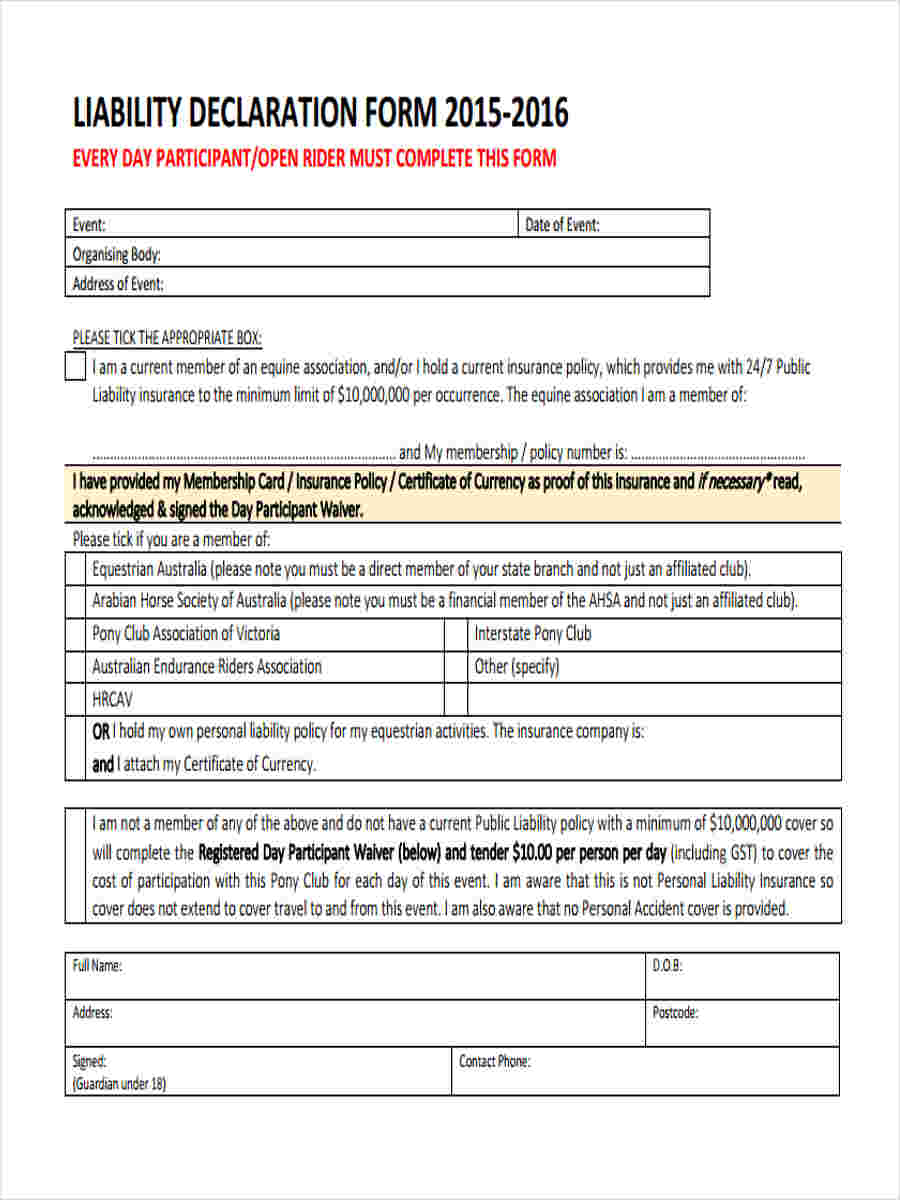
Liability insurance for one-day events is a specialized form of coverage designed to protect event organizers from claims arising from bodily injury, property damage, or personal and advertising injury that may occur during a specific, short-term event. This insurance acts as a financial shield, covering legal fees and settlement costs should someone sue as a result of an incident at your event.
The importance of this coverage cannot be overstated, especially considering the unpredictable nature of live events. From slip-and-fall accidents to vendor-related issues, the potential for liability is ever-present. By securing liability insurance, event organizers demonstrate a commitment to managing risk effectively, providing peace of mind for both themselves and their attendees.
Historical Background and Evolution
The concept of liability insurance has its roots in the early 20th century, evolving from the need to protect businesses from the increasing number of lawsuits related to product liability and workplace accidents. Over time, this insurance evolved to cater to specific industries and events, including one-day events.
Table of Contents
- The Complete Overview of Liability Insurance for One-Day Events
- Historical Background and Evolution
- Core Mechanisms: How It Works
- Key Benefits and Crucial Impact
- Major Advantages
- Comparative Analysis
- Future Trends and Innovations
- Conclusion
- Comprehensive FAQs
- Q: What is the primary purpose of liability insurance for a one-day event?
- Q: How does the cost of liability insurance for a one-day event compare to general liability insurance?
- Q: Can liability insurance for a one-day event be customized to meet specific event needs?
- Q: Is liability insurance required for all one-day events?
- Q: How can I determine the right level of liability coverage for my one-day event?
As events became more complex and diverse, so did the risks associated with them. From small-scale community gatherings to large-scale music festivals, organizers recognized the need for tailored insurance solutions. Insurance providers responded by developing specialized liability insurance policies for one-day events, offering flexible coverage options to meet the unique needs of each event type.
Core Mechanisms: How It Works
Liability insurance for one-day events operates on a straightforward principle: risk transfer. By purchasing a policy, the event organizer transfers the financial risk of potential liabilities to the insurance company. This transfer is achieved through the payment of a premium, which is determined by various factors including the event's size, location, and nature of activities.
In the event of a claim, the insurance provider investigates the incident and, if the claim is valid, covers the associated costs. This includes legal fees, court costs, and settlement or judgment amounts. The policyholder is typically responsible for any deductibles or co-pays outlined in the policy, but the bulk of the financial burden is assumed by the insurance company.
Key Benefits and Crucial Impact
Liability insurance for one-day events offers a multitude of benefits that extend beyond financial protection. It fosters a culture of safety and responsibility, enhancing the overall event experience for everyone involved.
"Liability insurance allows event organizers to focus on creating exceptional experiences rather than worrying about potential liabilities."
Major Advantages
- Financial Protection: Safeguards event organizers from devastating financial losses due to lawsuits and claims.
- Peace of Mind: Enables organizers to concentrate on event logistics and guest satisfaction without undue worry.
- Enhanced Credibility: Demonstrates a commitment to risk management, boosting the event's reputation and attracting sponsors and attendees.
- Vendor Requirements: Many vendors and service providers require proof of liability insurance, making it easier to secure their services.
- Legal Defense: Covers legal expenses, ensuring organizers have access to skilled representation in the event of a lawsuit.

Comparative Analysis
| Aspect | Liability Insurance for One-Day Events | General Liability Insurance |
|---|---|---|
| Coverage Period | Specific to the event duration (typically one day) | Continuous coverage for ongoing operations |
| Cost | Varies based on event specifics, often more affordable for short-term events | Higher premiums due to broader, year-round coverage |
| Flexibility | Tailored to event needs, including additional coverages like liquor liability | Standard policy terms, less customizable for specific events |
| Suitability | Ideal for one-off events, pop-up markets, and short-term gatherings | Suitable for businesses and organizations with ongoing operations |
Future Trends and Innovations
The landscape of liability insurance for one-day events is continually evolving, driven by technological advancements, changing risk landscapes, and shifting consumer expectations. As events become more interactive and immersive, the need for comprehensive yet flexible insurance solutions will only grow.
Emerging trends include the integration of data analytics to more accurately assess risks and price policies, as well as the development of digital platforms that streamline the insurance purchasing process. Additionally, there's a growing emphasis on cyber liability coverage, reflecting the increasing digital presence of events and the associated risks of data breaches and cyberattacks.
Conclusion
Liability insurance for one-day events is not merely a financial safety net; it's a strategic tool that enables event organizers to navigate risks with confidence. By understanding the historical context, core mechanisms, and key benefits of this insurance, organizers can make informed decisions to protect their events and enhance overall success.
As the events industry continues to evolve, so too will the insurance solutions that support it. By staying abreast of emerging trends and working closely with insurance professionals, event organizers can ensure they have the coverage they need to thrive in an ever-changing landscape.
Comprehensive FAQs
Q: What is the primary purpose of liability insurance for a one-day event?
A: The primary purpose is to protect event organizers from financial loss due to claims of bodily injury, property damage, or personal and advertising injury that may occur during the event.
Q: How does the cost of liability insurance for a one-day event compare to general liability insurance?
A: It is typically more affordable due to its specific, short-term coverage period, whereas general liability insurance provides continuous coverage for ongoing operations at a higher premium.
Q: Can liability insurance for a one-day event be customized to meet specific event needs?
A: Yes, it is highly customizable. Organizers can tailor the policy to include additional coverages relevant to their event, such as liquor liability or volunteer accident coverage.
Q: Is liability insurance required for all one-day events?
A: While not always legally required, it is highly recommended. Many venues and vendors may mandate proof of insurance, and it provides crucial protection against unforeseen circumstances.
Q: How can I determine the right level of liability coverage for my one-day event?
A: Consult with an insurance professional who specializes in event coverage. They can assess your event's unique risks and recommend appropriate coverage limits based on factors like event size, activities, and location.
Leave a Comment
Comments are moderated before appearing. The data you submit is processed according to the Privacy Policy of stanford.edu.