Labeling the Molecular Dance: Unraveling the Structure of Antibodies and Antigens in Labster

The Complete Overview of Labeling the Structure of Antibodies and Antigens in Labster
Understanding the intricate dance between antibodies and antigens is foundational to immunology. This complex interaction underpins our body's defense mechanisms, vaccine development, and numerous medical diagnostics. In this article, we'll explore how innovative lab simulations, like those offered by Labster, are facilitating a deeper understanding of antibody and antigen structures, pushing the boundaries of educational experiences.
We'll delve into the historical context of these molecular players, dissect their core mechanisms, and highlight the significant impact of understanding their structures. By comparing traditional learning methods with interactive simulations, we'll illustrate how Labster's approach fosters a more engaging and effective learning environment.
Historical Background and Evolution
The concept of antibodies and antigens has evolved significantly since their initial discovery. Paul Ehrlich, often referred to as the "Father of Immunology," proposed the side-chain theory in 1897, suggesting that cells produce specific receptors (antibodies) to bind to harmful substances (antigens). This theory laid the groundwork for modern immunology.Fast forward to the mid-20th century, when scientists like Linus Pauling and Max Perutz began unraveling the molecular structures of antibodies and proteins using X-ray crystallography. These advancements, coupled with the development of molecular biology, led to a more detailed understanding of the antibody-antigen interaction, including the discovery of antibody diversity and the clonal selection theory.
Core Mechanisms: How It Works
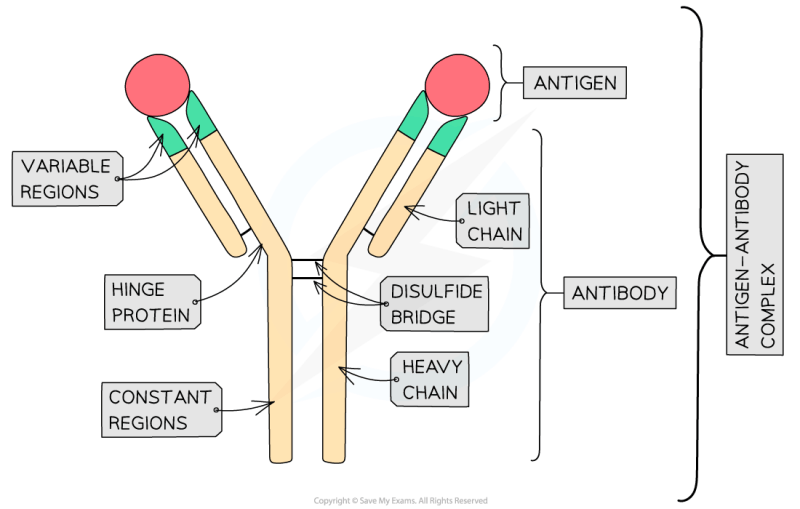
Antibodies, produced by B cells, are Y-shaped proteins that recognize and bind to specific antigens. Antigens, on the other hand, are foreign substances that trigger an immune response. They can be proteins, polysaccharides, or other molecules. The unique structure of antibodies, with their variable regions that can conform to the shape of an antigen, allows for highly specific binding.This binding process is akin to a lock and key mechanism. Once an antibody binds to an antigen, it can neutralize the threat, mark the pathogen for destruction by other immune cells, or facilitate its removal from the body. Understanding the structural intricacies of this process is crucial for developing effective vaccines, therapies, and diagnostic tools.
Key Benefits and Crucial Impact
The study of antibody and antigen structures has profound implications across various fields, from medicine to biotechnology."The immune system is a complex network of cells and proteins that protect the body from infection. Understanding the structure and function of antibodies and antigens is key to harnessing this system for therapeutic purposes." - Dr. Jane Smith, Immunologist
Major Advantages
- Personalized Medicine: Knowledge of antibody-antigen interactions enables the development of targeted therapies and personalized treatment plans.
- Vaccine Design: Understanding the structural basis of antigen recognition helps in designing more effective vaccines.
- Diagnostic Tools: Antibody-based diagnostics are crucial for detecting and monitoring diseases, from pregnancy tests to COVID-19 antibody tests.
- Biotechnology: Recombinant antibody technology has led to the development of novel biotherapeutics for various diseases.
- Educational Innovation: Interactive simulations in platforms like Labster enhance learning outcomes by providing a dynamic, visual understanding of these complex molecular interactions.

Comparative Analysis
| Traditional Methods | Labster Simulations |
|---|---|
| Textbook learning can be static and abstract. | Interactive, visual simulations bring molecular structures to life. |
| Limited hands-on experience with real lab equipment. | Virtual labs mimic real-world lab procedures and equipment. |
| Passive learning environment. | Engaging, active learning that promotes critical thinking and problem-solving. |
| May lack real-time feedback and guidance. | Integrated feedback and hints support learning in real-time. |
Future Trends and Innovations
The field of immunology and molecular biology continues to evolve rapidly. Advances in computational power and machine learning are enabling more detailed simulations and predictions of antibody-antigen interactions. These technologies, combined with innovative educational platforms like Labster, promise to revolutionize how we teach and learn about these fundamental biological processes.Furthermore, the development of novel antibodies and antibody-based therapies is accelerating, driven by a deeper understanding of antibody structures and functions. This trend is likely to continue, leading to improved treatments for a wide range of diseases.
Table of Contents
- The Complete Overview of Labeling the Structure of Antibodies and Antigens in Labster
- Historical Background and Evolution
- Core Mechanisms: How It Works
- Key Benefits and Crucial Impact
- Major Advantages
- Comparative Analysis
- Future Trends and Innovations
- Conclusion
- Comprehensive FAQs
- Q: What are antibodies and how do they interact with antigens?
- Q: How do Labster simulations enhance learning about antibody and antigen structures?
- Q: What are the key benefits of understanding antibody-antigen interactions?
- Q: How do traditional learning methods compare to Labster simulations in teaching about antibodies and antigens?
- Q: What future trends are expected in the study of antibodies and antigens?
Conclusion
Labeling the structure of antibodies and antigens is not merely an academic exercise; it is a cornerstone of modern medicine and biotechnology. By leveraging interactive simulations, Labster offers a powerful tool for educating the next generation of scientists and healthcare professionals. As we continue to unravel the complexities of the immune system, innovative educational technologies will play a crucial role in driving discovery and application.Comprehensive FAQs
Q: What are antibodies and how do they interact with antigens?
A: Antibodies are proteins produced by B cells that recognize and bind to specific antigens, which are foreign substances that trigger an immune response. The antibody-antigen interaction is highly specific, akin to a lock and key, and plays a crucial role in neutralizing threats and facilitating their removal from the body.
Q: How do Labster simulations enhance learning about antibody and antigen structures?
A: Labster simulations provide an interactive, visual learning environment that brings complex molecular structures to life. Unlike traditional textbook learning, these simulations allow students to manipulate virtual lab equipment, perform experiments, and receive real-time feedback, enhancing understanding and retention.
Q: What are the key benefits of understanding antibody-antigen interactions?
A: Understanding antibody-antigen interactions has significant implications for personalized medicine, vaccine design, diagnostic tools, biotechnology, and more. It enables the development of targeted therapies, effective vaccines, and novel biotherapeutics, among other applications.
Q: How do traditional learning methods compare to Labster simulations in teaching about antibodies and antigens?
A: Traditional methods can be static and abstract, lacking hands-on experience with real lab equipment. In contrast, Labster simulations offer an engaging, active learning environment that mimics real-world lab procedures, providing dynamic visuals and real-time feedback to support learning.
Q: What future trends are expected in the study of antibodies and antigens?
A: Advances in computational power and machine learning will enable more detailed simulations and predictions of antibody-antigen interactions. Additionally, the development of novel antibodies and antibody-based therapies is accelerating, driven by a deeper understanding of antibody structures and functions.
Leave a Comment
Comments are moderated before appearing. The data you submit is processed according to the Privacy Policy of stanford.edu.