Drag the Right Word to Its Definition: Unraveling the Power of Interactive Language Learning
In the realm of education, innovative approaches to learning have always been sought after to enhance engagement and comprehension. One such method that has gained significant traction is the use of interactive language learning tools, particularly those that employ the concept of "drag the right word to its definition." This technique has proven to be especially effective in vocabulary acquisition and language proficiency.
The appeal lies in its simplicity and effectiveness. By allowing learners to actively participate in the learning process through drag-and-drop interactions, these tools not only make learning fun but also deeply ingrain knowledge through hands-on experience. This article delves into the complete overview of this method, exploring its historical background, core mechanisms, key benefits, and future trends.
As we navigate through the digital age, the integration of technology in education has opened new avenues for learning. Interactive language learning platforms have emerged as powerful tools, catering to diverse learning styles and needs. The "drag the right word to its definition" approach stands out for its ability to bridge the gap between theory and practice, making language learning an intuitive and enjoyable experience.

The Complete Overview of Drag the Right Word to Its Definition
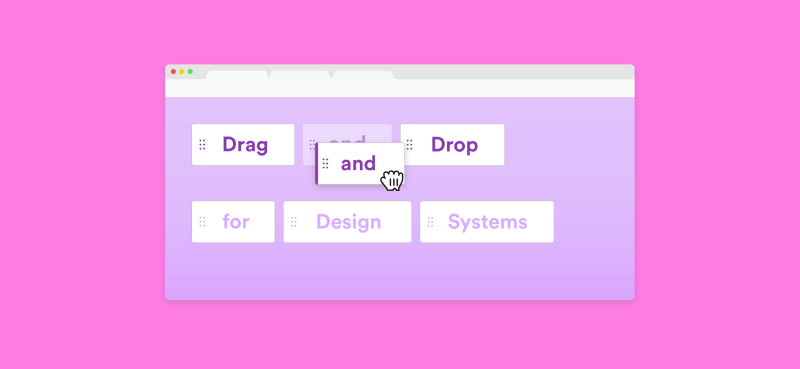
This interactive learning method involves presenting learners with a word and requiring them to drag it to its correct definition or meaning. The exercise is designed to reinforce vocabulary by promoting active recall and immediate feedback. This technique is particularly beneficial for language learners, as it encourages them to think critically about word meanings and context.
Historical Background and Evolution
The concept of interactive learning is not new; traditional flashcards and word matching games have been used for decades. However, the digital revolution has transformed these analog tools into sophisticated online platforms. The advent of educational technology (EdTech) has seen the development of interactive language learning apps and websites that leverage the power of computers to provide personalized, engaging, and effective learning experiences.
The "drag the right word to its definition" format has evolved alongside these technological advancements. What started as simple word-matching exercises on early learning software has grown into dynamic, adaptive learning environments. Today, these tools incorporate artificial intelligence and machine learning algorithms to tailor exercises to individual learner needs, ensuring optimal learning outcomes.
Table of Contents
- The Complete Overview of Drag the Right Word to Its Definition
- Historical Background and Evolution
- Core Mechanisms: How It Works
- Key Benefits and Crucial Impact
- Major Advantages
- Comparative Analysis
- Future Trends and Innovations
- Conclusion
- Comprehensive FAQs
- Q: How does the "drag the right word to its definition" method benefit learners?
- Q: Is this method suitable for all age groups?
- Q: Can this method be used to learn multiple languages?
- Q: How does immediate feedback enhance learning?
- Q: What role does technology play in the future of this learning method?
Core Mechanisms: How It Works
At its core, the "drag the right word to its definition" method relies on a few key mechanisms:
- Active Learning: Learners are actively involved in the process, physically dragging words to their definitions. This hands-on approach promotes deeper cognitive engagement than passive learning methods.
- Immediate Feedback: The system instantly confirms whether the learner has matched the word correctly, providing immediate reinforcement or correction.
- Contextual Learning: By presenting words and their definitions within sentences or phrases, learners can understand how words are used in context, enhancing their comprehension and vocabulary retention.
- Adaptive Learning: Advanced platforms use algorithms to adjust the difficulty level based on the learner's performance, ensuring a personalized and challenging learning experience.
Key Benefits and Crucial Impact
The "drag the right word to its definition" method has been hailed for its significant benefits in language learning. It offers a dynamic, engaging, and effective approach that caters to various learning styles, making it a powerful tool in today's educational landscape.
"Interactive language learning not only accelerates vocabulary acquisition but also fosters a love for language learning by making it enjoyable and accessible."
Major Advantages
- Enhanced Engagement: The interactive nature of the exercises captures learners' attention, making language learning a fun and engaging activity.
- Improved Retention: Active participation and immediate feedback significantly improve knowledge retention compared to traditional learning methods.
- Personalized Learning: Adaptive platforms tailor the learning experience to each individual, ensuring that learners progress at their own pace and receive targeted practice.
- Comprehensive Feedback: Learners receive instant feedback on their performance, helping them identify areas for improvement and track their progress over time.
- Accessibility: Digital platforms make language learning accessible anytime, anywhere, accommodating diverse learning schedules and preferences.
Comparative Analysis
| Learning Method | Drag the Right Word to Its Definition |
|---|---|
| Engagement Level | High |
| Retention Rate | Superior |
| Personalization | Adaptive and Customizable |
| Feedback Speed | Instant |
Future Trends and Innovations
As technology continues to advance, the future of "drag the right word to its definition" and interactive language learning looks promising. Emerging trends include:
- Virtual Reality (VR) Integration: VR technology offers immersive learning experiences, allowing learners to interact with words and definitions in 3D environments.
- Artificial Intelligence (AI) Advancements: AI will play an increasingly significant role in personalizing learning paths, providing more nuanced feedback, and adapting content in real-time.
- Gamification: Incorporating game elements into learning activities will further enhance engagement and motivation, making language learning even more enjoyable.
These innovations will not only improve the effectiveness of language learning but also make it more accessible and inclusive, catering to a wider range of learners with diverse needs and preferences.

Conclusion
The "drag the right word to its definition" method represents a significant advancement in language learning, leveraging technology to create engaging, effective, and personalized educational experiences. Its benefits are clear, from enhanced engagement and improved retention to comprehensive feedback and accessibility. As we look to the future, continued innovation in this field promises to make language learning more inclusive and successful for all.
Whether you are a student, educator, or lifelong learner, interactive language learning tools offer a powerful way to acquire new vocabulary and improve language proficiency. By embracing these technologies, we can unlock new levels of language competency and open doors to a world of cultural understanding and global communication.
Comprehensive FAQs
Q: How does the "drag the right word to its definition" method benefit learners?
A: This method benefits learners by promoting active engagement, improving retention through immediate feedback, personalizing the learning experience, providing comprehensive performance tracking, and making language learning accessible anytime, anywhere.
Q: Is this method suitable for all age groups?
A: Yes, the "drag the right word to its definition" approach can be adapted for various age groups, from young children to adults. The interactive nature of the exercises is particularly appealing to younger learners, while the personalization and feedback are valuable for older students and adults.
Q: Can this method be used to learn multiple languages?
A: Absolutely. Many interactive language learning platforms offer courses in multiple languages, making it an effective tool for polyglots and those looking to learn more than one language.
Q: How does immediate feedback enhance learning?
A: Immediate feedback allows learners to correct misconceptions quickly, reinforces correct answers, and provides a clear understanding of their progress. This instant reinforcement helps in solidifying new knowledge and identifying areas that require further practice.
Q: What role does technology play in the future of this learning method?
A: Technology will continue to play a pivotal role in advancing this method. Innovations such as virtual reality, enhanced artificial intelligence, and gamification will make language learning more immersive, personalized, and engaging, catering to a wider range of learners and learning styles.
Leave a Comment
Comments are moderated before appearing. The data you submit is processed according to the Privacy Policy of stanford.edu.