Can You Deduct Legal Fees for Divorce: A Financial and Legal Guide
Divorce is a complex and emotionally draining process, often accompanied by substantial legal expenses. As you navigate this challenging time, you may find yourself wondering whether there's a silver lining in terms of financial relief. Can you deduct legal fees for divorce? This article delves into the intricacies of divorce finance, tax implications, and strategies for managing legal costs.
The financial aspect of divorce can be as daunting as the emotional one. Legal fees can quickly accumulate, leaving you to ponder if there are ways to mitigate these expenses. This comprehensive guide explores the possibility of deducting legal fees associated with divorce, offering insights into tax laws, financial planning, and strategies for navigating this transition smoothly.
In the following sections, we will provide a complete overview of deducting legal fees for divorce, its historical context, how it works, key benefits, and future trends. By the end, you should have a clearer understanding of the financial aspects of divorce and potential avenues for financial relief.
The Complete Overview of Deducting Legal Fees for Divorce
Deducting legal fees for divorce is a complex issue that intersects tax law, financial planning, and family law. While the Internal Revenue Service (IRS) allows certain legal expenses to be deducted from taxable income, the specifics regarding divorce can be nuanced. This overview will help you understand the general landscape and guide you toward informed decision-making.
Historical Background and Evolution
The ability to deduct legal fees has evolved over time, reflecting changes in tax laws and societal attitudes toward divorce. Historically, divorce was often a secretive and stigmatized process, with limited financial protections for those involved. As divorce rates rose in the 20th century, legislative changes aimed at providing some financial relief to divorcing couples began to emerge.
Key milestones include the introduction of the Tax Reform Act of 1986, which significantly altered the tax treatment of divorce. This legislation established the framework for how alimony and legal fees are handled today. Subsequent amendments and court interpretations have further refined the rules, leading to the current landscape where deductibility depends on various factors, including the nature of the expenses and the specifics of the divorce settlement.
Table of Contents
- The Complete Overview of Deducting Legal Fees for Divorce
- Historical Background and Evolution
- Core Mechanisms: How Deducting Legal Fees for Divorce Works
- Key Benefits and Crucial Impact
- Major Advantages
- Comparative Analysis
- Future Trends and Innovations
- Conclusion
- Comprehensive FAQs
- Q: What types of legal fees are typically deductible in a divorce?
- Q: Can I deduct legal fees for child custody battles?
- Q: How do I claim deductions for divorce-related legal fees?
- Q: Are there any income limits for deducting legal fees in a divorce?
- Q: Can I deduct legal fees if I reach a settlement agreement without going to court?
Core Mechanisms: How Deducting Legal Fees for Divorce Works
The process of deducting legal fees for divorce involves several steps and considerations. Firstly, it's essential to differentiate between the types of legal fees incurred during a divorce proceeding. These can include fees for:
- Negotiations and settlement agreements
- Court appearances and litigation
- Mediation and alternative dispute resolution
- Property division and asset valuation
- Child custody and support determinations
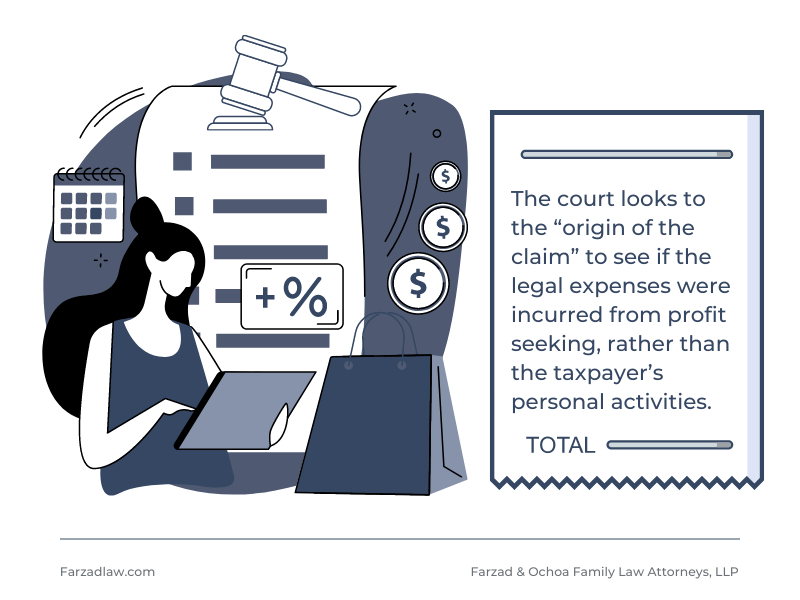
Secondly, the IRS allows deductions for legal fees that are incurred for the production or collection of income. This means that if your legal fees are directly related to earning income, such as protecting your right to alimony or child support, they may be deductible. However, fees associated with non-income-related matters, like personal or emotional aspects of the divorce, generally are not deductible.
Key Benefits and Crucial Impact
Understanding whether you can deduct legal fees for divorce can have significant implications for your financial well-being during and after the divorce process. The potential tax savings from deducting these fees can amount to substantial sums, providing much-needed relief in an already challenging time.
"Legal fees and court costs paid for the production or collection of income, or for the management, conservation, or maintenance of property held for that purpose, are deductible."
Major Advantages
- Tax Savings: By deducting qualified legal fees, you can reduce your taxable income, leading to lower tax liabilities and potential refunds.
- Financial Planning: Knowing which fees are deductible allows for better financial planning and budgeting during the divorce process.
- Incentive for Efficient Legal Services: The potential for deductions may encourage lawyers to provide more cost-effective services, focusing on income-related matters.
- Equitable Distribution: Deductibility can help ensure a more equitable distribution of financial responsibilities, especially in high-asset divorces.
- Emotional Relief: Financial relief through tax deductions can alleviate some of the emotional stress associated with divorce, allowing individuals to focus on healing and moving forward.

Comparative Analysis
| Aspect | Deductible Legal Fees | Non-Deductible Legal Fees |
|---|---|---|
| Nature of Fees | Related to income production or collection | Related to personal or emotional aspects of divorce |
| Examples | Alimony negotiations, child support litigation | Child custody battles, personal property disputes |
| Tax Treatment | Deductible from taxable income | Not deductible |
| Financial Impact | Potential tax savings, reduced legal costs | Full legal costs borne by individual |
Future Trends and Innovations
As tax laws and societal attitudes continue to evolve, the landscape of deducting legal fees for divorce is likely to change as well. Emerging trends include a greater focus on alternative dispute resolution (ADR) methods, such as mediation and collaborative divorce, which can reduce legal fees and streamline the divorce process.
Additionally, technological advancements are transforming the legal industry, with online platforms and AI-powered tools offering more accessible and cost-effective solutions for divorce proceedings. These innovations have the potential to further reduce legal fees and make the divorce process more efficient, potentially impacting deductibility in the future.

Conclusion
Navigating the financial complexities of divorce can be overwhelming, but understanding whether you can deduct legal fees for divorce can provide valuable financial relief. By differentiating between deductible and non-deductible fees and strategically planning your legal approach, you can optimize your tax situation and better manage the costs associated with divorce.
As you move forward, consult with tax professionals and legal advisors to ensure you are making informed decisions tailored to your unique circumstances. Remember, while deducting legal fees can offer financial benefits, the most important aspect is your well-being and emerging from the divorce process with a solid financial foundation.
Comprehensive FAQs
Q: What types of legal fees are typically deductible in a divorce?
A: Legal fees that are deductible in a divorce are generally those incurred for the production or collection of income, such as fees related to alimony negotiations, child support litigation, and property division when it involves income-generating assets.
Q: Can I deduct legal fees for child custody battles?
A: Legal fees solely related to child custody battles are typically not deductible. The IRS considers these fees as personal expenses rather than those incurred for the production or collection of income.
Q: How do I claim deductions for divorce-related legal fees?
A: To claim deductions for divorce-related legal fees, you must itemize your deductions on Schedule A of your federal income tax return (Form 1040). You will need to provide documentation of the fees and demonstrate that they meet the IRS criteria for deductibility.
Q: Are there any income limits for deducting legal fees in a divorce?
A: There are no specific income limits for deducting legal fees in a divorce. However, the overall amount of itemized deductions you can claim may be limited by the IRS based on your adjusted gross income (AGI). Consult with a tax professional for guidance on your specific situation.
Q: Can I deduct legal fees if I reach a settlement agreement without going to court?
A: Yes, you can potentially deduct legal fees associated with negotiating and finalizing a settlement agreement outside of court. As long as the fees meet the IRS criteria for deductibility, they can be claimed as itemized deductions on your tax return.
Leave a Comment
Comments are moderated before appearing. The data you submit is processed according to the Privacy Policy of stanford.edu.