Are Legal Fees in a Divorce Tax Deductible? Unraveling the Financial Implications
Divorce, a life-altering event, brings with it a myriad of emotional and financial challenges. As you wade through the complexities of dissolving a marriage, one crucial aspect to consider is the tax treatment of legal fees. The question "Are legal fees in a divorce tax deductible?" is a common one among individuals facing this transition. This comprehensive guide delves into the intricacies of divorce legal fees and their tax implications, offering clarity and strategic insights.
The financial ramifications of divorce extend far beyond the settlement agreement. Understanding how legal fees are treated by the tax code can significantly impact your post-divorce financial landscape. Whether you're aiming to minimize expenses or maximize deductions, this exploration will equip you with the knowledge to make informed decisions during a challenging time.
In the following sections, we will dissect the historical context, core mechanisms, benefits, and future trends surrounding the tax deductibility of divorce legal fees. By the end, you should have a comprehensive understanding of this critical financial consideration.
The Complete Overview of Are Legal Fees in a Divorce Tax Deductible?
Navigating the financial complexities of divorce involves understanding the tax treatment of various expenses, including legal fees. The Internal Revenue Service (IRS) provides guidelines on which divorce-related expenses are tax deductible, and under what circumstances. This overview will dissect the key aspects of this process.
Historical Background and Evolution
The tax treatment of divorce legal fees has evolved over time, reflecting changes in societal attitudes towards divorce and the role of women in the workforce. Historically, divorce was often a privileged affair, with legal fees considered a deductible expense for those who could afford high-priced attorneys. However, this perspective shifted as divorce rates rose and the focus turned to the economic realities faced by individuals, particularly women, post-divorce.
In the 1980s, the IRS began to scrutinize the tax deductibility of divorce legal fees more closely, aiming to ensure that deductions were fair and not overly advantageous to one party. This period saw the introduction of guidelines that required a clear connection between the legal fees and the production of income or the preservation of assets. These changes aimed to prevent abusive tax practices and ensure a more equitable distribution of financial responsibilities during divorce proceedings.
Core Mechanisms: How It Works
The tax deductibility of divorce legal fees hinges on the concept of "alimony" or "spousal support." Alimony is a payment made by one spouse to the other, either temporarily or permanently, to provide financial assistance post-divorce. The IRS considers legal fees related to the procurement or defense of alimony as tax deductible, provided they meet certain criteria.
Table of Contents
- The Complete Overview of Are Legal Fees in a Divorce Tax Deductible?
- Historical Background and Evolution
- Core Mechanisms: How It Works
- Key Benefits and Crucial Impact
- Major Advantages
- Comparative Analysis
- Future Trends and Innovations
- Conclusion
- Comprehensive FAQs
- Q: What specific legal fees related to divorce are tax deductible?
- Q: Can I deduct legal fees incurred for child support or property division?
- Q: Are there income limits for deducting divorce legal fees?
- Q: How do I prove that my legal fees are deductible?
- Q: Can I deduct legal fees retroactively if I forgot to during the initial divorce proceedings?
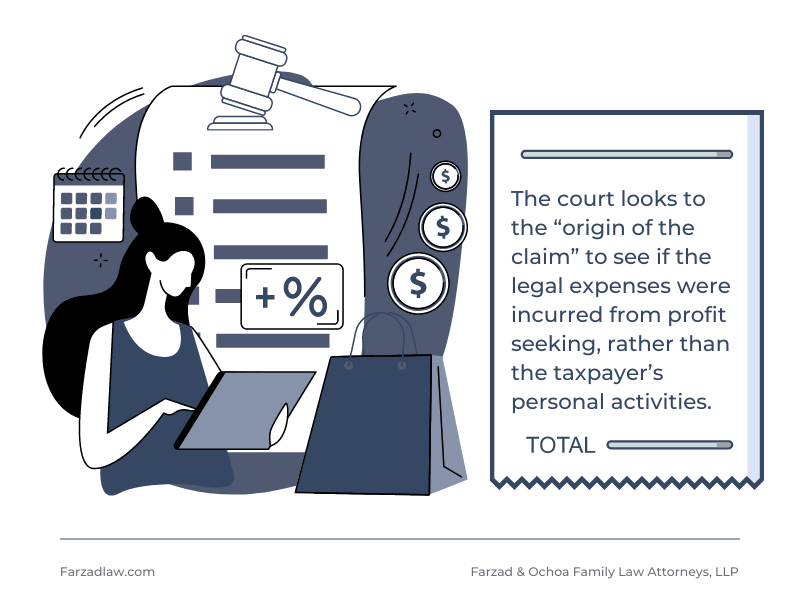
To be tax deductible, divorce legal fees must be directly associated with the negotiation, establishment, or enforcement of alimony terms. This includes fees incurred for legal representation during divorce proceedings, mediation, or appeals related to alimony. Importantly, the fees must be reasonable and incurred in good faith, with the primary purpose of facilitating the alimony determination process.
Key Benefits and Crucial Impact
Understanding the tax deductibility of divorce legal fees can have a profound impact on your financial well-being during and after the divorce process. The potential benefits extend beyond mere monetary savings, influencing strategic decision-making and long-term financial planning.
“Legal fees for the procurement or defense of alimony are generally tax deductible, provided they meet specific criteria outlined by the IRS.” - IRS Publication 504
Major Advantages
- Tax Savings: By deducting legal fees associated with alimony, you can reduce your taxable income, resulting in potential tax savings. This can provide immediate financial relief during a time of increased expenses.
- Strategic Negotiation: Awareness of tax implications can influence how you approach divorce negotiations. Understanding which legal fees are deductible can help you strategize more effectively, potentially securing better financial outcomes.
- Financial Planning: Knowing the tax treatment of legal fees allows for more accurate financial projections post-divorce. This can guide your budgeting, savings, and investment decisions as you move forward.
- Equitable Distribution: The IRS guidelines aim to ensure a more equitable distribution of financial responsibilities, particularly for individuals with limited financial resources. This can be crucial in maintaining financial stability post-divorce.
- Legal Protection: Tax deductibility of legal fees encourages individuals to seek legal representation, ensuring they are adequately protected during complex divorce proceedings.

Comparative Analysis
| Aspect | Tax Deductible Legal Fees | Non-Deductible Legal Fees |
|---|---|---|
| Purpose | Fees incurred for procurement/defense of alimony | Fees related to child support, property division, or other non-alimony matters |
| Tax Benefit | Reduced taxable income, potential tax savings | No tax deduction, expenses paid out-of-pocket |
| Strategic Value | Influences divorce negotiations, financial planning | Limited strategic impact, purely out-of-pocket expense |
| IRS Guidelines | Must be reasonable, incurred in good faith | Not subject to specific IRS guidelines for deduction |
Future Trends and Innovations
As divorce rates continue to fluctuate and societal norms evolve, the tax landscape surrounding divorce legal fees is likely to adapt as well. Several emerging trends and innovations could shape the future of tax deductibility in this area.
One notable trend is the increasing focus on alternative dispute resolution methods, such as mediation and collaborative divorce. These approaches often result in lower legal fees and can provide tax advantages, as many states offer incentives for couples who choose these less adversarial routes. Additionally, technological advancements may play a role, with online platforms and legal tech solutions potentially reducing the cost and complexity of divorce proceedings.
Furthermore, there is a growing recognition of the economic realities faced by individuals post-divorce, particularly the financial challenges faced by women and children. This could lead to policy changes that further support the tax deductibility of legal fees, especially for those with limited resources. Such changes would align with broader efforts to promote gender equity and economic fairness.

Conclusion
The question "Are legal fees in a divorce tax deductible?" is a critical one for individuals navigating the complexities of divorce. Understanding the tax treatment of legal fees can provide significant financial advantages, influence strategic decision-making, and contribute to long-term financial stability. By leveraging the benefits outlined in this guide, you can better manage the financial impact of divorce and move forward with confidence.
As you proceed through divorce proceedings, consult with tax professionals and legal experts to ensure you are making the most of available deductions while adhering to IRS guidelines. With careful planning and informed decision-making, you can minimize the financial burden of divorce and set the stage for a more secure future.
Comprehensive FAQs
Q: What specific legal fees related to divorce are tax deductible?
A: Legal fees that are directly associated with the negotiation, establishment, or enforcement of alimony (spousal support) are generally tax deductible. This includes fees for legal representation during divorce proceedings, mediation, or appeals related to alimony.
Q: Can I deduct legal fees incurred for child support or property division?
A: Legal fees related solely to child support or property division are typically not tax deductible. The IRS allows deductions for fees connected to alimony, as these are considered directly linked to the production of income or the preservation of assets.
Q: Are there income limits for deducting divorce legal fees?
A: There are no specific income limits for deducting divorce legal fees. However, the overall tax benefits will depend on your tax bracket and the amount of fees incurred. Higher-income individuals may see greater tax savings due to their marginal tax rate.
Q: How do I prove that my legal fees are deductible?
A: To claim a deduction, you must demonstrate that the legal fees were reasonable and incurred in good faith for the purpose of facilitating the alimony determination process. Keep detailed records of all legal expenses and ensure your attorney provides clear documentation outlining the nature of the services provided.
Q: Can I deduct legal fees retroactively if I forgot to during the initial divorce proceedings?
A: Retroactive deductions for legal fees are generally not allowed. It's important to consult with a tax professional during the divorce process to ensure you are taking full advantage of all available deductions. However, if you have exceptional circumstances, it may be worth discussing the possibility of amending past tax returns with a tax expert.
Leave a Comment
Comments are moderated before appearing. The data you submit is processed according to the Privacy Policy of stanford.edu.