Why Do I Feel So Unmotivated: Uncovering the Roots of Apathy
Feeling unmotivated can be a frustrating and debilitating experience, affecting every aspect of our lives from work to personal relationships. The question "Why do I feel so unmotivated?" echoes in the minds of many, seeking answers in the labyrinth of our psyche and circumstances. This article aims to provide a comprehensive exploration of the factors contributing to lack of motivation and offers insights into potential solutions.
In a world that constantly urges us to achieve more, do more, and be more, the absence of motivation can feel like a personal failure. However, understanding that demotivation is not a character flaw but a complex interplay of psychological, physiological, and environmental factors can be empowering. It shifts the focus from self-criticism to self-discovery and actionable strategies for change.
Whether you're struggling to find the drive to pursue your passions, accomplish daily tasks, or simply get out of bed, this article will guide you through the intricate landscape of motivation. We'll delve into the historical understanding of motivation, its core mechanisms, and the multifaceted impact of feeling unmotivated. By the end, you'll have a clearer understanding of why you feel so unmotivated and concrete steps to reclaim your drive.

The Complete Overview of Why Do I Feel So Unmotivated
Motivation is the driving force behind human action and behavior. It's the internal process that initiates, guides, and maintains our goal-oriented behaviors. When we feel unmotivated, it's a signal that something is amiss in this intricate system. Understanding what motivates us and what derails that motivation is crucial to addressing feelings of apathy.
Feeling unmotivated is a universal experience, transcending age, gender, and cultural boundaries. While the specific triggers may vary, the underlying causes often share common threads. These range from psychological factors like depression and anxiety to physiological conditions such as chronic fatigue or hormonal imbalances. Environmental factors, including work culture, social dynamics, and living conditions, also play a significant role.
Historical Background and Evolution
The study of motivation has captivated psychologists, philosophers, and sociologists for centuries. Early theories focused on intrinsic and extrinsic motivators. Intrinsic motivation arises from within, driven by personal satisfaction, curiosity, or the joy of achievement. Extrinsic motivation, on the other hand, stems from external rewards or pressures such as money, recognition, or avoiding punishment.
Table of Contents
- The Complete Overview of Why Do I Feel So Unmotivated
- Historical Background and Evolution
- Core Mechanisms: How It Works
- Key Benefits and Crucial Impact
- Major Advantages
- Comparative Analysis
- Future Trends and Innovations
- Conclusion
- Comprehensive FAQs
- Q: What are some common psychological causes of feeling unmotivated?
- Q: Can physiological factors contribute to lack of motivation?
- Q: How do environmental factors play a role in feeling unmotivated?
- Q: Are there any effective strategies to boost motivation quickly?
- Q: When should I seek professional help for chronic unmotivation?
Over time, the understanding of motivation has evolved to incorporate biological, cognitive, and behavioral perspectives. Modern theories emphasize the interplay between these factors, recognizing that motivation is not a one-size-fits-all concept. The dynamic nature of motivation means that what motivates us can change over time, influenced by our experiences, environment, and personal growth.
Core Mechanisms: How It Works
At its core, motivation involves several key mechanisms:
- Needs and Drives: Basic physiological and psychological needs, such as hunger, thirst, and the need for belonging, drive us to act.
- Goals and Expectations: Setting and anticipating rewards or outcomes motivates us to pursue specific goals.
- Cognitive Processes: Our thoughts, beliefs, and perceptions about ourselves and the world influence our motivation.
- Emotions and Moods: Emotional states can either enhance or hinder motivation, with positive emotions often boosting drive.
- Social Influences: The people around us, cultural norms, and societal expectations can significantly impact our motivation.
Key Benefits and Crucial Impact
Understanding why you feel unmotivated can have profound benefits, serving as a catalyst for personal growth and improved well-being. The impact of addressing demotivation ripples through various aspects of life:
"Motivation is what gets you started. Habit is what keeps you going."
Major Advantages
- Increased Productivity: Overcoming unmotivation boosts output and efficiency, both personally and professionally.
- Enhanced Well-being: Reclaiming your drive can lead to improved mental health, reduced stress, and increased life satisfaction.
- Better Goal Achievement: Motivation is key to setting and achieving personal and professional goals.
- Stronger Relationships: Feeling motivated to engage with others can deepen social connections and improve interpersonal dynamics.
- Personal Growth: Addressing the root causes of unmotivation fosters self-awareness and encourages personal development.
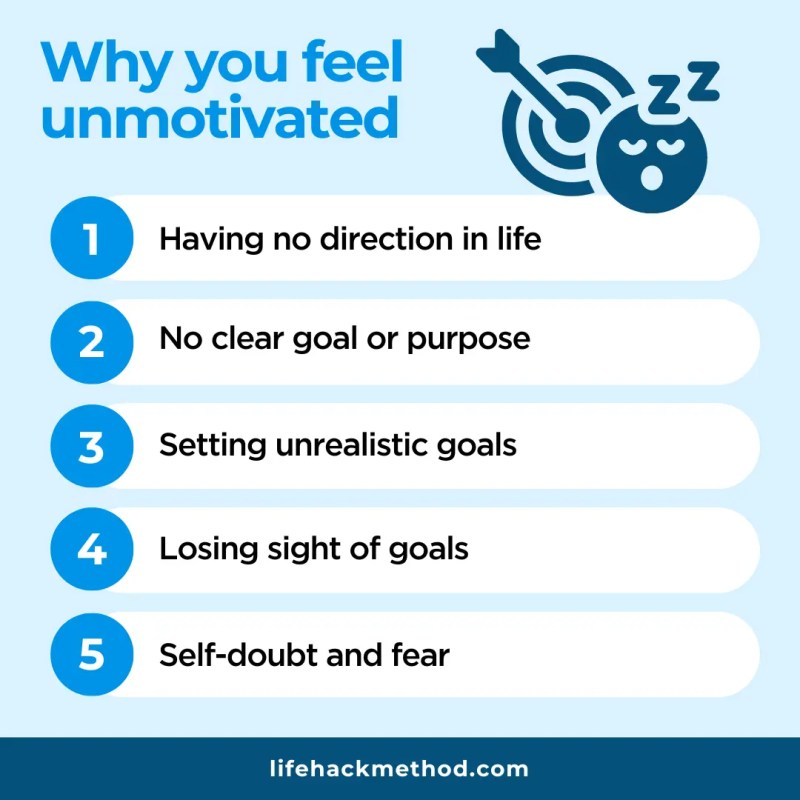
Comparative Analysis
| Factor | Motivated State | Unmotivated State |
|---|---|---|
| Productivity | High | Low |
| Mental Health | Positive, balanced | Prone to depression, anxiety |
| Goal Achievement | Likely | Unlikely |
| Social Engagement | Active | Passive or withdrawn |
Future Trends and Innovations
As our understanding of motivation deepens, new approaches and tools emerge to help individuals overcome unmotivation. Technology, particularly apps and digital platforms, offers accessible resources for goal-setting, habit-building, and mindfulness practices. Additionally, the growing field of positive psychology focuses on enhancing well-being and resilience, providing valuable insights into fostering motivation.
In the future, we can expect more personalized strategies for addressing why do I feel so unmotivated, leveraging advancements in neuroscience, psychology, and technology. These may include tailored interventions, virtual reality simulations, and biofeedback mechanisms to help individuals regulate their motivational states more effectively.

Conclusion
Feeling unmotivated is a common challenge, but it's not an insurmountable obstacle. By understanding the complex interplay of psychological, physiological, and environmental factors that contribute to demotivation, we can begin to address the root causes. The journey from apathy to drive involves self-reflection, strategic interventions, and a willingness to embrace change.
Whether you're seeking to boost your productivity, improve your mental well-being, or achieve personal goals, tackling why do I feel so unmotivated is a crucial step. Remember, motivation is not a static trait but a dynamic process that can be nurtured and cultivated. With the right tools and mindset, you can reclaim your drive and live a more fulfilling, motivated life.
Comprehensive FAQs
Q: What are some common psychological causes of feeling unmotivated?
A: Common psychological causes include depression, anxiety, lack of self-efficacy, and negative thought patterns. These can dampen enthusiasm and make it difficult to find purpose or joy in activities.
Q: Can physiological factors contribute to lack of motivation?
A: Yes, physiological factors such as chronic fatigue, hormonal imbalances, and nutritional deficiencies can significantly impact motivation. Physical health directly influences mental and emotional states.
Q: How do environmental factors play a role in feeling unmotivated?
A: Environmental factors like a toxic work culture, unsupportive social networks, or stressful living conditions can drain motivation. Our surroundings and the people in them can either inspire or hinder our drive.
Q: Are there any effective strategies to boost motivation quickly?
A: While quick fixes are temporary, some strategies can provide a short-term motivation boost. These include setting small achievable goals, rewarding yourself, engaging in physical activity, and surrounding yourself with motivated people.
Q: When should I seek professional help for chronic unmotivation?
A: If feeling unmotivated persists despite efforts to address underlying causes, it may be helpful to consult a mental health professional. They can provide personalized guidance and treat any co-occurring mental health conditions.
Leave a Comment
Comments are moderated before appearing. The data you submit is processed according to the Privacy Policy of stanford.edu.