Which Solutions in Mainframe Security Do You Believe Are Most Committed To: A Comprehensive Analysis
As the digital landscape continues to evolve, the security of mainframe systems has become a paramount concern for businesses and organizations worldwide. With vast amounts of sensitive data processed and stored on these systems, ensuring their security is not just a technical imperative but a strategic one. The question that often arises is: which solutions in mainframe security do you believe are most committed to providing robust protection?
This query is not merely academic; it reflects the urgent need for organizations to invest in security solutions that are not only effective but also adaptable to the ever-changing threat landscape. This article delves into the complete overview of mainframe security solutions, their historical evolution, core mechanisms, key benefits, comparative analysis, future trends, and concludes with a comprehensive FAQ section.
By understanding the depth and breadth of mainframe security solutions, businesses can make informed decisions to safeguard their critical operations and data. Whether you're a cybersecurity expert or a business leader, this exploration will provide valuable insights into the most committed solutions in mainframe security.
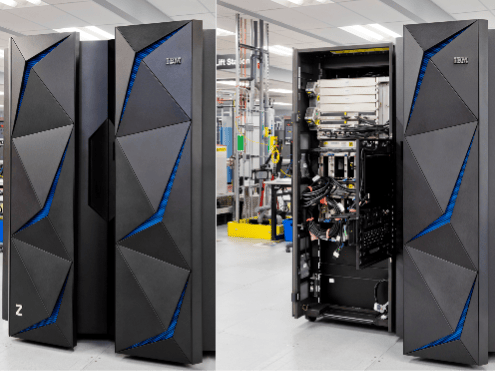
The Complete Overview of Mainframe Security Solutions
Mainframe security solutions are designed to protect the integrity, confidentiality, and availability of data and applications running on mainframe systems. These solutions encompass a wide range of technologies and strategies, from access controls and encryption to advanced threat detection and response. The primary goal is to mitigate risks associated with cyberattacks, insider threats, and compliance failures.
The most committed solutions in mainframe security are those that offer a comprehensive approach, integrating multiple layers of defense to address various threat vectors. This includes protecting against malware, unauthorized access, data breaches, and other forms of cyberattacks. Additionally, these solutions should facilitate compliance with regulatory standards such as GDPR, HIPAA, and PCI-DSS.
Historical Background and Evolution
The evolution of mainframe security solutions has been marked by a continuous arms race between attackers and defenders. In the early days, security measures were relatively basic, focusing on perimeter defenses and access controls. As cyber threats became more sophisticated, so did the security solutions. The introduction of encryption technologies, intrusion detection systems, and identity management frameworks represented significant milestones in the evolution of mainframe security.
Table of Contents
- The Complete Overview of Mainframe Security Solutions
- Historical Background and Evolution
- Core Mechanisms: How It Works
- Key Benefits and Crucial Impact
- Major Advantages
- Comparative Analysis
- Future Trends and Innovations
- Conclusion
- Comprehensive FAQs
- Q: What are the primary considerations when choosing a mainframe security solution?
- Q: How do mainframe security solutions handle data encryption?
- Q: What role does AI play in mainframe security solutions?
- Q: How can mainframe security solutions facilitate compliance with regulatory standards?
- Q: What are the challenges in implementing a mainframe security solution?
The 21st century has seen the integration of artificial intelligence and machine learning into mainframe security solutions, enabling proactive threat detection and response. Furthermore, the rise of cloud computing and the Internet of Things (IoT) has expanded the attack surface, necessitating more robust and adaptable security measures. Today, the most committed solutions in mainframe security are those that can anticipate and respond to emerging threats in real-time.
Core Mechanisms: How It Works
Mainframe security solutions operate through a combination of hardware, software, and procedural controls. At the heart of these solutions are several key mechanisms:
- Access Controls: These ensure that only authorized users can access specific resources, using methods such as authentication and authorization.
- Encryption: Data is encrypted both at rest and in transit to prevent unauthorized access and tampering.
- Intrusion Detection and Prevention Systems (IDPS): These monitor network traffic and system activities for suspicious behavior, alerting administrators to potential threats and taking proactive measures to mitigate them.
- Identity and Access Management (IAM): IAM solutions manage digital identities and their associated access permissions, ensuring that only legitimate users can access sensitive data and applications.
- Security Information and Event Management (SIEM): SIEM systems collect and analyze security-related data from across the mainframe environment, providing real-time insights into potential threats and facilitating incident response.
Key Benefits and Crucial Impact
The implementation of robust mainframe security solutions offers several key benefits that have a crucial impact on an organization's operations and reputation:
"Mainframe security solutions are not just about protecting data; they are about safeguarding an organization's operational continuity, regulatory compliance, and customer trust."
Major Advantages
- Enhanced Data Protection: By employing multiple layers of security, these solutions significantly reduce the risk of data breaches and unauthorized access.
- Compliance with Regulatory Standards: Mainframe security solutions help organizations meet stringent data protection regulations, avoiding costly fines and legal repercussions.
- Improved Operational Efficiency: Automated security processes and real-time threat detection allow IT teams to focus on strategic initiatives rather than reactive incident response.
- Reputation and Customer Trust: Robust security measures enhance an organization's reputation and foster customer trust, which is essential for long-term business success.
- Adaptability to Emerging Threats: Advanced mainframe security solutions leverage AI and machine learning to adapt to new and evolving cyber threats, ensuring continuous protection.

Comparative Analysis
| Solution | Key Features | Pros | Cons |
|---|---|---|---|
| IBM Security | Comprehensive suite of security solutions, strong focus on AI and automation | High adaptability, robust threat detection | Can be complex to implement, higher cost |
| CA Technologies | Identity and access management, compliance automation | Efficient for large enterprises, strong compliance support | Limited threat detection capabilities |
| McAfee | Endpoint protection, intrusion prevention | Strong malware protection, easy integration | May not cover all mainframe-specific security needs |
| Symantec | Data loss prevention, advanced threat protection | Comprehensive threat protection, user-friendly | Can be resource-intensive |
Future Trends and Innovations
The future of mainframe security solutions is shaped by emerging technologies and evolving threat landscapes. Key trends include:
- AI and Machine Learning: Continued advancements in AI and ML will enable more sophisticated threat detection and response capabilities.
- Zero Trust Architecture: This model, which assumes no implicit trust and continuously verifies user identity and access, is gaining traction in mainframe security.
- Quantum-Safe Encryption: With the advent of quantum computing, mainframe security solutions will need to adopt quantum-safe encryption algorithms to protect data from future threats.
- Integration with Cloud and IoT: As mainframes increasingly interface with cloud environments and IoT devices, security solutions must evolve to secure these expanded attack surfaces.

Conclusion
In the dynamic realm of cybersecurity, identifying which solutions in mainframe security do you believe are most committed to safeguarding critical data and operations is a complex but vital task. The most committed solutions offer a comprehensive suite of features, leveraging AI, machine learning, and advanced encryption technologies to provide robust protection against a wide range of threats.
As organizations navigate the digital age, investing in mainframe security solutions that can adapt to emerging threats and regulatory changes is not just a best practice; it's a necessity. By doing so, they not only protect their data and operations but also their reputation and customer trust.
Comprehensive FAQs
Q: What are the primary considerations when choosing a mainframe security solution?
A: Key considerations include the solution's ability to detect and respond to threats, compliance with regulatory standards, integration with existing IT infrastructure, scalability, and cost-effectiveness.
Q: How do mainframe security solutions handle data encryption?
A: Mainframe security solutions employ strong encryption algorithms to protect data both at rest and in transit. This includes using protocols like SSL/TLS for data in transit and AES for data at rest.
Q: What role does AI play in mainframe security solutions?
A: AI and machine learning are increasingly used in mainframe security solutions for advanced threat detection and response. These technologies enable the systems to learn from patterns and adapt to new threats in real-time.
Q: How can mainframe security solutions facilitate compliance with regulatory standards?
A: Many mainframe security solutions offer features like automated audit trails, compliance reporting, and policy enforcement to help organizations meet regulatory requirements such as GDPR, HIPAA, and PCI-DSS.
Q: What are the challenges in implementing a mainframe security solution?
A: Challenges may include the complexity of integrating new solutions with existing mainframe systems, ensuring minimal disruption to business operations during implementation, and maintaining up-to-date security measures as threats evolve.
Leave a Comment
Comments are moderated before appearing. The data you submit is processed according to the Privacy Policy of stanford.edu.