Uncovering the Intricacies: Which Conflicts Occur in This Passage (Select Three Options)?
In the realm of critical reading and textual interpretation, identifying and understanding conflicts within a passage is a cornerstone of deep analysis. The question, "Which conflicts occur in this passage (select three options)?" invites us to explore the multifaceted nature of disputes, whether they are overt or subtle, internal or external, and thematic or literal. This article aims to provide a comprehensive overview of conflict types, their historical evolution, core mechanisms, benefits, and future trends, offering a lens through which readers can dissect and comprehend complex narratives.
Conflicts, at their core, drive narratives forward, creating tension and engaging readers. They are the backbone of storytelling, reflecting the human condition and our perpetual struggle with ourselves and the world around us. By examining these conflicts, we not only enrich our understanding of the text but also gain insights into broader societal, psychological, and philosophical themes.
This exploration is particularly relevant in today's information age, where the ability to analyze and interpret texts critically is more important than ever. From academic research to media literacy, identifying conflicts helps us navigate the complexities of written communication, fostering a more nuanced and informed engagement with the written word.
The Complete Overview of Conflict Types in Literature
Conflicts in literature are as diverse as the stories themselves, each serving a unique purpose in shaping the narrative and character development. Broadly categorized into internal and external conflicts, they encompass a wide range of human experiences and struggles. Understanding these categories is crucial for answering the question, "Which conflicts occur in this passage (select three options)?"
Historical Background and Evolution
The concept of conflict in literature dates back to Aristotle's Poetics, where he identified agon, or conflict, as a key element of drama. Over centuries, literary theorists and psychologists have expanded on this idea, recognizing conflicts not only as a source of narrative tension but also as a reflection of human psychology and societal norms. The evolution of conflict types mirrors the changes in societal values, cultural contexts, and our understanding of the human mind.
For instance, medieval literature often featured conflicts centered on religious or chivalric ideals, while the Enlightenment era saw a shift towards rational and philosophical disputes. Modernist literature, in response to the horrors of World War I and II, explored internal, psychological conflicts, reflecting the disillusionment and fragmentation of the human experience. Today, conflicts in literature continue to evolve, incorporating themes of identity, technology, and global interconnectedness.
Table of Contents
- The Complete Overview of Conflict Types in Literature
- Historical Background and Evolution
- Core Mechanisms: How Conflicts Work in a Passage
- Key Benefits and Crucial Impact
- Major Advantages
- Comparative Analysis
- Future Trends and Innovations
- Conclusion
- Comprehensive FAQs
- Q: What are the primary types of conflicts in literature?
- Q: How do conflicts drive character development?
- Q: What is the significance of identifying conflicts in a passage?
- Q: How might conflicts in literature evolve in the future?
- Q: Why is understanding conflicts important for real-life conflict resolution?
Core Mechanisms: How Conflicts Work in a Passage
Conflicts operate through various mechanisms within a text, serving as catalysts for action, character growth, and thematic development. They are often revealed through dialogue, setting, character actions, and internal monologues. Understanding these mechanisms is essential for identifying and selecting the three most prominent conflicts in a passage.
Firstly, conflicts create tension, pitting characters or forces against each other, thereby generating narrative momentum. This tension can be physical, emotional, intellectual, or moral, depending on the nature of the conflict. Secondly, conflicts drive character development, forcing characters to confront their beliefs, values, and limitations. Through the resolution of conflicts, characters may undergo transformation, offering readers insights into the human condition.
Key Benefits and Crucial Impact
Identifying and analyzing conflicts within a passage offers several significant benefits, both within the context of literary study and beyond. These benefits underscore the importance of understanding conflicts in fostering critical thinking, empathy, and a deeper appreciation for the written word.
"Conflict is the essence of drama. It creates tension, drives the narrative, and reveals the depths of character."
Major Advantages
- Enhanced Comprehension: Recognizing conflicts helps readers understand the motivations and actions of characters, the development of plot, and the underlying themes of a text.
- Critical Thinking Skills: Analyzing conflicts encourages readers to question assumptions, evaluate arguments, and consider multiple perspectives, fostering critical thinking.
- Emotional Engagement: Conflicts evoke emotional responses, allowing readers to empathize with characters and engage deeply with the narrative, enhancing the reading experience.
- Thematic Exploration: Through conflicts, authors explore universal themes such as love, loss, justice, and identity, providing readers with insights into the human experience.
- Real-World Applications: Understanding literary conflicts can translate into better conflict resolution skills in real life, as readers learn to identify, analyze, and navigate disputes.

Comparative Analysis
| Conflict Type | Characteristics |
|---|---|
| Internal Conflict | Occurs within a character, involving emotional, psychological, or moral struggles. Examples include self-doubt, fear, or ethical dilemmas. |
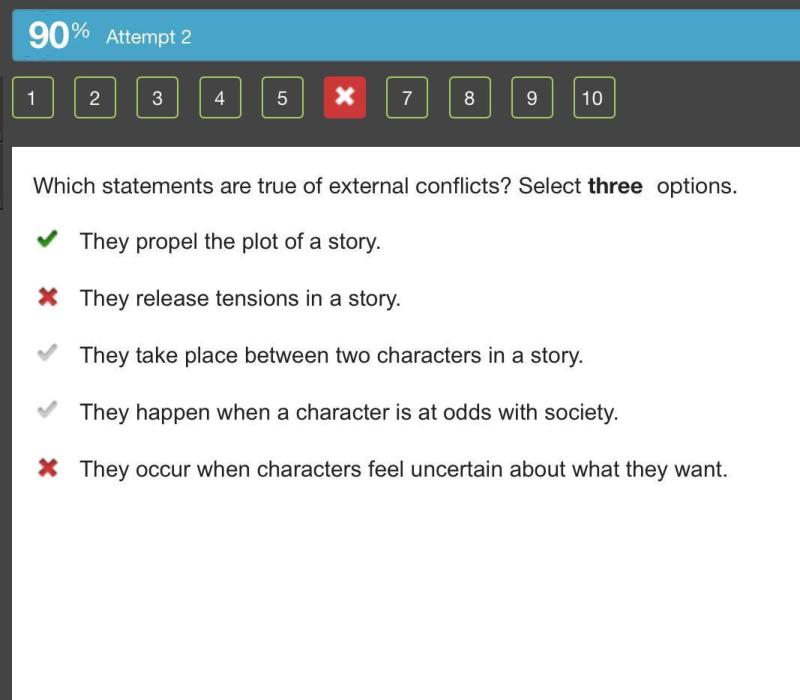
| External Conflict | Involves forces outside the character, such as other characters, nature, society, or technology. Examples include physical battles, social oppression, or natural disasters. |
| Person vs. Person | A direct confrontation between two or more characters, often over a specific issue or goal. |
| Person vs. Society | A character struggles against societal norms, laws, or institutions, highlighting social issues and injustices. |
Future Trends and Innovations
As literature continues to evolve, so too will the nature of conflicts. Emerging trends suggest a growing interest in exploring complex, multifaceted disputes that reflect contemporary concerns. These include conflicts arising from technological advancements, environmental crises, global interconnectivity, and shifting identities in a rapidly changing world.
Additionally, there is a growing emphasis on diverse voices and perspectives, leading to conflicts that challenge traditional power dynamics and norms. This shift enriches literary landscapes, offering readers a broader spectrum of human experiences and struggles. Furthermore, the integration of multimedia and interactive elements in storytelling opens new avenues for presenting and engaging with conflicts, blurring the lines between reader and narrative.

Conclusion
The question, "Which conflicts occur in this passage (select three options)?" invites readers to embark on a journey of discovery, exploring the intricate tapestry of human struggles woven into every narrative. Understanding the types, mechanisms, and impacts of conflicts not only enriches our reading experience but also equips us with valuable skills for navigating the complexities of the real world.
As we continue to engage with literature, the ability to identify and analyze conflicts remains a cornerstone of critical reading and textual interpretation. By embracing this challenge, we open ourselves to a deeper understanding of ourselves, others, and the world around us, ultimately fostering a more empathetic and insightful engagement with the written word.
Comprehensive FAQs
Q: What are the primary types of conflicts in literature?
A: The primary types of conflicts in literature include internal conflicts (such as emotional or moral struggles within a character) and external conflicts (involving forces outside the character, like other characters, nature, or society). Key categories include person vs. person, person vs. society, and person vs. self.
Q: How do conflicts drive character development?
A: Conflicts drive character development by forcing characters to confront their beliefs, values, and limitations. Through the resolution of conflicts, characters may undergo transformation, revealing their strengths, weaknesses, and growth, which offers readers insights into the human condition.
Q: What is the significance of identifying conflicts in a passage?
A: Identifying conflicts in a passage enhances comprehension, fosters critical thinking, evokes emotional engagement, facilitates thematic exploration, and improves real-world conflict resolution skills. It is a crucial aspect of deep reading and textual analysis.
Q: How might conflicts in literature evolve in the future?
A: Future conflicts in literature are expected to reflect contemporary concerns, including technological advancements, environmental crises, global interconnectivity, and shifting identities. Diverse voices and perspectives will likely challenge traditional norms, enriching the literary landscape.
Q: Why is understanding conflicts important for real-life conflict resolution?
A: Understanding literary conflicts can translate into better conflict resolution skills in real life. By analyzing how characters navigate disputes, readers learn strategies for identifying, understanding, and addressing conflicts in their own lives, fostering empathy and effective communication.
Leave a Comment
Comments are moderated before appearing. The data you submit is processed according to the Privacy Policy of stanford.edu.