Unveiling the Appalachian Mountains: A Comprehensive Exploration of Their Location and Significance
The Complete Overview of Where the Appalachian Mountains Are Located
The Appalachian Mountains, a majestic and ancient mountain range, stretch across the eastern seaboard of North America. Spanning approximately 1,500 miles, these mountains encompass diverse landscapes, from rugged peaks to rolling hills, and harbor a rich biodiversity. Understanding where the Appalachian Mountains are located is crucial for appreciating their geological significance, ecological impact, and cultural heritage.
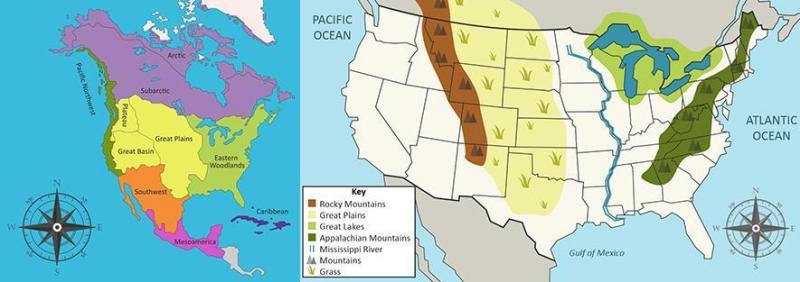
Geographically, the Appalachians extend from the Canadian province of Newfoundland and Labrador to central Alabama in the United States. They encompass portions of eight U.S. states and two Canadian provinces. This vast mountain system, divided into several subranges, forms a natural barrier in some areas and provides a diverse terrain for outdoor enthusiasts and ecologists alike.
Historical Background and Evolution
The story of the Appalachian Mountains begins hundreds of millions of years ago. During the Paleozoic era, the continents we know today were arranged very differently. What is now North America was part of a vast supercontinent called Pangaea. As Pangaea began to break apart around 200 million years ago, the forces of plate tectonics gave rise to the Appalachian Mountains.The initial formation of the Appalachians was marked by intense volcanic activity and the uplift of the Earth's crust. Over millennia, erosion and weathering shaped the mountains into their current form. Glaciation during the Pleistocene epoch further sculpted the landscape, creating the distinctive valleys and peaks we observe today. This ongoing geological process has not only defined the physical characteristics of the region but also contributed to its rich mineral resources and diverse ecosystems.
Core Mechanisms: How It Works
The Appalachian Mountains are a classic example of a passive continental margin. They were formed primarily through the process of rifting, where the Earth's crust splits apart, followed by long periods of erosion and deposition. This mechanism is in contrast to active continental margins, where tectonic activity, such as subduction or collision, continues to shape the landscape.The mountains' current structure is the result of several geological processes working in tandem. Erosion from wind, water, and ice has carved out valleys and shaped the peaks. Deposition of sediment in rivers and coastal areas has also played a significant role in shaping the region's geography. Moreover, the Appalachian Mountains are part of the larger Appalachian Basin, which includes extensive coal fields and significant deposits of natural gas and oil, highlighting the geological processes' impact on the region's natural resources.
Key Benefits and Crucial Impact
The Appalachian Mountains' location and unique characteristics bestow numerous benefits upon the surrounding regions. Their influence extends far beyond geological formations, impacting ecology, economy, and culture."The Appalachian Mountains are not just a collection of peaks and valleys; they are the backbone of eastern North America, shaping the environment, economies, and cultures of the regions they touch." - Dr. Emily Brown, Geologist
Major Advantages
- Biodiversity Hotspot: The Appalachians are home to a diverse array of plant and animal species, many of which are endemic to the region. This biodiversity is a direct result of the mountains' varied habitats, from dense forests to alpine meadows.
- Natural Resources: The mountain range is rich in natural resources, including coal, natural gas, and oil. These resources have significantly contributed to the economic development of the region.
- Recreational Opportunities: The Appalachians offer a plethora of outdoor recreational activities, including hiking, skiing, rock climbing, and camping. This attracts tourists and supports local economies.
- Water Resources: The mountains serve as a vital source of freshwater, feeding major rivers and ensuring a steady water supply for communities downstream.
- Cultural Heritage: The Appalachian Mountains have shaped the cultural identity of the region, influencing art, music, and folklore. They have also been integral to the lives and livelihoods of indigenous communities for millennia.

Comparative Analysis
| Factor | Appalachian Mountains | Rocky Mountains |
|---|---|---|
| Location | Eastern North America | Western North America |
| Formation | Passive continental margin, rifting | Active continental margin, subduction and collision |
| Age | 300-480 million years old | 55-80 million years old |
| Highest Peak | Mount Mitchell (6,684 ft) | Mount Elbert (14,440 ft) |
Future Trends and Innovations
As we look ahead, several trends and innovations are poised to shape the future of the Appalachian Mountains and their surrounding communities. Climate change is a significant factor, with potential impacts on ecosystems, water resources, and recreational opportunities. Efforts to mitigate these effects, such as conservation initiatives and sustainable land management practices, will become increasingly important.Additionally, the transition towards renewable energy sources is expected to influence the region's economy. While the Appalachians have historically been associated with fossil fuel extraction, there is growing interest in harnessing the mountains' wind and hydroelectric potential. This shift could bring new economic opportunities while reducing environmental impacts.
Table of Contents
- The Complete Overview of Where the Appalachian Mountains Are Located
- Historical Background and Evolution
- Core Mechanisms: How It Works
- Key Benefits and Crucial Impact
- Major Advantages
- Comparative Analysis
- Future Trends and Innovations
- Conclusion
- Comprehensive FAQs
- Q: What is the total length of the Appalachian Mountains?
- Q: How were the Appalachian Mountains formed?
- Q: What are some of the major subranges within the Appalachian Mountains?
- Q: Are the Appalachian Mountains still growing?
- Q: What is the highest peak in the Appalachian Mountains?

Conclusion
Understanding where the Appalachian Mountains are located is just the beginning of a fascinating journey into their geological, ecological, and cultural significance. These ancient mountains continue to shape the landscape and the lives of those who call them home. As we navigate the challenges and opportunities of the future, the Appalachian Mountains will remain a testament to the enduring power of nature and the importance of stewardship.Comprehensive FAQs
Q: What is the total length of the Appalachian Mountains?
A: The Appalachian Mountains stretch approximately 1,500 miles (2,400 kilometers) from Newfoundland in Canada to central Alabama in the United States.
Q: How were the Appalachian Mountains formed?
A: The Appalachian Mountains were formed primarily through the process of rifting as the supercontinent Pangaea broke apart, followed by long periods of erosion and weathering.
Q: What are some of the major subranges within the Appalachian Mountains?
A: The Appalachian Mountains consist of several subranges, including the Blue Ridge Mountains, the Great Smoky Mountains, the Allegheny Mountains, and the Catskill Mountains, among others.
Q: Are the Appalachian Mountains still growing?
A: While the Appalachian Mountains are no longer growing significantly due to tectonic activity, they are continually shaped by erosion and weathering. However, the mountains can experience minor uplift due to isostatic rebound, the gradual rising of land masses after the retreat of glaciers.
Q: What is the highest peak in the Appalachian Mountains?
A: The highest peak in the Appalachian Mountains is Mount Mitchell, located in North Carolina, which stands at 6,684 feet (2,037 meters) above sea level.
Leave a Comment
Comments are moderated before appearing. The data you submit is processed according to the Privacy Policy of stanford.edu.