What to Do for a Muscle Strain: Your Comprehensive Guide to Recovery

The Complete Overview of What to Do for a Muscle Strain
Muscle strains, also known as muscle pulls, are common injuries that can occur during sports, exercise, or even routine daily activities. They happen when a muscle is overstretched or torn, leading to pain, discomfort, and reduced functionality. Understanding what to do for a muscle strain is crucial for accelerating recovery, minimizing damage, and preventing future injuries. This comprehensive guide delves into the causes, symptoms, treatment, and prevention of muscle strains, empowering you with the knowledge to manage these injuries effectively.
The impact of muscle strains extends beyond physical discomfort; they can significantly affect an individual's lifestyle, performance, and overall well-being. Whether you're an athlete, a fitness enthusiast, or simply someone looking to maintain an active lifestyle, knowing how to address and prevent muscle strains is invaluable. This article aims to provide a thorough understanding of muscle strain management, drawing from scientific research and expert insights.
Historical Background and Evolution
The concept of muscle strain management has evolved significantly over the years, shaped by advancements in sports medicine and a deeper understanding of muscle physiology. Historically, the immediate response to a muscle strain often involved rest, ice, and elevation—remedies that remain fundamental today. However, the introduction of more sophisticated diagnostic tools and research into muscle healing has refined our approach to treatment and rehabilitation.In the early 20th century, the focus was primarily on rest and immobilization, often leading to prolonged recovery periods. As sports medicine developed, the importance of early movement and controlled exercise was recognized, leading to more dynamic rehabilitation protocols. The 1980s and 1990s saw the integration of physiotherapy and specialized stretching techniques, which further enhanced recovery outcomes. Today, the management of muscle strains involves a multidisciplinary approach, incorporating elements of physical therapy, sports medicine, and sometimes even innovative technologies like ultrasound and electrical stimulation.
Core Mechanisms: How Muscle Strains Occur
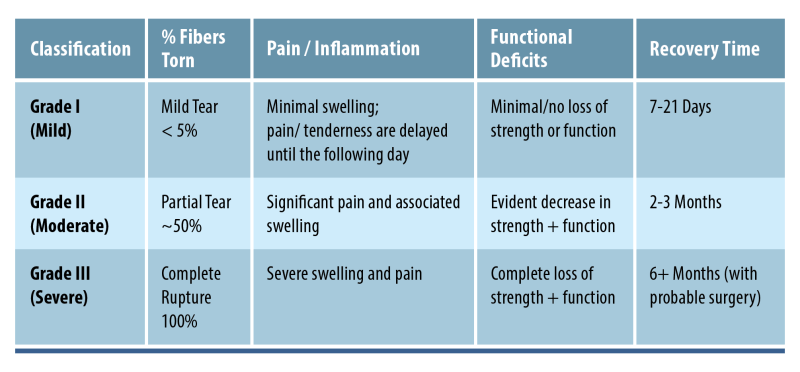
A muscle strain occurs when the force applied to a muscle exceeds its tensile strength, resulting in tearing of the muscle fibers. This can happen acutely due to a sudden, forceful movement or chronically from repetitive microtrauma. The severity of the strain can vary, ranging from mild discomfort to a complete rupture of the muscle. Understanding these mechanisms is crucial for both preventing and effectively managing muscle strains.Immediate care for a muscle strain aims to reduce bleeding and swelling within the muscle, providing conditions conducive to healing. This typically involves the RICE protocol—Rest, Ice, Compression, and Elevation. Rest helps to alleviate stress on the injured muscle, while ice, compression, and elevation work together to minimize swelling and pain. Following this initial phase, a structured rehabilitation program involving gradual stretching and strengthening exercises is essential to restore muscle function and prevent reinjury.
Key Benefits and Crucial Impact
Effective management of muscle strains offers a multitude of benefits, impacting not just physical health but also quality of life and performance. Rapid and appropriate treatment can significantly reduce recovery time, allowing individuals to return to their activities sooner. Moreover, proper care helps to minimize the risk of chronic pain and disability, which can persist if a muscle strain is left untreated or improperly managed."The key to a successful recovery from a muscle strain lies in understanding the injury, implementing immediate and appropriate care, and following a structured rehabilitation program." - Dr. Emily Thompson, Sports Medicine Specialist
Major Advantages of Proper Muscle Strain Management
- Faster Recovery: Prompt and effective treatment accelerates the healing process, reducing the time spent in pain and away from activities.
- Improved Functionality: Structured rehabilitation programs restore muscle strength, flexibility, and coordination, enhancing overall physical performance.
- Pain Management: Proper care, including the use of ice, heat, and targeted exercises, helps to alleviate pain and discomfort associated with muscle strains.
- Prevention of Complications: Early intervention and appropriate management significantly lower the risk of chronic issues, such as muscle atrophy and scar tissue formation.
- Enhanced Well-being: Successful recovery from a muscle strain contributes to a sense of accomplishment and improved mental well-being, fostering a positive outlook on physical activity.

Comparative Analysis
| Aspect | Immediate Care (RICE) | Structured Rehabilitation |
|---|---|---|
| Goal | Minimize swelling, pain, and bleeding | Restore muscle function, strength, and flexibility |
| Timeline | First 24-72 hours | Days to weeks, depending on severity |
| Methods | Rest, ice, compression, elevation | Stretching, strengthening exercises, physical therapy |
| Benefits | Reduced swelling, pain relief | Improved muscle function, reduced risk of reinjury |
Future Trends and Innovations
The field of muscle strain management continues to evolve, driven by ongoing research and technological advancements. Emerging trends include the use of advanced diagnostic tools, such as MRI and ultrasound, to precisely assess muscle injuries and guide treatment plans. Additionally, innovative therapies like platelet-rich plasma (PRP) injections and extracorporeal shockwave therapy (ESWT) are gaining attention for their potential to enhance healing and reduce recovery times.In the realm of rehabilitation, personalized exercise programs tailored to individual muscle composition and injury characteristics are becoming more prevalent. This precision approach leverages data from motion analysis and muscle strength testing to optimize recovery outcomes. Furthermore, the integration of wearable technologies and mobile health applications allows for continuous monitoring and adjustments to rehabilitation protocols, ensuring patients receive the most effective care throughout their recovery journey.
Table of Contents
- The Complete Overview of What to Do for a Muscle Strain
- Historical Background and Evolution
- Core Mechanisms: How Muscle Strains Occur
- Key Benefits and Crucial Impact
- Major Advantages of Proper Muscle Strain Management
- Comparative Analysis
- Future Trends and Innovations
- Conclusion
- Comprehensive FAQs
- Q: What are the first steps when dealing with a muscle strain?
- Q: How long should I ice a muscle strain?
- Q: When can I start exercising again after a muscle strain?
- Q: What types of stretches are best for muscle strain recovery?
- Q: How can I prevent muscle strains in the future?
Conclusion
Knowing what to do for a muscle strain is essential for anyone seeking to maintain an active lifestyle or perform at their peak. From immediate care to long-term rehabilitation, a comprehensive understanding of muscle strain management empowers individuals to take charge of their health and well-being. By following evidence-based strategies and seeking expert guidance when needed, it is possible to accelerate recovery, minimize discomfort, and prevent future injuries.Whether you're an athlete aiming to return to competition or someone looking to get back to daily activities without pain, the principles outlined in this guide provide a solid foundation for managing muscle strains effectively. Remember, each injury is unique, and consulting with healthcare professionals can ensure a personalized and safe recovery path.
Comprehensive FAQs
Q: What are the first steps when dealing with a muscle strain?
A: The immediate care for a muscle strain involves following the RICE protocol: Rest, Ice, Compression, and Elevation. Resting the injured muscle, applying ice to reduce swelling, using compression bandages, and elevating the affected area are crucial first steps.
Q: How long should I ice a muscle strain?
A: Ice should be applied for 15-20 minutes at a time, with at least 45 minutes between icing sessions. This helps control swelling and pain without damaging the skin or underlying tissues. Consistent icing during the first 24-72 hours after the injury is particularly effective.
Q: When can I start exercising again after a muscle strain?
A: The timeline for resuming exercise varies depending on the severity of the strain. Generally, it's important to wait until the acute pain and swelling have subsided. A gradual return to activity, starting with gentle stretching and progressing to strengthening exercises, is recommended. Consulting with a healthcare professional can help guide a safe and effective rehabilitation plan.
Q: What types of stretches are best for muscle strain recovery?
A: Static stretches, held for 20-30 seconds without pain, are beneficial for improving flexibility and promoting healing. Dynamic stretches, involving controlled movement through a range of motion, are also effective and can help prepare the muscle for more intense activities. It's crucial to avoid stretches that exacerbate the pain.
Q: How can I prevent muscle strains in the future?
A: Prevention involves a combination of strategies, including regular stretching and strengthening exercises, proper warm-up and cool-down routines before and after physical activities, maintaining good posture, and listening to your body's signals. Adequate rest and proper nutrition also play vital roles in keeping muscles healthy and reducing the risk of strains.
Leave a Comment
Comments are moderated before appearing. The data you submit is processed according to the Privacy Policy of stanford.edu.