Unveiling Africa's Pinnacle: What is the Tallest Mountain in Africa?

Unveiling Africa's Pinnacle: What is the Tallest Mountain in the Africa?
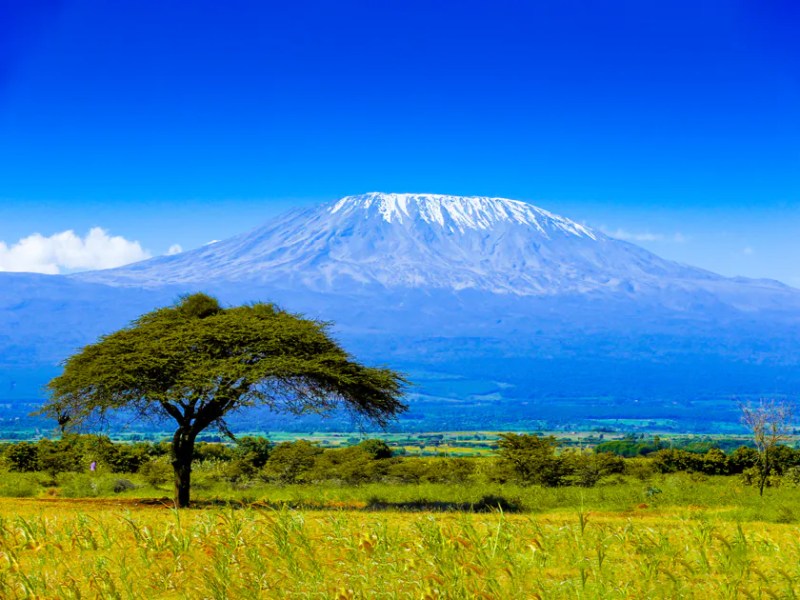
The African continent, a vast expanse of diverse landscapes and cultural riches, also boasts an impressive array of mountainous terrains. Among these, one peak stands out as the undisputed ruler of Africa's skyline: Mount Kilimanjaro. This majestic stratovolcano, towering over the plains of Tanzania, is not only the tallest mountain in Africa but also the highest free-standing mountain in the world. Its summit, reaching an awe-inspiring 5,895 meters (19,341 feet) above sea level, presents a formidable challenge to mountaineers and adventurers from around the globe.
The allure of Kilimanjaro extends beyond its statistical grandeur. The mountain is a symbol of resilience, cultural heritage, and natural beauty. Its snow-capped peak, visible from great distances, has captivated the imaginations of travelers, explorers, and locals alike for centuries. As we delve into the complete overview of this iconic landmark, we'll explore its historical significance, the mechanics of its formation, and the profound impact it has on the region and those who dare to conquer it.
For those pondering the question, "What is the tallest mountain in the Africa?", Kilimanjaro stands as the undisputed answer. Its dominance over the African landscape is not merely a matter of height but also of its unique character and the stories it holds.
The Complete Overview of Mount Kilimanjaro
Mount Kilimanjaro, located in northern Tanzania, is a dormant volcanic mountain that last erupted between 200,000 and 300,000 years ago. It is part of the Kilimanjaro National Park, a protected area established to preserve the mountain's unique ecosystems and wildlife. The mountain is comprised of three distinct volcanic cones: Kibo, the highest and central peak; Mawenzi, the second-highest peak; and Shira, the lowest and oldest cone.
Kilimanjaro's reputation as a mountaineering destination is well-deserved. The mountain attracts thousands of climbers annually, drawn to its challenge and the opportunity to witness its breathtaking landscapes. From the lush rainforests at its base to the arid, lunar-like terrain near the summit, Kilimanjaro offers a remarkable journey through diverse ecological zones. This vertical journey through climate zones is one of the mountain's most distinctive features, making it a favorite among nature enthusiasts and adventurers.
Historical Background and Evolution
The history of Mount Kilimanjaro is as fascinating as its geography. The mountain has been a landmark and a source of inspiration for centuries, playing a significant role in the cultural and spiritual lives of the local Chagga people. Their rich oral traditions are filled with stories and legends about the mountain, reflecting its importance in their society.
European exploration and mapping of Kilimanjaro began in the late 19th century. The first recorded attempt to climb the mountain was by German geologist and explorer Hans Meyer, who, along with Austrian mountaineer Ludwig Purtscheller, reached the summit of Kibo on October 5, 1889. Since then, Kilimanjaro has become a sought-after destination for mountaineers and adventurers, with various routes offering different challenges and vistas.
Core Mechanisms: How Kilimanjaro Works
Kilimanjaro's formation is a testament to the powerful forces of volcanism and erosion. The mountain is a stratovolcano, formed by layers of lava, ash, and volcanic debris. Its dramatic shape and height are the result of multiple volcanic eruptions over thousands of years. The last major eruption, which occurred between 350,000 and 200,000 years ago, shaped the current form of the mountain.
The mountain's unique ecological zones are a product of its altitude and the varying climatic conditions at different heights. As one ascends Kilimanjaro, the environment transitions from lush rainforests to temperate forests, then to alpine deserts, and finally to the Arctic-like conditions near the summit. This vertical distribution of ecosystems is a remarkable feature of the mountain and provides a living laboratory for studying the effects of altitude on biology and climate.
Table of Contents
- Unveiling Africa's Pinnacle: What is the Tallest Mountain in the Africa?
- The Complete Overview of Mount Kilimanjaro
- Historical Background and Evolution
- Core Mechanisms: How Kilimanjaro Works
- Key Benefits and Crucial Impact
- Major Advantages
- Comparative Analysis
- Future Trends and Innovations
- Conclusion
- Comprehensive FAQs
- Q: What makes Mount Kilimanjaro the tallest mountain in Africa?
- Q: How difficult is it to climb Mount Kilimanjaro?
- Q: What are the best times of year to climb Kilimanjaro?
- Q: How does Kilimanjaro's ecology change with altitude?
- Q: What is the cultural significance of Mount Kilimanjaro to the local communities?

Key Benefits and Crucial Impact
Mount Kilimanjaro's significance extends far beyond its geological and ecological wonders. The mountain plays a vital role in the regional economy, primarily through tourism. The revenue generated from mountaineering and safaris contributes significantly to Tanzania's GDP and supports local communities. The Kilimanjaro National Park is a major employer in the area, providing jobs as guides, porters, and support staff, thereby fostering economic development and empowering local populations.
"Kilimanjaro is a symbol of African resilience and natural beauty. It not only attracts adventurers from around the world but also serves as a crucial economic engine for the region."
Major Advantages
- Economic Empowerment: Kilimanjaro tourism generates substantial revenue, benefiting local communities through employment and business opportunities.
- Cultural Preservation: The mountain holds immense cultural significance for the Chagga people, and its preservation helps safeguard their heritage.
- Ecological Diversity: Kilimanjaro's varied ecosystems provide a unique environment for scientific research and nature appreciation.
- Adventure and Challenge: The mountain offers a rewarding challenge for mountaineers and adventurers, with diverse routes catering to various skill levels.
- Global Recognition: As the tallest mountain in Africa, Kilimanjaro enjoys international acclaim, drawing attention to Tanzania's natural wonders.
Comparative Analysis
| Feature | Mount Kilimanjaro | Other Notable African Peaks |
|---|---|---|
| Height | 5,895 meters (19,341 feet) | Varied; lower than Kilimanjaro |
| Geological Formation | Dormant stratovolcano | Predominantly volcanic, but also includes mountain ranges |
| Ecological Zones | Distinctive vertical zones from rainforest to Arctic | Less pronounced vertical diversity |
| Tourism Appeal | High; attracts climbers and safari enthusiasts | Moderate; popular for hiking and cultural experiences |
Future Trends and Innovations
As global interest in sustainable tourism and adventure travel continues to grow, Mount Kilimanjaro is poised to remain a prominent destination. Efforts to preserve the mountain's ecosystems and cultural heritage are intensifying, with initiatives focused on reducing the environmental impact of tourism and promoting responsible climbing practices. The use of technology, such as GPS tracking and digital mapping, is enhancing the climbing experience and safety.
Additionally, there is a growing emphasis on community engagement and economic empowerment. Local communities are increasingly involved in tourism activities, ensuring that the benefits of Kilimanjaro's allure are shared equitably. This holistic approach to mountain management is not only preserving the natural and cultural treasures of Kilimanjaro but also setting a standard for sustainable tourism in Africa.
Conclusion
In answering the query, "What is the tallest mountain in the Africa?", we have embarked on a journey through the history, geology, and cultural significance of Mount Kilimanjaro. As Africa's highest peak, Kilimanjaro stands as a testament to the continent's natural wonders and the resilience of its people. Its towering presence continues to inspire adventurers, scientists, and dreamers, ensuring its place as one of the world's most cherished and respected natural landmarks.
Kilimanjaro's story is far from over. As a symbol of African pride and a beacon for sustainable tourism, the mountain will undoubtedly continue to captivate and challenge generations to come.
Comprehensive FAQs
Q: What makes Mount Kilimanjaro the tallest mountain in Africa?
A: Kilimanjaro's status as the tallest mountain in Africa is due to its impressive height of 5,895 meters (19,341 feet) above sea level, combined with its unique character as a free-standing volcanic mountain.
Q: How difficult is it to climb Mount Kilimanjaro?
A: The difficulty of climbing Kilimanjaro varies depending on the route chosen and the climber's experience. While it is a challenging endeavor, with proper preparation, acclimatization, and guidance, many people from various fitness levels successfully summit the mountain each year.
Q: What are the best times of year to climb Kilimanjaro?
A: The best times to climb Kilimanjaro are during the dry seasons, which run from late June to October and from December to February. These periods offer more stable weather conditions, making the climb more comfortable and safer.
Q: How does Kilimanjaro's ecology change with altitude?
A: Kilimanjaro's ecology undergoes a remarkable transformation with increasing altitude. The mountain encompasses several distinct ecological zones, starting with lush rainforests at the base, transitioning to temperate forests, then to alpine deserts, and finally to an Arctic-like summit, showcasing the effects of altitude on climate and vegetation.
Q: What is the cultural significance of Mount Kilimanjaro to the local communities?
A: Kilimanjaro holds deep cultural significance for the Chagga people, who have lived on its slopes for centuries. Their oral traditions and legends are intricately tied to the mountain, which serves as a symbol of their heritage and spiritual beliefs.
Leave a Comment
Comments are moderated before appearing. The data you submit is processed according to the Privacy Policy of stanford.edu.