Uncovering Orlando: What is the Area Code of Orlando, Florida?
For those unfamiliar with the Sunshine State, the question "What is the area code of Orlando, Florida?" might seem trivial. Yet, for locals and businesses alike, area codes are far more than just numerical prefixes. They serve as geographic identifiers, cultural signifiers, and essential components of modern communication infrastructure.
Orlando, a vibrant city known for its world-renowned theme parks and thriving tourism industry, boasts a unique area code that plays a crucial role in connecting its residents and visitors. This article delves into the intricacies of Orlando's area code, exploring its historical background, functional mechanisms, and the impact it has on the city's communication landscape.
Moreover, we'll examine the benefits and future trends shaping the evolution of area codes, not just in Orlando but across the globe. By the end, you'll have a comprehensive understanding of why the question "What is the area code of Orlando, Florida?" is more significant than it might initially appear.

The Complete Overview of Orlando's Area Code
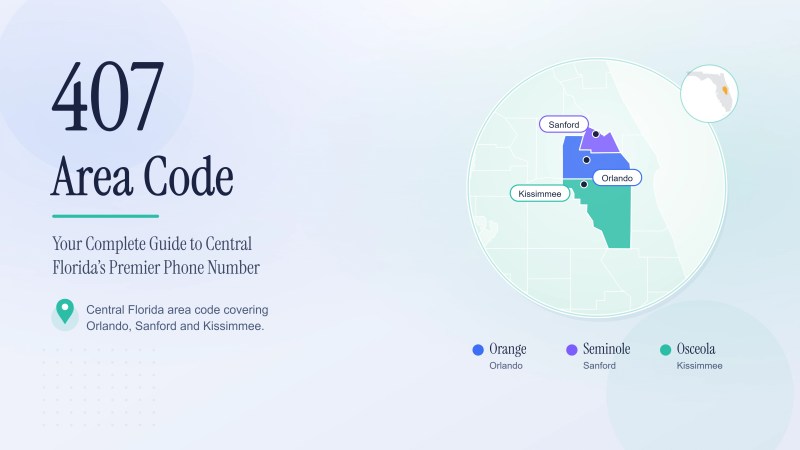
Orlando's primary area code is 407, a designation that has become intrinsically linked to the city's identity. This three-digit code is one of the original area codes established in North America in 1947, marking the beginning of the North American Numbering Plan (NANP).
Over the years, the 407 area code has undergone several changes to accommodate Orlando's growing population and the increasing demand for telephone numbers. These changes have included the introduction of overlay area codes, such as 321 and 689, which share the same geographic area but provide additional numbering resources.
Historical Background and Evolution
The story of Orlando's area code begins with the NANP, a numbering system designed to facilitate efficient telephone communication across North America. Implemented in 1947, this system divided the continent into numbering plan areas (NPAs), each assigned a unique three-digit code.
Table of Contents
- The Complete Overview of Orlando's Area Code
- Historical Background and Evolution
- Core Mechanisms: How Area Codes Work
- Key Benefits and Crucial Impact
- Major Advantages
- Comparative Analysis
- Future Trends and Innovations
- Conclusion
- Comprehensive FAQs
- Q: What is the primary area code for Orlando, Florida?
- Q: When was the 407 area code established?
- Q: Why are overlay area codes introduced?
- Q: How do area codes impact local businesses?
- Q: What future trends are expected for area codes?
Orlando, initially part of a larger numbering plan area, was assigned the 407 area code in 1996 when it was split from the 305 area code. This change reflected the city's rapid growth and the need for a distinct identity in the global telephone network.
Since then, Orlando's area code landscape has evolved to keep pace with technological advancements and the ever-increasing demand for communication services. The introduction of mobile phones, the internet, and VoIP (Voice over Internet Protocol) services has further emphasized the importance of area codes in modern communication infrastructure.
Core Mechanisms: How Area Codes Work
Area codes are more than just prefixes; they are integral components of the North American Numbering Plan, designed to streamline telephone call routing and management. When you dial a telephone number, the area code plays a crucial role in directing the call to the correct geographic location.
Each area code is associated with a specific geographic area, and calls within the same area code are typically considered local calls. Calls to different area codes are routed through the long-distance telephone network, ensuring efficient and accurate connections across vast distances.
In Orlando, the 407 area code is administered by the Florida Public Service Commission, which oversees the allocation and management of telephone numbers within the state. Overlay area codes, such as 321 and 689, are introduced to provide additional numbering resources without changing the geographic boundaries of the original area code.
Key Benefits and Crucial Impact
Area codes offer several benefits that extend beyond simple geographic identification. They play a pivotal role in fostering local identity, facilitating economic growth, and enhancing communication efficiency.
"Area codes have become integral to the fabric of modern life, serving as both functional tools and cultural symbols."
Major Advantages
- Geographic Identification: Area codes provide a unique identifier for geographic locations, enabling efficient call routing and facilitating local business operations.
- Local Identity: They contribute to a sense of place and community, with residents often proudly displaying their area code as a symbol of local pride.
- Economic Development: Area codes support business growth by simplifying communication and providing a local presence, which can be crucial for customer engagement and trust.
- Communication Efficiency: They streamline the process of placing calls, ensuring that local and long-distance calls are routed correctly and efficiently.
- Technological Adaptability: Area codes have adapted to technological advancements, enabling seamless integration with mobile phones, VoIP services, and other modern communication platforms.
Comparative Analysis
| Area Code | City/Region | Population | Overlay Codes |
|---|---|---|---|
| 407 | Orlando, FL | 2.5 million | 321, 689 |
| 305 | Miami, FL | 2.8 million | 786 |
| 415 | San Francisco, CA | 1.9 million | 628, 840 |
| 212 | New York City, NY | 8.5 million | 646, 332 |
Future Trends and Innovations
As communication technology continues to evolve, area codes are poised to adapt and integrate new innovations. The rise of mobile phones and VoIP services has already transformed how we use area codes, and further advancements are expected in the coming years.
One potential trend is the increased use of geographic-agnostic numbers, which are not tied to a specific area code. These numbers could facilitate a more flexible and dynamic communication environment, catering to the growing mobility and connectivity needs of modern society.
Additionally, the integration of area codes with emerging technologies like 5G and the Internet of Things (IoT) will likely enhance communication capabilities further. As more devices become interconnected, area codes could play a pivotal role in managing and routing an unprecedented volume of data and communication traffic.

Conclusion
The question "What is the area code of Orlando, Florida?" may seem straightforward, but it opens the door to a complex and fascinating world of communication infrastructure. Orlando's area code, like those of other cities, is more than just a numerical prefix; it is a symbol of local identity, a tool for economic development, and a crucial component of modern communication networks.
As we've explored, area codes have a rich history, functional mechanisms that underpin our daily lives, and a promising future shaped by technological advancements. Understanding the significance of area codes, such as Orlando's 407, provides valuable insights into the intricate web of connectivity that binds our world together.
Comprehensive FAQs
Q: What is the primary area code for Orlando, Florida?
A: Orlando's primary area code is 407.
Q: When was the 407 area code established?
A: The 407 area code was assigned to Orlando in 1996 when it was split from the 305 area code.
Q: Why are overlay area codes introduced?
A: Overlay area codes are introduced to provide additional numbering resources without changing the geographic boundaries of the original area code, addressing the increasing demand for telephone numbers.
Q: How do area codes impact local businesses?
A: Area codes provide a local presence for businesses, simplifying communication and fostering customer trust and engagement, which are crucial for economic growth.
Q: What future trends are expected for area codes?
A: Future trends include the potential use of geographic-agnostic numbers and increased integration with advanced technologies like 5G and IoT, allowing for more flexible and dynamic communication environments.
Leave a Comment
Comments are moderated before appearing. The data you submit is processed according to the Privacy Policy of stanford.edu.