Unraveling the Dialing Codes: What is the Area Code of Florida, USA?
Area codes are an integral part of our telecommunications infrastructure, facilitating long-distance calls and ensuring efficient routing of communications. When it comes to the sunny state of Florida, the question "What is the area code of Florida, USA?" arises, seeking a comprehensive answer that delves into the past, present, and future of these numerical identifiers.
In the ever-evolving landscape of telecommunications, area codes have become more than just numbers; they are cultural signifiers, business tools, and essential components of modern connectivity. This article aims to provide a thorough examination of Florida's area codes, their historical context, functional mechanisms, and the impact they have on both locals and visitors.
Furthermore, we will explore the benefits and challenges associated with these codes, compare them with other states, and glimpse into the future of area codes in the digital age. By the end of this journey, you will have a profound understanding of the answer to "What is the area code of Florida, USA?" and its broader implications.
The Complete Overview of Florida's Area Codes
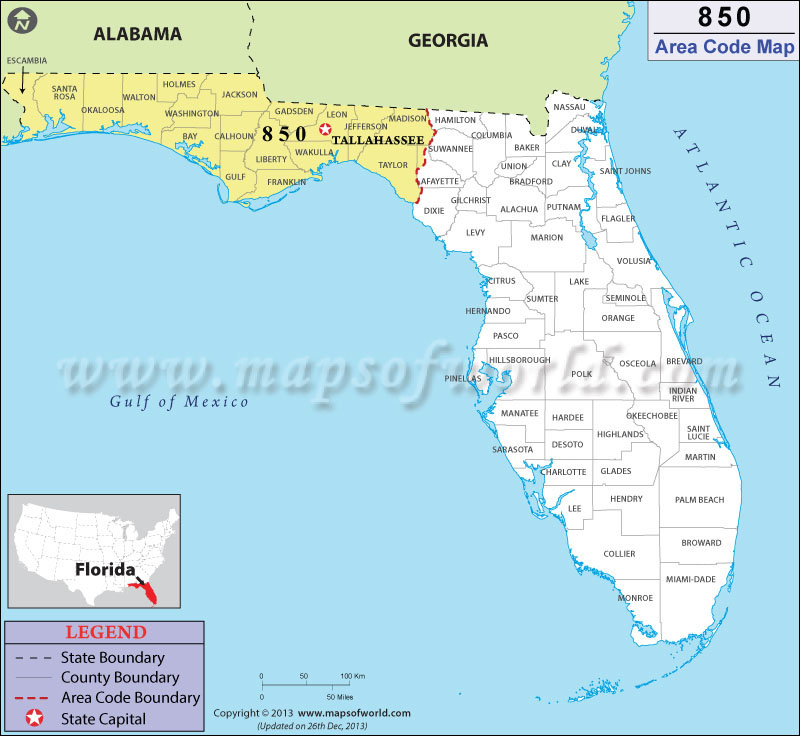
Florida, known for its vibrant culture, diverse communities, and thriving tourism industry, boasts a complex yet fascinating system of area codes. These codes, assigned to specific geographic regions, play a pivotal role in connecting people across the state and beyond.
As of the latest updates, Florida is primarily served by three area codes: 305, 407, and 786. These codes are not randomly distributed but are strategically allocated to different regions, taking into account population density, economic activity, and historical significance. Understanding the distribution and evolution of these area codes is crucial to answering the query, "What is the area code of Florida, USA?"
Historical Background and Evolution
The story of Florida's area codes begins in the 1940s when the North American Numbering Plan (NANP) was introduced. This plan, administered by the Federal Communications Commission (FCC), aimed to standardize telephone numbering across North America, including the United States, Canada, and several Caribbean islands.
Table of Contents
- The Complete Overview of Florida's Area Codes
- Historical Background and Evolution
- Core Mechanisms: How Area Codes Function
- Key Benefits and Crucial Impact
- Major Advantages
- Comparative Analysis
- Future Trends and Innovations
- Conclusion
- Comprehensive FAQs
- Q: What is the primary area code for Florida?
- Q: How are area codes assigned to specific regions in Florida?
- Q: Can I make a local call without dialing the area code in Florida?
- Q: What is the significance of area codes for businesses in Florida?
- Q: How do area codes impact emergency services in Florida?
Initially, Florida was assigned the area code 305, which covered the entire state. However, as the population grew and telecommunications advanced, the need for additional area codes became evident. In 1988, area code 407 was introduced to serve the central region of Florida, including the Orlando metropolitan area. This division ensured a more efficient management of telephone numbers and accommodated the state's rapid development.
The year 1995 brought another significant change with the introduction of area code 786. This code was implemented to serve the Miami metropolitan area, which had experienced substantial population growth and required additional telephone number capacity. The allocation of 786 was a strategic move to ensure continued growth and connectivity in one of Florida's most dynamic regions.
Core Mechanisms: How Area Codes Function
Area codes are not merely numerical labels; they are integral components of the North American Numbering Plan, designed to streamline telecommunications across a vast geographical area. When you dial a telephone number, the area code plays a crucial role in routing the call to the correct location.
Each area code is associated with a specific geographic region, and calls placed within that region typically do not require the area code to be dialed. However, for calls originating from outside the region or from mobile devices, the area code is essential for directing the call to the intended destination. This system ensures that calls are efficiently routed, minimizing congestion and improving call quality.
Key Benefits and Crucial Impact
The implementation and management of area codes in Florida have brought about several significant benefits, shaping the way residents, businesses, and visitors communicate.
Area codes provide a sense of local identity, allowing residents to connect with their community and fostering a sense of belonging. They also play a vital role in emergency services, ensuring that calls to 911 are quickly routed to the appropriate local authorities. Moreover, area codes are essential for businesses, influencing customer perception and call management strategies.
"Area codes are more than just numbers; they are geographic identifiers that shape how we communicate and perceive places."
Major Advantages
- Efficient Call Routing: Area codes enable telecommunications providers to route calls quickly and accurately, minimizing delays and improving call quality.
- Local Identity: They provide a sense of place, allowing residents and businesses to establish a local presence and connect with their community.
- Emergency Services: Area codes are crucial for emergency response systems, ensuring that 911 calls are directed to the nearest emergency services providers.
- Business Operations: Companies use area codes for call forwarding, customer service, and marketing, tailoring their strategies to specific regions.
- Tourism and Visitor Information: Area codes can assist visitors in navigating Florida's diverse regions, providing a sense of location and local contact information.

Comparative Analysis
| State | Area Codes | Number of Codes | Population Served |
|---|---|---|---|
| Florida | 305, 407, 786 | 3 | Approximately 21.5 million |
| California | 213, 310, 415, 510, 619, 626, 650, 714, 760, 805, 818, 831, 909, 916, 925, 949, 951 | 17 | Approximately 39.5 million |
| Texas | 210, 254, 281, 325, 409, 469, 512, 682, 713, 817, 832, 903, 915, 940, 956, 972 | 16 | Approximately 29 million |
| New York | 212, 315, 516, 585, 607, 631, 646, 716, 718, 845, 914, 920 | 12 | Approximately 19.5 million |
Future Trends and Innovations
As technology continues to advance and communication methods evolve, the future of area codes is an intriguing prospect. With the rise of mobile devices, internet-based communication, and unified communication systems, the traditional role of area codes may undergo significant changes.
One potential trend is the increased use of geographic-agnostic numbers, allowing businesses and individuals to choose numbers independent of their physical location. This could lead to a more fluid and flexible communication environment, particularly for remote workers and businesses operating across multiple regions. Additionally, the integration of area codes with digital communication platforms may become more prevalent, ensuring seamless connectivity between traditional and modern communication methods.

Conclusion
The question "What is the area code of Florida, USA?" may seem straightforward, but it opens a window into the intricate world of telecommunications. Florida's area codes, currently consisting of 305, 407, and 786, are not just numerical labels but essential components of the state's communication infrastructure. They have evolved over time, adapting to population growth and technological advancements, while providing numerous benefits to residents, businesses, and visitors.
As we look to the future, area codes may undergo transformations driven by technological innovations and changing communication patterns. However, their fundamental role in connecting people and places will likely remain a constant. Understanding the history, functionality, and impact of area codes is crucial for navigating the ever-evolving landscape of telecommunications and ensuring that these numerical identifiers continue to serve their intended purposes effectively.
Comprehensive FAQs
Q: What is the primary area code for Florida?
A: Florida is primarily served by three area codes: 305, 407, and 786. These codes are distributed across different regions of the state.
Q: How are area codes assigned to specific regions in Florida?
A: Area codes are assigned based on geographic boundaries, population density, and historical significance. The initial allocation of area codes in Florida was driven by the need to cover the entire state, with subsequent codes introduced to accommodate regional growth and development.
Q: Can I make a local call without dialing the area code in Florida?
A: Yes, for calls originating within the same area code, it is typically not necessary to dial the area code. Local calls can be made by dialing only the seven-digit local number.
Q: What is the significance of area codes for businesses in Florida?
A: Area codes are essential for businesses as they influence customer perception, call management, and marketing strategies. Companies often use area codes to establish a local presence, improve customer service, and tailor their offerings to specific regions.
Q: How do area codes impact emergency services in Florida?
A: Area codes play a critical role in emergency services, ensuring that 911 calls are quickly routed to the nearest local authorities. This efficient routing system is vital for prompt emergency response and public safety.
Leave a Comment
Comments are moderated before appearing. The data you submit is processed according to the Privacy Policy of stanford.edu.