Navigating Your Diet: What Foods Should I Avoid Due to Cyclospora?

The Complete Overview of Cyclospora and Dietary Restrictions
Cyclospora cayetanensis is a single-celled parasite that causes an intestinal infection known as cyclosporiasis. This condition primarily affects people living or traveling in tropical and subtropical regions, where the parasite is more prevalent. Transmission occurs through the consumption of food or water contaminated with feces containing the infectious oocysts. Understanding what foods to avoid due to cyclospora is crucial for prevention and symptom management.
The symptoms of cyclosporiasis typically appear within one week of infection and include watery diarrhea, loss of appetite, weight loss, cramping, bloating, and fatigue. In some cases, fever and vomiting may also occur. These symptoms can persist for weeks if left untreated, leading to dehydration and other complications. Therefore, knowing what foods should I avoid due to cyclospora can significantly aid in recovery and prevention.
Historical Background and Evolution
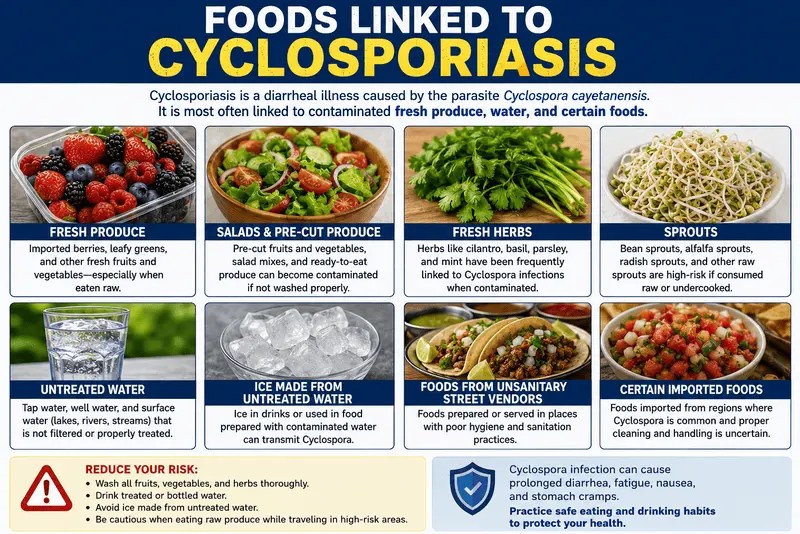
Cyclospora was first identified in 1979, but it wasn't until the 1990s that it gained recognition as a significant cause of diarrhea in travelers and immigrants from developing countries. The parasite's ability to survive and thrive in a wide range of environmental conditions has contributed to its global spread. Outbreaks have been linked to contaminated produce, such as raspberries, basil, and mesclun lettuce, highlighting the importance of understanding what foods should I avoid due to cyclospora.As global travel and trade have increased, so has the incidence of cyclosporiasis in non-endemic areas. This has prompted public health agencies to implement stricter food safety measures and guidelines for the prevention and control of cyclospora infections.
Core Mechanisms: How It Works
Cyclospora infects the small intestine, where it attaches to the intestinal wall and reproduces. The parasite's life cycle involves two stages: the infectious oocyst stage and the invasive stage. Once ingested, the oocysts hatch in the small intestine, releasing invasive stages that attach to the intestinal epithelium. After multiplying, the parasites produce new oocysts that are shed in the feces, potentially contaminating food and water sources.Understanding this life cycle is essential when considering what foods should I avoid due to cyclospora. Preventing the consumption of contaminated food and water is the primary strategy for avoiding infection.
Key Benefits and Crucial Impact of Knowing What Foods to Avoid
Knowing what foods to avoid due to cyclospora can have significant benefits for both individuals and public health. By adhering to dietary restrictions, people can reduce their risk of infection and manage symptoms more effectively. This knowledge empowers individuals to make informed decisions about their diet, especially when traveling to high-risk areas or handling food in potentially contaminated environments."Understanding what foods to avoid due to cyclospora is a proactive approach to digestive health and can significantly reduce the impact of this parasitic infection."
Major Advantages
- Prevention: Avoiding contaminated food is the most effective way to prevent cyclosporiasis.
- Symptom Management: Dietary restrictions can help alleviate symptoms and aid in recovery.
- Reduced Risk of Complications: Preventing chronic or severe infections minimizes the risk of dehydration and other complications.
- Public Health Impact: Reducing individual risk contributes to broader public health efforts in controlling cyclospora outbreaks.
- Travel Safety: Knowledge of what foods to avoid enables safer travel experiences in high-risk regions.
Comparative Analysis
| Aspect | With Dietary Restrictions | Without Dietary Restrictions |
|---|---|---|
| Risk of Infection | Significantly reduced | Higher, especially in endemic areas |
| Symptom Severity | Milder and more manageable | Potentially severe and prolonged |
| Recovery Time | Faster recovery | Prolonged recovery |
| Complication Risk | Lower risk | Higher risk of dehydration and other complications |
Future Trends and Innovations
As our understanding of cyclospora and its impact on human health continues to evolve, so too will the strategies for preventing and treating infections. Future trends may include:- Advanced Food Safety Protocols: Stricter guidelines and innovative technologies for food processing and storage to minimize contamination risks.
Table of Contents
- The Complete Overview of Cyclospora and Dietary Restrictions
- Historical Background and Evolution
- Core Mechanisms: How It Works
- Key Benefits and Crucial Impact of Knowing What Foods to Avoid
- Major Advantages
- Comparative Analysis
- Future Trends and Innovations
- Conclusion
- Comprehensive FAQs
- Q: What is cyclospora?
- Q: What are the symptoms of cyclosporiasis?
- Q: How does cyclospora spread?
- Q: What foods should I avoid due to cyclospora?
- Q: How can I prevent cyclosporiasis when traveling?

Conclusion
Knowing what foods to avoid due to cyclospora is a critical aspect of preventing and managing cyclosporiasis. By adhering to dietary restrictions, individuals can significantly reduce their risk of infection and alleviate symptoms if exposed. As global travel and trade continue to rise, understanding the role of diet in cyclospora prevention will become increasingly important for maintaining digestive health and contributing to broader public health efforts.Comprehensive FAQs
Q: What is cyclospora?
A: Cyclospora is a single-celled parasite that causes an intestinal infection known as cyclosporiasis. It is primarily transmitted through the consumption of contaminated food or water.
Q: What are the symptoms of cyclosporiasis?
A: Symptoms typically include watery diarrhea, loss of appetite, weight loss, cramping, bloating, and fatigue. Fever and vomiting may also occur.
Q: How does cyclospora spread?
A: Cyclospora spreads through the consumption of food or water contaminated with feces containing the infectious oocysts of the parasite.
Q: What foods should I avoid due to cyclospora?
A: You should avoid raw or undercooked fruits and vegetables, especially those that are difficult to wash or peel, such as raspberries, basil, and lettuce. Also, avoid unpasteurized dairy products and undercooked meat.
Q: How can I prevent cyclosporiasis when traveling?
A: When traveling in high-risk areas, avoid raw or undercooked foods, drink only bottled or boiled water, and wash your hands frequently with soap and water.
Leave a Comment
Comments are moderated before appearing. The data you submit is processed according to the Privacy Policy of stanford.edu.