Unveiling the Digital Blueprint: What Does Source Code Look Like?
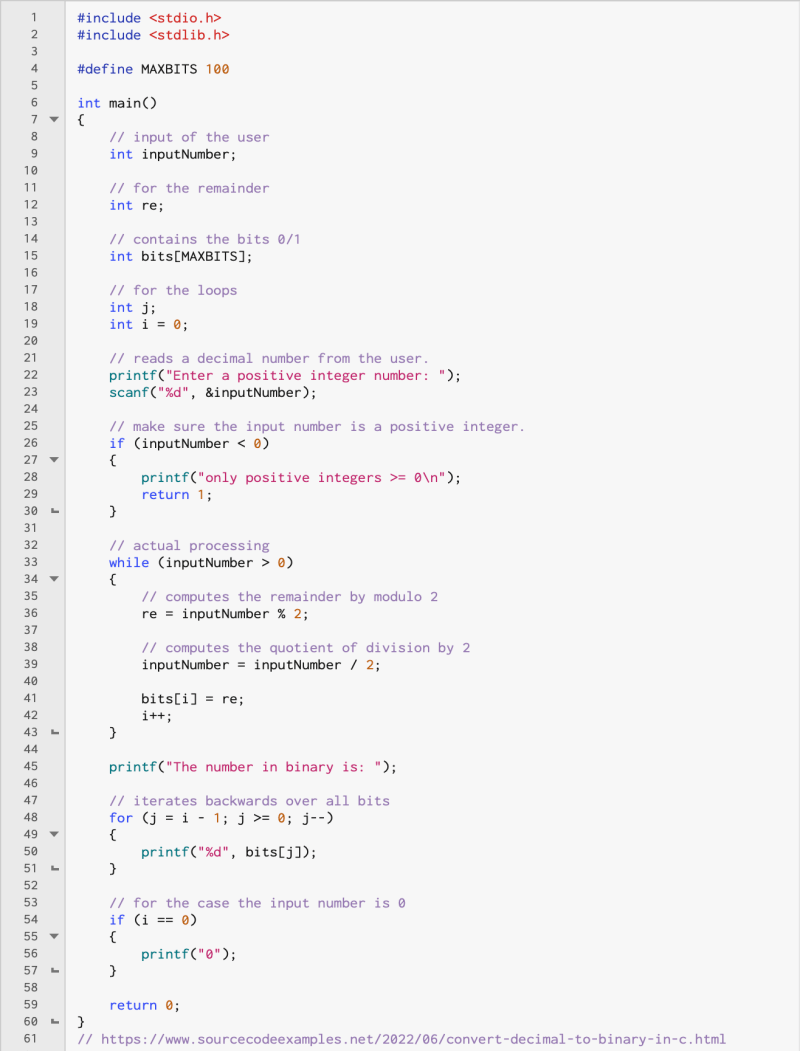
Source code is the foundation upon which our digital world is built. It is the set of instructions that programmers write to create software, websites, and mobile applications. Understanding what source code looks like is essential for anyone interested in the mechanics of technology. This article delves into the intricacies of source code, its historical evolution, core mechanisms, and its profound impact on modern life.
The appearance of source code might seem intimidating at first glance, with its precise syntax and arcane symbols. However, beneath this seemingly complex facade lies a logical structure that, once understood, opens doors to immense creative potential. From the early days of computing to the present, source code has evolved significantly, reflecting advancements in technology and programming paradigms.
In today's rapidly evolving digital age, the ability to read and write source code is a highly sought-after skill. It empowers individuals to not only consume technology but also to create and innovate. By demystifying the question "what does source code look like?", we aim to provide a comprehensive overview that caters to both novices and experienced developers.

The Complete Overview of Source Code
Source code is essentially a set of instructions written in a specific programming language that tells a computer what to do. These instructions are composed of various elements such as keywords, variables, functions, and operators. The structure and syntax of source code are governed by the rules of the chosen programming language, ensuring that the code is understandable by both humans and machines.
The appearance of source code can vary significantly depending on the programming language used. For instance, code written in Python is known for its readability and use of whitespace, while code in C++ might look more dense and complex due to its lower-level nature. Regardless of the language, source code is designed to be modular and organized, allowing developers to maintain and update their software efficiently.
Historical Background and Evolution
The concept of source code dates back to the early days of computing when programmers used binary instructions to communicate with machines. As computing technology advanced, higher-level programming languages were developed to abstract away the complexities of machine code. The first high-level language, Fortran, was introduced in the 1950s, marking a significant milestone in the evolution of source code.
Table of Contents
- The Complete Overview of Source Code
- Historical Background and Evolution
- Core Mechanisms: How It Works
- Key Benefits and Crucial Impact
- Major Advantages
- Comparative Analysis
- Future Trends and Innovations
- Conclusion
- Comprehensive FAQs
- Q: What is source code?
- Q: How does source code evolve over time?
- Q: What are the main differences between compiled and interpreted languages?
- Q: How does source code impact modern technology?
- Q: What role does AI play in the future of source code?
Since then, programming languages have diversified and evolved, giving rise to a wide array of source code styles and paradigms. Object-oriented programming (OOP), functional programming, and declarative programming are just a few examples of the approaches that have shaped the structure and appearance of source code over the years. Today, source code is not only more accessible but also more powerful, enabling developers to create sophisticated applications with relative ease.
Core Mechanisms: How It Works
At its core, source code operates through a process known as compilation or interpretation. In compiled languages like C++ or Java, the source code is first transformed into machine code by a compiler, which can then be executed by the computer. Interpreted languages, such as Python or JavaScript, use an interpreter to execute the source code directly, line by line.
The structure of source code is designed to facilitate logical thinking and problem-solving. Developers break down complex tasks into smaller, manageable functions and classes, which are then combined to create a complete program. This modular approach not only simplifies the development process but also aids in debugging and maintaining the code over time.
Key Benefits and Crucial Impact
Source code lies at the heart of modern technology, driving innovation across various sectors. Its impact is profound and far-reaching, from enabling the creation of life-saving medical devices to powering the global economy through financial applications.
"Source code is the DNA of the digital world. Just as DNA carries the instructions for life, source code carries the instructions for the software that runs our lives."
Major Advantages
- Flexibility and Customization: Source code allows for limitless customization and adaptation, enabling developers to create tailored solutions for specific needs.
- Transparency and Accountability: Open-source code promotes transparency, making it easier to identify and fix vulnerabilities, and ensuring accountability in software development.
- Community Collaboration: The availability of source code fosters a culture of collaboration, where developers from around the world can contribute to projects, enhancing their quality and functionality.
- Learning and Innovation: Access to source code serves as a powerful learning tool, allowing aspiring developers to study and understand how software is built, fostering innovation and growth in the field.
- Cost-Effectiveness: Open-source software, built on shared source code, often provides cost-effective alternatives to proprietary solutions, reducing barriers to entry for businesses and individuals.
Comparative Analysis
| Aspect | Compiled Languages (e.g., C++, Java) | Interpreted Languages (e.g., Python, JavaScript) |
|---|---|---|
| Execution Speed | Generally faster due to pre-compilation into machine code | Slower due to on-the-fly interpretation |
| Development Speed | Slower, as compilation is required after each change | Faster, with instant feedback during development |
| Portability | Requires recompilation for different platforms | Highly portable, as the interpreter handles platform differences |
| Security | Source code can be hidden, providing an additional layer of security | Open-source nature can make it easier to identify and exploit vulnerabilities |
Future Trends and Innovations
As technology continues to advance, the world of source code is poised for significant transformations. The rise of artificial intelligence (AI) and machine learning (ML) is already influencing how source code is written and optimized. AI-assisted coding tools are becoming more prevalent, helping developers write cleaner, more efficient code.
Moreover, the shift towards cloud-based development environments and collaborative coding platforms is changing the way source code is managed and shared. These trends, combined with the growing emphasis on open-source communities and ethical coding practices, suggest a future where source code becomes even more accessible and powerful, democratizing the process of software development.

Conclusion
Understanding what source code looks like is the first step towards grasping the intricacies of the digital world. From its historical roots to its modern applications, source code has evolved into a versatile and indispensable tool for creating software and driving innovation. As we move forward, the continued evolution of programming languages and development tools will further shape the landscape of source code, opening new possibilities for developers and users alike.
Whether you are a seasoned programmer or a curious beginner, appreciating the structure and purpose of source code is crucial in navigating the complexities of our increasingly digital society. By demystifying this fundamental element of technology, we hope to inspire further exploration and engagement with the fascinating world of coding.
Comprehensive FAQs
Q: What is source code?
A: Source code is the set of instructions written in a specific programming language that tells a computer what to do. It is the human-readable form of computer program code that can be compiled or interpreted into machine code to be executed by the computer.
Q: How does source code evolve over time?
A: Source code evolves through the development of new programming languages and paradigms. Object-oriented programming, functional programming, and declarative programming are examples of approaches that have shaped the structure and appearance of source code. Advancements in technology and the needs of developers also drive the evolution of source code.
Q: What are the main differences between compiled and interpreted languages?
A: Compiled languages, like C++ and Java, are transformed into machine code by a compiler before execution. This generally results in faster execution but slower development feedback. Interpreted languages, such as Python and JavaScript, are executed line by line by an interpreter, providing instant feedback during development but potentially slower runtime performance.
Q: How does source code impact modern technology?
A: Source code is the foundation of modern technology, enabling the creation of software, websites, and mobile applications that power various sectors of the global economy. Its impact is profound, driving innovation, enhancing transparency, fostering community collaboration, and reducing barriers to entry for businesses and individuals.
Q: What role does AI play in the future of source code?
A: AI is increasingly being used to assist in writing and optimizing source code. AI-powered coding tools help developers write cleaner, more efficient code, enhancing productivity. Additionally, AI is contributing to the development of more sophisticated programming languages and development environments, shaping the future of source code.
Leave a Comment
Comments are moderated before appearing. The data you submit is processed according to the Privacy Policy of stanford.edu.