Navigating Life's Tail End: An In-Depth Look at Tim Urban's Perspective
In the tapestry of human existence, the threads of life's final chapters often prompt profound reflection. Tim Urban, a renowned writer and thinker, has ventured into this complex territory with his concept of "The Tail End."
Urban's exploration goes beyond the mere acknowledgment of aging and death. He invites us to consider the unique qualities and challenges that come with being at "the tail end" of our lives—a phase where the priorities shift, perspectives evolve, and the finite nature of time becomes increasingly apparent.
This article aims to dissect and illuminate Urban's thought-provoking perspective. We will traverse the historical backdrop against which this idea emerged, unravel the intricate mechanisms that define this life stage, and analyze its profound impact on individuals and society at large.
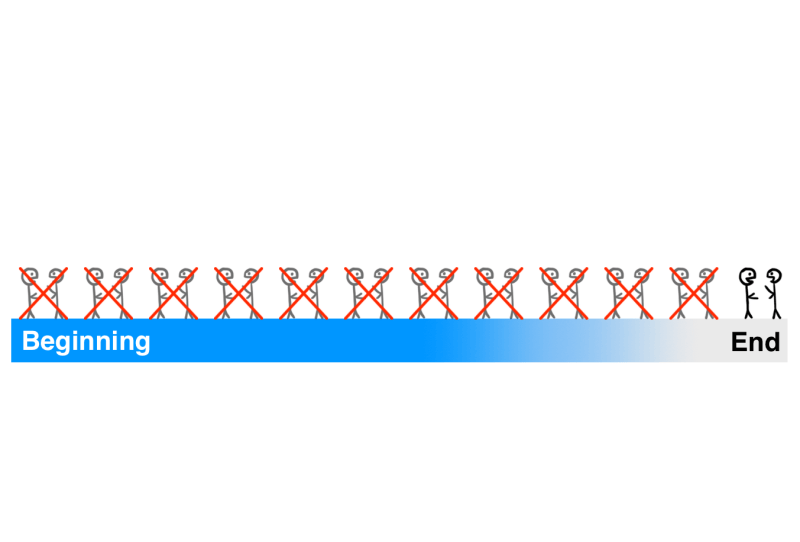
The Complete Overview of "The Tail End" by Tim Urban
Tim Urban's "The Tail End" is not merely a chronological marker but a nuanced phase of human existence characterized by a reevaluation of values, a heightened sense of mortality, and a unique opportunity for personal growth and contribution. It's a period where individuals grapple with the legacy they wish to leave behind while navigating the physical and mental changes associated with aging.
This concept challenges societal norms that often equate aging with decline. Instead, it posits that the tail end of life can be a time of profound creativity, wisdom, and contribution, provided we understand and adapt to the shifting landscape of our existence.
Historical Background and Evolution
While the exploration of aging and death is as old as human civilization itself, Tim Urban's perspective on "The Tail End" injects fresh insight into this age-old topic. Rooted in his own experiences and observations, Urban's ideas reflect a contemporary understanding of longevity, healthcare advancements, and shifting societal values.
Table of Contents
- The Complete Overview of "The Tail End" by Tim Urban
- Historical Background and Evolution
- Core Mechanisms: How "The Tail End" Works
- Key Benefits and Crucial Impact
- Major Advantages
- Comparative Analysis
- Future Trends and Innovations
- Conclusion
- Comprehensive FAQs
- Q: How does Tim Urban define "The Tail End"?
- Q: What are the key benefits of understanding "The Tail End"?
- Q: How does Urban's view of "The Tail End" differ from traditional perspectives on aging?
- Q: Can "The Tail End" be a time of creativity and innovation?
- Q: How might future advancements impact "The Tail End"?
Historically, life expectancy was significantly shorter, rendering discussions about old age less prevalent. However, with advancements in medicine and improved living conditions, humans began to live longer, giving rise to a new set of questions and challenges associated with extended lifespans. Urban's work engages with this modern context, offering a timely exploration of how we can not only extend life but also enhance its quality during the tail end.
Core Mechanisms: How "The Tail End" Works
Urban identifies several key mechanisms at play during "The Tail End." These include a shift in time perspective, where the future shortens and the past grows longer, influencing how individuals prioritize their remaining time. Additionally, physical and cognitive changes, while often viewed as setbacks, can be reframed as opportunities for adaptation and growth.
The concept also delves into the psychological impact of aging, exploring how facing one's mortality can lead to a renewed appreciation for life, prompting individuals to reevaluate their values, goals, and relationships. This introspection, Urban argues, can lead to a deeper sense of purpose and fulfillment during this life stage.
Key Benefits and Crucial Impact
Understanding "The Tail End" by Tim Urban reveals a series of profound benefits and impacts on both individuals and society.
"The Tail End is not just about dying; it's about how we choose to live once we realize that time is running out."
Major Advantages
- Enhanced Life Satisfaction: Recognizing the finiteness of life can lead to a greater appreciation for each moment, fostering gratitude and contentment.
- Reduced Fear of Death: By facing mortality head-on, individuals can develop a healthier relationship with death, reducing anxiety and allowing for a more fulfilling life.
- Increased Wisdom: The tail end of life is often marked by accumulated knowledge and experience, positioning individuals as valuable sources of wisdom for younger generations.
- Redefined Purpose: This life stage offers an opportunity to reassess priorities and pursue passions, hobbies, or charitable endeavors that bring meaning and joy.
- Stronger Relationships: Recognizing the preciousness of time can deepen connections with loved ones, fostering more meaningful and authentic relationships.

Comparative Analysis
| Aspect | Traditional View of Aging | The Tail End by Tim Urban |
|---|---|---|
| Focus | Physical decline and loss | Personal growth and contribution |
| Time Perspective | Past and present | Present and future, however shortened |
| Purpose | Preserving youth and health | Rediscovering purpose and meaning |
| Impact on Society | Burden of healthcare and social support | Source of wisdom, mentorship, and cultural enrichment |
Future Trends and Innovations
As advancements in medicine, technology, and our understanding of human biology continue, the landscape of "The Tail End" is poised to evolve significantly. Future trends may include personalized healthcare plans designed to optimize quality of life, digital tools to facilitate intergenerational knowledge sharing, and societal shifts toward embracing aging as a valuable life stage.
Innovations in biotechnology could further extend lifespans, raising new ethical and philosophical questions about the nature of "The Tail End." Urban's concept encourages us to approach these developments with a critical yet optimistic lens, emphasizing the importance of individual agency and societal support in shaping a fulfilling tail end.

Conclusion
Tim Urban's "The Tail End" offers a transformative perspective on aging, urging us to reconsider the value and potential of life's final chapters. By understanding the unique mechanisms and benefits of this stage, individuals can navigate it with purpose, wisdom, and a renewed sense of possibility.
As society continues to grapple with the implications of longer lifespans, Urban's insights serve as a beacon, guiding us toward a more compassionate, thoughtful, and fulfilling approach to aging.
Comprehensive FAQs
Q: How does Tim Urban define "The Tail End"?
A: Urban defines "The Tail End" as the unique phase of life characterized by a heightened sense of mortality, shifting priorities, and the opportunity for personal growth and legacy building.
Q: What are the key benefits of understanding "The Tail End"?
A: Key benefits include enhanced life satisfaction, reduced fear of death, increased wisdom, redefined purpose, and stronger relationships.
Q: How does Urban's view of "The Tail End" differ from traditional perspectives on aging?
A: Urban's view focuses on personal growth and contribution, while traditional perspectives often emphasize physical decline and loss.
Q: Can "The Tail End" be a time of creativity and innovation?
A: Yes, Urban argues that with the right mindset and societal support, "The Tail End" can be a time of profound creativity and innovation, fueled by accumulated wisdom and a renewed sense of purpose.
Q: How might future advancements impact "The Tail End"?
A: Future advancements in medicine and technology could significantly extend lifespans, requiring new ethical considerations and societal adaptations to ensure that "The Tail End" remains a fulfilling and valued life stage.
Leave a Comment
Comments are moderated before appearing. The data you submit is processed according to the Privacy Policy of stanford.edu.