Unveiling the Vitality: Stem Cells Morphology and the Importance of Stems in Plants
In the vast and intricate tapestry of life, stem cells hold a position of unparalleled significance. These cells, with their unique ability to self-renew and differentiate, are the building blocks of complex organisms, from humans to the most delicate flora. When we consider stem cells morphology what is the "importance" of stem in plants, we embark on a journey that unravels the very essence of plant growth, development, and survival.
The importance of stems in plants extends far beyond their visible structure. Stems, in the context of plant anatomy, are not merely the central axis that connects leaves to roots. They are dynamic, multifunctional organs that play a pivotal role in a plant's life cycle. From transporting nutrients and water to supporting leaves and flowers, stems are the backbone of a plant's architecture.
Moreover, stems house the plant's equivalent of stem cells—meristems. These specialized cells, located in regions like the apex (tip) of the stem, are responsible for the plant's growth and repair. They possess the remarkable capacity to develop into various cell types, ensuring the plant can adapt, heal, and continue to grow throughout its lifespan. Understanding the morphology of these stem cells and their functions opens a window into the intricate world of plant biology, revealing the "importance" of stems in plants' survival and evolution.
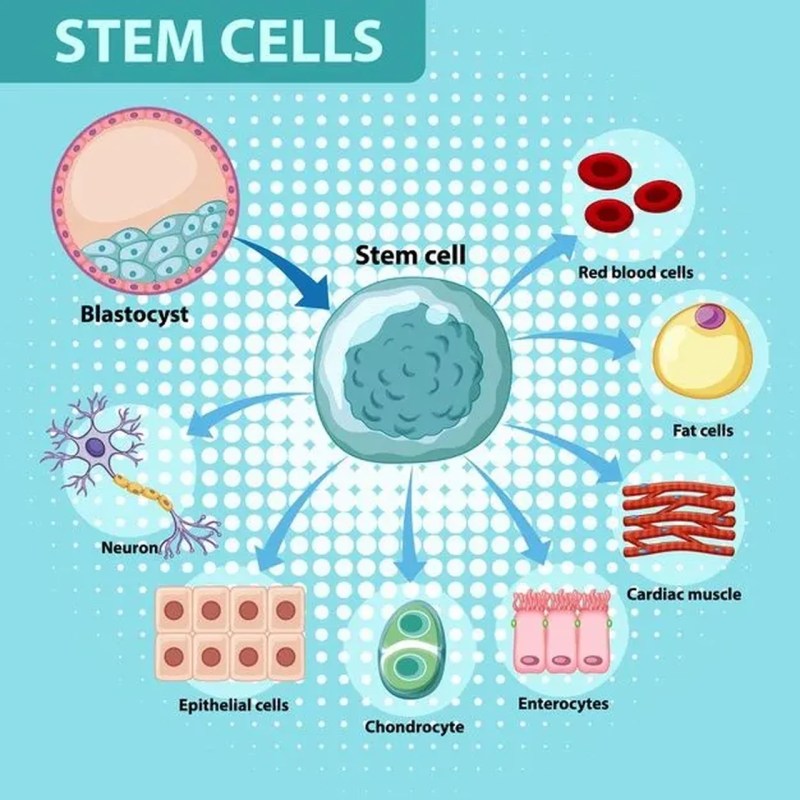
The Complete Overview of Stem Cells Morphology and the Importance of Stems in Plants
The study of stem cells morphology what is the "importance" of stem in plants is a multifaceted endeavor that intertwines plant anatomy, cellular biology, and evolutionary science. It involves examining the structure, function, and significance of stem cells within the context of plant stems. This comprehensive overview aims to dissect the intricate relationship between stem cells, plant growth, and the overall importance of stems in the plant kingdom.
At the heart of this exploration lies the concept of meristems—the plant equivalent of stem cells. Meristems are found in specific regions of the stem, such as the shoot apical meristem (SAM) at the tip, which is responsible for primary growth (lengthening of the stem), and the vascular cambium, which facilitates secondary growth (thickening of the stem). These meristems contain undifferentiated cells that can divide and differentiate into various cell types, ensuring the plant's continuous growth and development.
Historical Background and Evolution
The understanding of stem cells and their importance in plants has evolved significantly over centuries of scientific inquiry. The concept of meristems was first introduced by German botanist Wilhelm Hofmeister in the mid-19th century. Hofmeister's work on plant embryology and development laid the foundation for modern plant anatomy and our comprehension of stem cell behavior in plants.
Table of Contents
- The Complete Overview of Stem Cells Morphology and the Importance of Stems in Plants
- Historical Background and Evolution
- Core Mechanisms: How It Works
- Key Benefits and Crucial Impact
- Major Advantages
- Comparative Analysis
- Future Trends and Innovations
- Conclusion
- Comprehensive FAQs
- Q: What are meristems, and where are they found in plants?
- Q: How do plant stem cells contribute to a plant's ability to adapt to its environment?
- Q: What is the role of plant hormones in regulating stem cell activity?
- Q: Can plant stem cells be used in agricultural applications?
- Q: How do plant stem cells compare to animal stem cells in terms of function and application?
As microscopy techniques advanced, scientists could observe and describe the detailed morphology of stem cells within meristems. This led to the identification of different types of meristems and their specific roles in plant growth. The 20th century saw further advancements with the discovery of plant growth hormones, such as auxins and gibberellins, which play crucial roles in regulating stem cell activity and differentiation.
Core Mechanisms: How It Works
The functionality of stem cells in plants, as seen in stem cells morphology what is the "importance" of stem in plants, revolves around two fundamental processes: self-renewal and differentiation. Self-renewal allows stem cells to maintain their undifferentiated state, ensuring a constant supply of these versatile cells. Differentiation, on the other hand, is the process by which stem cells transform into specialized cell types, such as xylem, phloem, or epidermal cells, contributing to the plant's structure and function.
These processes are tightly regulated by a complex network of genetic and environmental factors. Plant hormones, such as auxins and cytokinins, play a critical role in controlling cell division, differentiation, and overall meristem activity. Additionally, external cues like light, temperature, and nutrient availability influence the behavior of stem cells, enabling plants to adapt to their environment and ensure their survival.
Key Benefits and Crucial Impact
The importance of stems and their resident stem cells in plants cannot be overstated. These structures are fundamental to the plant's ability to grow, reproduce, and respond to environmental challenges. The impact of stem cells morphology and function extends to various aspects of plant life, including:
"Stems, with their meristems, are the growth engines of plants. They enable plants to reach towards the sky, penetrate the earth, and adapt to changing environments." - Dr. Emily Green, Plant Biologist
Major Advantages
- Growth and Development: Stem cells in meristems drive the growth of stems, leaves, and flowers, ensuring plants can reach maturity and reproduce.
- Tissue Repair and Wound Healing: Following injury, stem cells can differentiate to replace damaged cells, aiding in the plant's recovery and survival.
- Environmental Adaptation: Stem cells allow plants to adapt to changing conditions, such as adjusting growth patterns in response to light availability or developing thicker stems in harsh environments.
- Clonal Propagation: In many plants, stem cells enable vegetative propagation, where new plants can grow from cuttings or other stem-derived tissues.
- Agricultural Applications: Understanding stem cells in plants has led to advancements in agriculture, including improved grafting techniques, tissue culture, and the development of disease-resistant crop varieties.

Comparative Analysis
| Aspect | Stem Cells in Plants | Stem Cells in Animals |
|---|---|---|
| Location | Meristems (e.g., shoot apical meristem, vascular cambium) | Various tissues (e.g., bone marrow, skin, umbilical cord blood) |
| Function | Growth, repair, adaptation, vegetative propagation | Tissue repair, immune system support, blood cell production |
| Regulation | Plant hormones (auxins, cytokinins), environmental cues | Growth factors, signaling pathways, epigenetic regulation |
| Applications | Agriculture, horticulture, plant biotechnology | Regenerative medicine, drug discovery, cancer research |
Future Trends and Innovations
The field of plant stem cell research continues to evolve, opening new avenues for innovation and application. Emerging trends include:
- Precision Agriculture: Utilizing stem cell technologies to develop tailored crop varieties with enhanced yield, disease resistance, and environmental resilience.
- Biomaterials and Bioenergy: Exploring the potential of plant stem cells for producing sustainable biomaterials and biofuels, contributing to a greener economy.
- Synthetic Biology: Engineering plant stem cells to create novel biological systems with applications in medicine, industry, and environmental remediation.
As our understanding of stem cells morphology what is the "importance" of stem in plants deepens, we unlock new possibilities for agricultural improvement, environmental conservation, and the development of innovative, plant-based solutions to global challenges.

Conclusion
The exploration of stem cells morphology and the importance of stems in plants reveals a captivating world of biological complexity and innovation. From their role in growth and development to their potential in driving future technologies, stem cells in plants are a testament to nature's ingenuity. As we continue to unravel the mysteries of plant biology, the significance of stems and their stem cells will undoubtedly inspire new discoveries and applications, shaping the future of agriculture, biotechnology, and our understanding of life itself.
Comprehensive FAQs
Q: What are meristems, and where are they found in plants?
A: Meristems are regions of actively dividing stem cells in plants. They are primarily located in the shoot apical meristem (SAM) at the tip of the stem, responsible for primary growth, and the vascular cambium, which facilitates secondary growth and thickening of the stem.
Q: How do plant stem cells contribute to a plant's ability to adapt to its environment?
A: Plant stem cells, particularly those in meristems, enable adaptation by differentiating into specialized cell types in response to environmental cues. For example, in low-light conditions, stem cells may produce more leaves to capture more sunlight. In harsh environments, they can contribute to the development of thicker, more robust stems.
Q: What is the role of plant hormones in regulating stem cell activity?
A: Plant hormones, such as auxins and cytokinins, play a crucial role in controlling stem cell division, differentiation, and overall meristem activity. Auxins promote cell division and differentiation, while cytokinins stimulate cell division and maintain the undifferentiated state of stem cells. These hormones work in tandem with environmental signals to regulate plant growth and development.
Q: Can plant stem cells be used in agricultural applications?
A: Yes, understanding plant stem cells has led to significant advancements in agriculture. Techniques like tissue culture, where plant tissues containing stem cells are cultured in vitro, allow for clonal propagation and the development of disease-resistant plant varieties. Grafting techniques also utilize stem cell properties to improve crop yield and resilience.
Q: How do plant stem cells compare to animal stem cells in terms of function and application?
A: While both plant and animal stem cells share the ability to self-renew and differentiate, their functions and applications differ. Plant stem cells are primarily involved in growth, repair, and adaptation, driving the development of entire organs. Animal stem cells, on the other hand, are crucial for tissue maintenance, repair, and immune function. The applications of plant stem cells are largely focused on agriculture and biotechnology, whereas animal stem cells have significant implications in medicine and regenerative therapies.
Leave a Comment
Comments are moderated before appearing. The data you submit is processed according to the Privacy Policy of stanford.edu.