Race is an Acronym for a Safety Rule and Means: Demystifying the Concept
In contemporary discourse, the term "race" often evokes complex discussions about identity, biology, and societal constructs. However, in a unique context, race is an acronym for a safety rule and means something entirely different. This interpretation emerges in specific industries and scenarios where safety is paramount. This article aims to dissect this lesser-known definition, tracing its origins, exploring its practical applications, and highlighting its significance.
Understanding this acronym requires a shift in perspective, moving away from societal classifications towards operational protocols. It invites us to examine how industries prioritize safety and the innovative ways they communicate critical rules. By delving into this concept, we gain insights into the intersection of language, safety culture, and operational efficiency.
Moreover, this exploration is timely, given the global emphasis on safety across various sectors. From aviation and healthcare to manufacturing and emergency services, organizations are continually seeking ways to enhance safety protocols. In this light, examining race as an acronym for a safety rule offers valuable lessons in effective safety communication and practice.
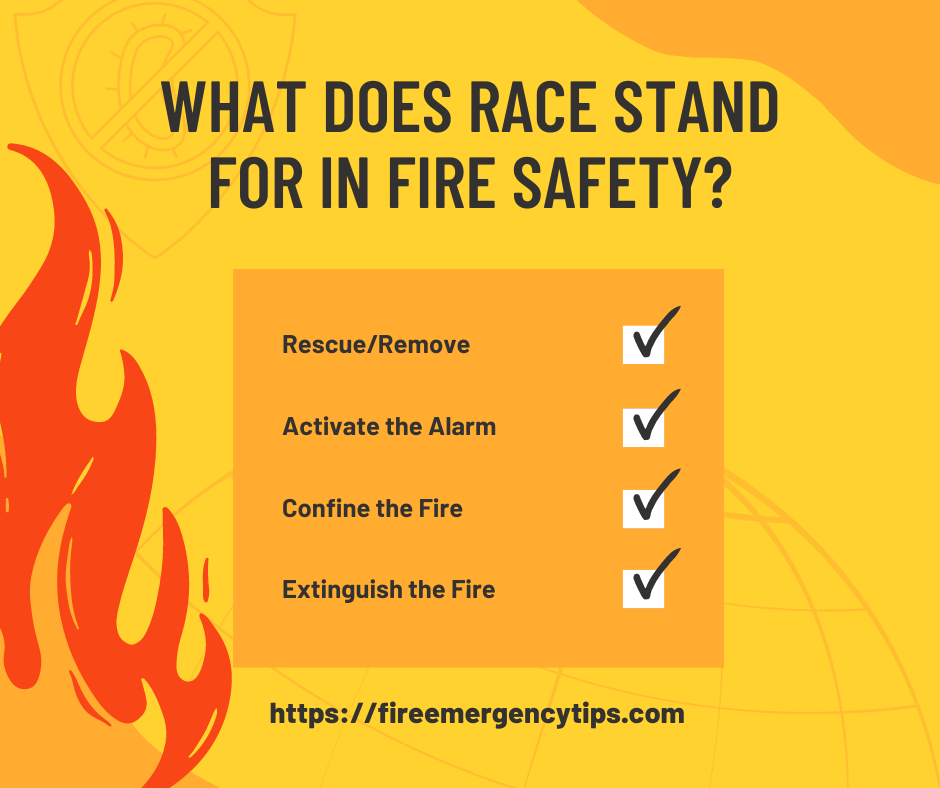
The Complete Overview of Race as a Safety Acronym
In specific operational contexts, race stands for a set of guidelines designed to ensure safety during critical procedures. This acronym serves as a mnemonic device, aiding professionals in remembering essential steps that can prevent accidents, injuries, or worse. By breaking down complex safety protocols into memorable fragments, race is an acronym for a safety rule and means a practical tool for risk mitigation.
The beauty of this acronym lies in its adaptability. Different industries tailor it to fit their unique requirements, ensuring that it remains relevant and effective. For instance, in aviation, race might refer to pre-flight checks, while in healthcare, it could outline steps for handling hazardous materials. This flexibility underscores the acronym's utility and widespread adoption.
Historical Background and Evolution
The use of race as an acronym for a safety rule likely emerged in environments where safety protocols were critical but complex. Early iterations might have been simpler, focusing on basic safety checks. Over time, as industries evolved and safety standards became more stringent, the acronym expanded to encompass a broader range of guidelines.
Table of Contents
- The Complete Overview of Race as a Safety Acronym
- Historical Background and Evolution
- Core Mechanisms: How It Works
- Key Benefits and Crucial Impact
- Major Advantages
- Comparative Analysis
- Future Trends and Innovations
- Conclusion
- Comprehensive FAQs
- Q: What does the acronym R.A.C.E. stand for in the context of safety?
- Q: How does using an acronym improve safety in the workplace?
- Q: Can the R.A.C.E. acronym be used in any industry?
- Q: What role does technology play in the future of safety acronyms like R.A.C.E.?
- Q: How can organizations implement the R.A.C.E. acronym effectively?
The aviation industry, known for its rigorous safety standards, is believed to have played a significant role in popularizing this acronym. Pilots and air traffic controllers adopted race as a memorable way to ensure that vital pre-flight and operational checks were not overlooked. This practice spread to other sectors facing similar safety challenges, each adapting the acronym to suit their specific needs.
Core Mechanisms: How It Works
The effectiveness of race as an acronym for a safety rule lies in its ability to simplify complex information. By assigning each letter of the acronym to a specific safety step, professionals can quickly recall and execute the required procedures. This is particularly crucial in high-stress situations where time is of the essence and errors can have catastrophic consequences.
Moreover, the acronym serves as a common language among team members, fostering a culture of safety and accountability. It encourages collective responsibility, ensuring that everyone involved in a procedure is aware of their roles and the broader safety protocol. This unity of purpose is vital in maintaining a safe working environment.
Key Benefits and Crucial Impact
The implementation of race as an acronym for a safety rule has yielded significant benefits across various industries. It has contributed to:
"...a culture of safety where protocols are not just followed but internalized, leading to safer working environments and improved operational efficiency."
Major Advantages
- Enhanced Memory Retention: The acronym acts as a mnemonic device, aiding in the recall of intricate safety procedures.
- Standardization: It provides a consistent framework for safety protocols, ensuring uniformity across teams and organizations.
- Risk Mitigation: By breaking down complex safety checks into manageable steps, the acronym helps prevent errors and omissions.
- Team Cohesion: It fosters a collective approach to safety, encouraging teamwork and accountability.
- Adaptability: The acronym can be customized to fit the unique requirements of different industries and procedures.

Comparative Analysis
| Industry | Acronym Usage |
|---|---|
| Aviation | Pre-flight checks, emergency procedures |
| Healthcare | Handling hazardous materials, patient safety protocols |
| Manufacturing | Machinery operation, maintenance procedures |
| Emergency Services | Response protocols, scene safety checks |
Future Trends and Innovations
As industries continue to prioritize safety, the use of race as an acronym for a safety rule is poised to evolve. Advancements in technology, such as augmented reality (AR) and artificial intelligence (AI), offer new avenues for integrating this acronym into safety training and operational procedures.
AR can provide interactive, real-time guidance based on the race acronym, enhancing learning and retention. AI algorithms can analyze data from various sources to refine safety protocols, making the acronym even more effective and tailored to specific risks. Additionally, as global safety standards harmonize, we may see a more unified application of this acronym across industries.

Conclusion
Race is an acronym for a safety rule and means a powerful tool in the arsenal of safety professionals across diverse industries. Its ability to simplify complex safety protocols, foster teamwork, and mitigate risks makes it an invaluable concept. As we look to the future, the evolution of this acronym alongside technological advancements promises even greater enhancements to safety culture and operational efficiency.
By understanding and adopting this innovative approach to safety communication, organizations can create safer, more resilient working environments. The journey of race as an acronym for a safety rule serves as a testament to human ingenuity in the pursuit of safety and operational excellence.
Comprehensive FAQs
Q: What does the acronym R.A.C.E. stand for in the context of safety?
A: The exact expansion of the acronym varies by industry, but generally, it represents a set of safety rules or steps to be followed in a specific procedure.
Q: How does using an acronym improve safety in the workplace?
A: Acronyms like R.A.C.E. enhance safety by simplifying complex procedures, aiding memory retention, and promoting a culture of accountability and teamwork.
Q: Can the R.A.C.E. acronym be used in any industry?
A: Absolutely. While it originated in sectors like aviation, the flexibility of the acronym allows it to be adapted for use in virtually any industry with safety protocols.
Q: What role does technology play in the future of safety acronyms like R.A.C.E.?
A: Technology, particularly AR and AI, can revolutionize the application of these acronyms by providing interactive training, real-time guidance, and data-driven protocol refinements.
Q: How can organizations implement the R.A.C.E. acronym effectively?
A: Organizations should tailor the acronym to their specific safety needs, integrate it into training programs, and encourage its consistent use among all levels of staff.
Leave a Comment
Comments are moderated before appearing. The data you submit is processed according to the Privacy Policy of stanford.edu.