Unveiling the Dynamics: Quadra de Volei e Posies dos Jogadores
Volleyball, a sport that captivates with its blend of strategy, athleticism, and teamwork, relies heavily on the precise positioning of players on the court. The "quadra de volei e posies dos jogadores" – the volleyball court and player positions – form the very foundation upon which successful teams are built. This in-depth exploration delves into the intricacies of court layouts, player roles, and the evolution of strategies that have shaped modern volleyball.
Understanding the dynamics of the volleyball court and player positions is crucial for both seasoned enthusiasts and newcomers alike. It reveals how teams orchestrate attacks, construct defenses, and create the fluid, fast-paced action that defines the sport. As we navigate through the historical evolution, core mechanisms, and impactful benefits of these positions, we'll also peer into the future, anticipating innovations that will undoubtedly shape the game further.
Whether you're a player looking to refine your understanding of on-court roles or a passionate fan eager to appreciate the game's tactical depth, this comprehensive overview of the "quadra de volei e posies dos jogadores" promises to offer invaluable insights.

The Complete Overview of Quadra de Volei e Posies dos Jogadores
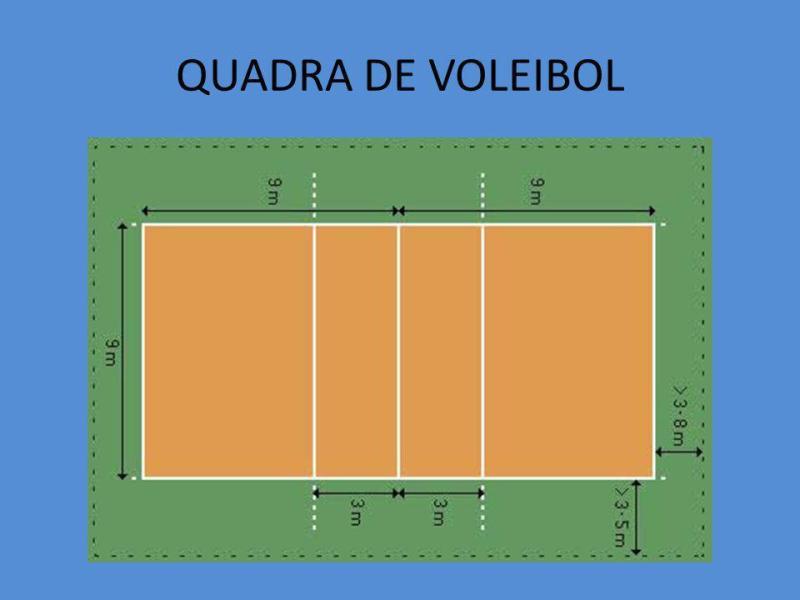
The volleyball court, a 18-meter by 9-meter rectangular arena, is divided into equal halves by a net standing 2.43 meters high for men and 2.24 meters for women. Within this seemingly simple setup lies a complex web of strategic positioning, where each player's role is meticulously defined to maximize team performance. The "quadra de volei e posies dos jogadores" is not just a court; it's a canvas upon which volleyball's tactical masterpiece is painted.
Player positions in volleyball have evolved significantly since the sport's inception in 1895. From the initial simple formations to the highly specialized roles of today, the game's strategic depth has grown exponentially. Modern volleyball teams typically employ a 6-player lineup, each specializing in specific skills and occupying strategic positions on the court.
Historical Background and Evolution
In the early days of volleyball, positions were relatively basic, with players often rotating through tasks depending on the game's flow. The introduction of the six-player team and rotational rules in the mid-20th century paved the way for more sophisticated strategies. The 1950s and 1960s saw the emergence of specialized roles like setters and liberos, marking a significant shift towards tactical refinement.
Table of Contents
- The Complete Overview of Quadra de Volei e Posies dos Jogadores
- Historical Background and Evolution
- Core Mechanisms: How It Works
- Key Benefits and Crucial Impact
- Major Advantages
- Comparative Analysis
- Future Trends and Innovations
- Conclusion
- Comprehensive FAQs
- Q: What is the significance of specialized roles in modern volleyball?
- Q: How does rotation affect player positioning on the court?
- Q: What role does communication play in the success of a volleyball team?
- Q: How have technological advancements impacted volleyball court positioning?
- Q: What can we expect from the future of volleyball in terms of court positioning and player roles?
The evolution of the "quadra de volei e posies dos jogadores" reached a milestone with the adoption of the rally point system and further rule refinements in the 1990s. These changes encouraged faster-paced, more dynamic gameplay, pushing the importance of precise positioning and player roles to new heights. Today, technological advancements in sports analytics further enhance our understanding of optimal court positioning, continually shaping the strategies employed at the highest levels of the game.
Core Mechanisms: How It Works
The effectiveness of the "quadra de volei e posies dos jogadores" hinges on several key mechanisms:
- Specialization: Each player is assigned a primary role (e.g., setter, outside hitter, middle blocker) based on their skills, ensuring a balanced team dynamic.
- Rotation: Players rotate positions after each serve, maintaining a consistent court setup while allowing individuals to rest and prepare for their next role.
- Communication: Effective communication between players is vital for coordinating attacks, defenses, and in-game strategies.
- Court Awareness: Players must have a keen understanding of the court and their teammates' positions to make split-second decisions during gameplay.
Key Benefits and Crucial Impact
The strategic positioning of players on the volleyball court offers a multitude of benefits that significantly impact game outcomes:
"The beauty of volleyball lies in the seamless interplay between individual skill and team strategy. The court positioning is the blueprint that turns talent into triumph." – Dr. Sarah Johnson, Sports Strategist
Major Advantages
- Optimized Attacking: Strategic positioning allows teams to create more effective offensive plays, exploiting opponents' weaknesses.
- Enhanced Defense: Proper court coverage helps teams anticipate and counter attacks, reducing the likelihood of errors.
- Improved Communication: Defined roles and positions facilitate better teamwork and communication, crucial for in-game adjustments.
- Player Development: Specialization in specific roles enables players to hone their skills, contributing to individual and team growth.
- Tactical Flexibility: Teams can adapt their formations and strategies based on opponents, in-game situations, and player strengths.

Comparative Analysis
| Aspect | Traditional Formation | Modern Formation |
|---|---|---|
| Player Roles | Less specialized, players rotate through tasks | Highly specialized roles (setter, hitter, libero, etc.) |
| Court Positioning | Basic, symmetrical formations | Dynamic, strategic positioning based on team strengths and opponent weaknesses |
| Gameplay Style | Slower, more methodical | Fast-paced, high-intensity |
| Strategic Depth | Limited, with fewer tactical options | Deep, with complex strategies and in-game adjustments |
Future Trends and Innovations
As volleyball continues to evolve, several trends and innovations are poised to shape the future of the "quadra de volei e posies dos jogadores":
- Data-Driven Strategies: Advanced analytics and wearable technology will provide coaches and players with unprecedented insights into performance, influencing court positioning and tactical decisions.
- Dynamic Formations: Teams will experiment with fluid, adaptable formations that can quickly adjust to in-game situations and opponent strategies.
- Enhanced Training Methods: Virtual reality and augmented reality simulations will revolutionize player training, allowing them to practice specific scenarios and refine their court positioning skills.
Conclusion
The "quadra de volei e posies dos jogadores" is more than just a volleyball court and player positions; it's the strategic heart of the sport. From its historical evolution to the cutting-edge innovations on the horizon, understanding the dynamics of court positioning and player roles enriches our appreciation of volleyball's tactical brilliance. As the game continues to evolve, one truth remains constant: success on the volleyball court begins with the seamless interplay of strategy and skill, orchestrated within the carefully crafted framework of the "quadra de volei e posies dos jogadores."
Comprehensive FAQs
Q: What is the significance of specialized roles in modern volleyball?
A: Specialized roles allow teams to maximize their strengths and minimize weaknesses. Each player focuses on their primary skill set, leading to more effective attacks, stronger defenses, and improved overall performance.
Q: How does rotation affect player positioning on the court?
A: Rotation ensures that players return to the same relative position on the court after each serve. This consistency allows teams to maintain a balanced formation while providing players with regular rest periods.
Q: What role does communication play in the success of a volleyball team?
A: Communication is vital for coordinating attacks, defenses, and in-game strategies. Effective communication helps players anticipate their teammates' moves, react quickly to opponent actions, and make critical decisions under pressure.
Q: How have technological advancements impacted volleyball court positioning?
A: Advancements in sports analytics and wearable technology provide coaches and players with valuable data on performance and movement. This data informs strategic decisions, helping teams optimize their court positioning and tactics.
Q: What can we expect from the future of volleyball in terms of court positioning and player roles?
A: The future likely holds more dynamic formations, data-driven strategies, and innovative training methods. As technology advances, teams will increasingly rely on analytics to refine their court positioning and adapt to opponents in real-time.
Leave a Comment
Comments are moderated before appearing. The data you submit is processed according to the Privacy Policy of stanford.edu.