Navigating the Depths: Understanding On the System or In the System
In the intricate tapestry of modern operations, the distinction between "on the system" and "in the system" is nuanced yet pivotal. It delineates not merely physical placement but also functional integration and data management. This article aims to dissect these phrases, tracing their historical context, core mechanisms, and profound impacts.
As we navigate the digital age, understanding how components operate "on the system" versus being truly "in the system" is crucial. The former implies a superficial interaction, while the latter denotes deep integration, influencing efficiency, data flow, and overall system dynamics.
Whether in technological architectures, operational workflows, or strategic planning, grasping this distinction can redefine how we approach system design, optimization, and future innovations.

The Complete Overview of "On the System or In the System"
"On the system" refers to components or processes that interact with a system externally, using its functionalities without being inherently part of its core architecture. Conversely, "in the system" components are deeply integrated, functioning as intrinsic parts that influence the system's overall behavior and capabilities.
Historical Background and Evolution
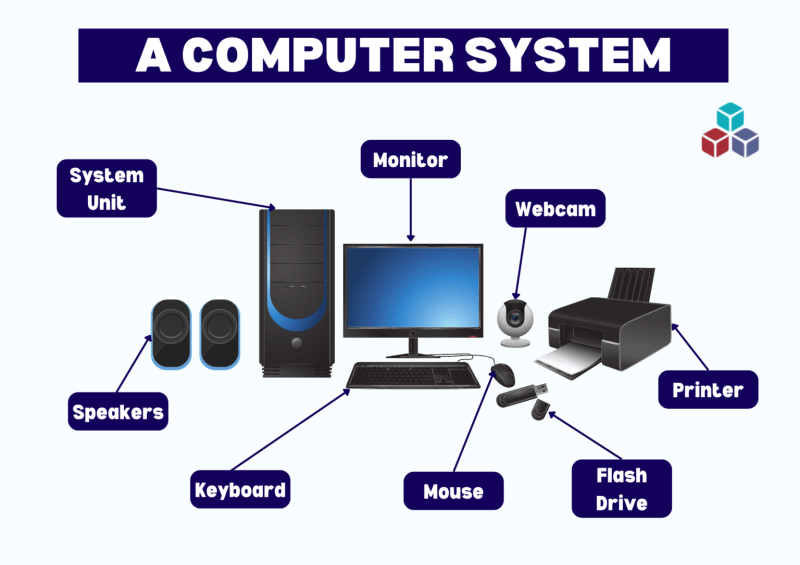
The evolution of these concepts parallels the progression of technology itself. Early computing systems were largely self-contained, with external peripherals considered separate entities "on the system." As networking and interconnectivity advanced, the distinction blurred. The advent of the internet and cloud computing further complicated this divide, with data and processes distributed across various locations, some "on" and others truly "in" the system.
Today, the rise of IoT (Internet of Things), AI, and machine learning has redefined these terms. Components that were once merely "on" the system now integrate more deeply, becoming "in" the system as they contribute to its learning, decision-making, and adaptive capabilities.
Table of Contents
- The Complete Overview of "On the System or In the System"
- Historical Background and Evolution
- Core Mechanisms: How It Works
- Key Benefits and Crucial Impact
- Major Advantages
- Comparative Analysis
- Future Trends and Innovations
- Conclusion
- Comprehensive FAQs
- Q: What exactly does "on the system" mean?
- Q: How does "in the system" differ from "on the system"?
- Q: What are the key benefits of having components "in the system"?
- Q: How will future technologies impact the distinction between "on" and "in the system"?
- Q: Why is understanding this distinction important for organizations?
Core Mechanisms: How It Works
Mechanisms differentiating "on the system" from "in the system" lie in data flow, control, and integration. "On the system" components typically send and receive data, but their operation is largely independent of the system's core processes. They may utilize APIs or other interfaces for communication but lack the deep integration required to influence system-level behavior.
"In the system" components, however, are designed for seamless integration. They share data directly with the core, often contributing to system-wide decision-making and adaptation. This level of integration requires sophisticated protocols and architectures to ensure data consistency, security, and efficient operation.
Key Benefits and Crucial Impact
The difference between "on the system" and "in the system" is not merely semantic; it underpins critical operational and strategic benefits. Organizations that master this distinction can achieve:
"A harmonious blend of 'on' and 'in' the system components can unlock unprecedented levels of operational efficiency, innovation, and adaptability."
Major Advantages
- Enhanced Efficiency: Deep integration ("in the system") enables streamlined data flow and coordinated decision-making, reducing latency and operational silos.
- Improved Adaptability: Components "in the system" can contribute to collective learning and adaptive behaviors, enhancing the system's ability to respond to changing conditions.
- Advanced Analytics: Access to comprehensive, real-time data from "in the system" components facilitates sophisticated analytics and predictive modeling.
- Innovation Catalyst: Seamless integration fosters an environment conducive to innovation, enabling rapid prototyping and iterative development.
- Scalability and Flexibility: Well-designed "in the system" architectures can scale more effectively, accommodating new components and functionalities with minimal disruption.

Comparative Analysis
| Aspect | On the System | In the System |
|---|---|---|
| Data Integration | Limited, often through APIs | Seamless, real-time sharing |
| Control and Influence | External, does not impact system-level decisions | Intrinsic, contributes to collective decision-making |
| Operational Efficiency | Moderate, prone to latency | High, streamlined processes |
| Adaptability | Low, less responsive to changes | High, enables collective learning |
Future Trends and Innovations
As technology continues to evolve, the distinction between "on the system" and "in the system" will become increasingly critical. Emerging trends such as edge computing, decentralized networks, and advanced AI will further blur the lines, demanding innovative architectures and integration strategies.
We can expect to see more sophisticated "in the system" components, leveraging real-time data and advanced analytics to drive autonomous decision-making. Simultaneously, the development of standardized interfaces and protocols will facilitate seamless integration, enabling organizations to harness the full potential of their technological investments.
Conclusion
Understanding the nuances of "on the system" versus "in the system" is essential for navigating the complex landscape of modern technology and operations. By leveraging deep integration and seamless data flow, organizations can unlock significant benefits in efficiency, adaptability, and innovation.
As we look to the future, mastering this distinction will be key to staying ahead in an increasingly interconnected and dynamic world.
Comprehensive FAQs
Q: What exactly does "on the system" mean?
A: "On the system" refers to components or processes that interact with a system externally, using its functionalities without being part of its core architecture. They may use APIs or other interfaces but lack deep integration.
Q: How does "in the system" differ from "on the system"?
A: "In the system" components are deeply integrated, functioning as intrinsic parts that influence the system's overall behavior. They share data directly with the core and contribute to system-wide decision-making.
Q: What are the key benefits of having components "in the system"?
A: Key benefits include enhanced efficiency, improved adaptability, advanced analytics capabilities, innovation catalysis, and better scalability and flexibility.
Q: How will future technologies impact the distinction between "on" and "in the system"?
A: Future trends like edge computing and advanced AI will blur the lines further. Standardized interfaces and protocols will facilitate seamless integration, enabling more sophisticated "in the system" components for autonomous decision-making.
Q: Why is understanding this distinction important for organizations?
A: Understanding this distinction is crucial for optimizing operations, driving innovation, and adapting to changing conditions. It helps organizations make informed decisions about system design and technological investments.
Leave a Comment
Comments are moderated before appearing. The data you submit is processed according to the Privacy Policy of stanford.edu.