Match Each Economic Term with Its Description: Unraveling the Complexities of Financial Language
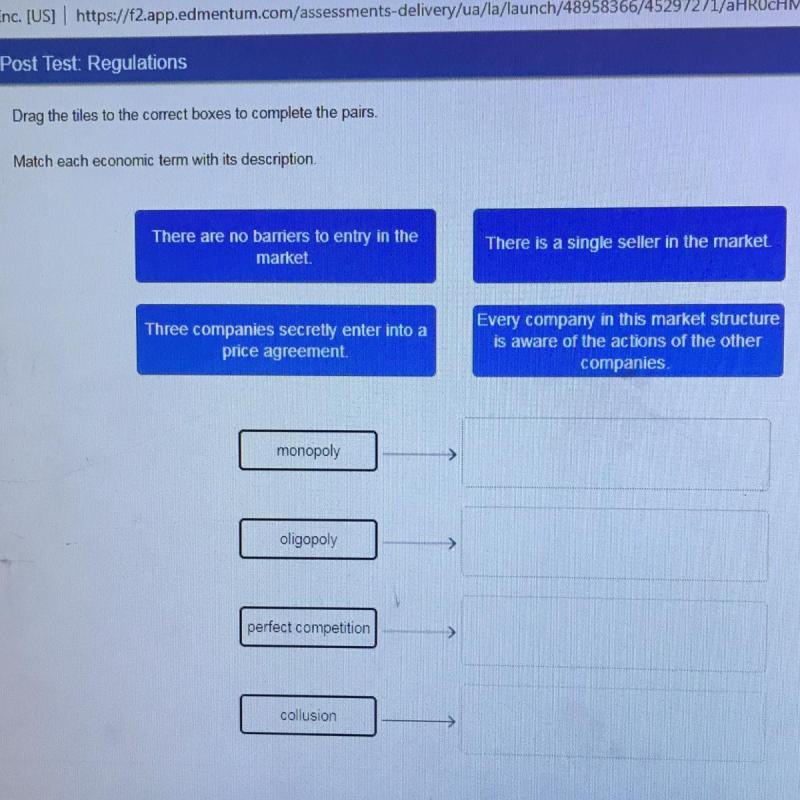
The Complete Overview of Matching Economic Terms with Their Descriptions
Economic language can often seem like a dense thicket of jargon, impenetrable to those outside the field. Yet, understanding the terminology is crucial for navigating the complexities of our global financial systems. Whether you're a student, an investor, or simply curious about how the economy works, the ability to match each economic term with its description is a powerful tool. This comprehensive overview will guide you through the historical background, core mechanisms, key benefits, and future trends of economic terminology, equipping you with a deeper understanding of the financial landscape.
In the dynamic world of economics, terms and concepts evolve alongside market forces and technological advancements. From the classical theories of Adam Smith to the quantitative easing measures of central banks in the 21st century, economic language has grown increasingly sophisticated. This article aims to demystify this language, making it accessible and engaging for readers at every level of expertise. By the end, you'll not only be able to match each economic term with its description but also grasp the profound impact these concepts have on our daily lives.
Historical Background and Evolution
The study of economics and its accompanying terminology can trace its roots back to ancient civilizations, where early forms of trade and commerce necessitated basic systems of accounting and record-keeping. However, the systematic study of economics as a discipline began in earnest during the Enlightenment, with the works of thinkers like John Locke, David Hume, and Adam Smith. These intellectual giants laid the foundations for classical economics, introducing concepts such as supply and demand, division of labor, and the "invisible hand" of the market.As societies and economies grew more complex, so too did the language of economics. The 19th and 20th centuries saw the emergence of new schools of thought, such as Marxism, Keynesianism, and Monetarism, each contributing its own set of terms and theories. The Great Depression, World War II, and the subsequent global economic reconstruction further accelerated the development of economic terminology, as policymakers and economists sought new ways to understand and manage economic crises. Today, the language of economics encompasses a vast array of concepts, from microeconomic principles like opportunity cost and marginal utility to macroeconomic phenomena such as inflation, recession, and fiscal policy.
Core Mechanisms: How It Works
At its core, economic terminology serves as a means of communication among economists, policymakers, and the broader public. By assigning precise definitions to complex concepts, economic terms enable clear and concise discussions about the functioning of markets, the impact of policies, and the overall health of economies. This precision is crucial in a field where small changes in wording can have significant implications for economic analysis and decision-making.One of the key mechanisms driving the evolution of economic terminology is the ongoing dialogue between theory and practice. As new economic theories emerge, they bring with them new terms and concepts. For example, the rise of behavioral economics has introduced terms like "heuristics," "framing," and "loss aversion," which describe how psychological factors influence economic decisions. Conversely, real-world events and challenges often prompt the creation of new terms to describe and analyze unprecedented situations, such as the "subprime mortgage crisis" or "quantitative easing."
Key Benefits and Crucial Impact
The ability to match each economic term with its description offers more than just intellectual satisfaction; it has tangible benefits for individuals, businesses, and societies as a whole. Understanding economic terminology enhances one's ability to make informed decisions, whether it's about personal finances, business investments, or policy advocacy. It empowers citizens to engage meaningfully in discussions about economic policy, hold their leaders accountable, and contribute to the democratic process.Moreover, economic language plays a crucial role in international communication and cooperation. As globalization has knit together the world's economies, the shared use of economic terms and concepts has become essential for facilitating trade, investment, and development. Standardized economic terminology enables countries to negotiate trade agreements, coordinate monetary policies, and collaborate on addressing global economic challenges, such as climate change and income inequality.
"Economics is a subject which deals with people in the aggregate. It is not an exact science like physics or chemistry. It is a social science, and therefore, it is more difficult to achieve precision and certainty."
Major Advantages
- Improved Decision-Making: Economic terminology provides a framework for analyzing complex situations and making informed decisions, whether in personal finance, business strategy, or public policy.
- Enhanced Communication: A shared vocabulary of economic terms facilitates clear and effective communication among economists, policymakers, business leaders, and the general public.
- Better Understanding of Market Dynamics: By grasping key economic concepts, individuals can better understand how markets function, how prices are determined, and how their own actions can influence economic outcomes.
- Increased Financial Literacy: Familiarity with economic terms and principles fosters financial literacy, enabling individuals to manage their finances more effectively and make prudent investment decisions.
- Global Cooperation and Trade: Standardized economic terminology is essential for international cooperation, trade negotiations, and the coordination of economic policies across borders.

Comparative Analysis
| Economic Concept | Description |
|---|---|
| Supply and Demand | The fundamental economic principle that describes how the quantity of a good or service supplied and the quantity demanded interact to determine the equilibrium price and quantity. |
| Inflation | A general increase in prices and fall in the purchasing value of money over time. |
| Recession | A significant decline in economic activity spread across the economy, lasting more than a few months, normally visible in real GDP, real income, employment, industrial production, and wholesale-retail sales. |
| Fiscal Policy | The use of government spending and taxation to influence the economy, primarily to promote full employment, price stability, and economic growth. |
Future Trends and Innovations
As the world continues to evolve, so too will the language of economics. Emerging technologies, such as artificial intelligence, blockchain, and big data, are already transforming economic analysis and policy-making. New terms and concepts are likely to emerge as economists grapple with the implications of these technologies for markets, employment, and the overall functioning of the economy.Table of Contents
- The Complete Overview of Matching Economic Terms with Their Descriptions
- Historical Background and Evolution
- Core Mechanisms: How It Works
- Key Benefits and Crucial Impact
- Major Advantages
- Comparative Analysis
- Future Trends and Innovations
- Conclusion
- Comprehensive FAQs
- Q: What is the significance of understanding economic terminology?
- Q: How has economic language evolved over time?
- Q: What are the core mechanisms driving the evolution of economic terms?
- Q: How does economic language impact international relations?
- Q: What future trends are expected in economic terminology?
Additionally, the increasing urgency of global challenges, such as climate change and income inequality, will drive the development of new economic terminology. As policymakers and economists seek innovative solutions to these complex problems, they will need a robust and evolving language to describe and analyze their efforts. The ability to match each economic term with its description will remain a vital skill, enabling individuals and societies to navigate an ever-changing economic landscape.
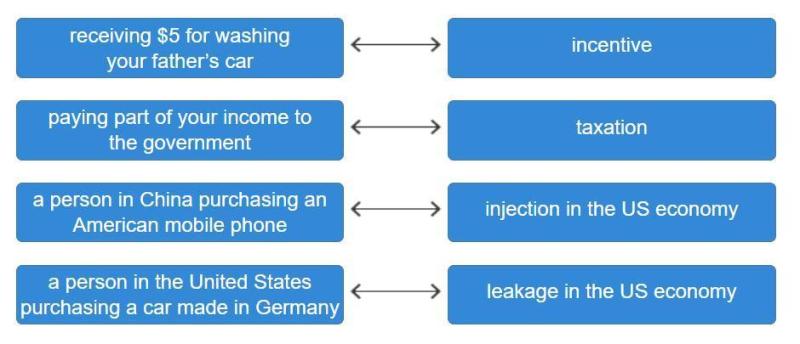
Conclusion
Matching each economic term with its description is not merely an academic exercise; it is a practical skill with profound implications for individuals, businesses, and societies. By understanding the historical background, core mechanisms, and key benefits of economic terminology, we can better appreciate the role that language plays in shaping our economic reality. As the world continues to change, the ability to navigate the complexities of economic language will become increasingly important, empowering us to make informed decisions, engage in productive discussions, and contribute to the creation of a more prosperous and equitable global economy.Comprehensive FAQs
Q: What is the significance of understanding economic terminology?
A: Understanding economic terminology is crucial for making informed decisions about personal finances, business investments, and policy advocacy. It also facilitates clear communication among economists, policymakers, and the general public, both domestically and internationally.
Q: How has economic language evolved over time?
A: Economic language has evolved alongside market forces and technological advancements. From the classical theories of the Enlightenment to the emergence of new schools of thought and real-world economic challenges, economic terminology has continually adapted to reflect the changing economic landscape.
Q: What are the core mechanisms driving the evolution of economic terms?
A: The core mechanisms include the dialogue between economic theory and practice, with new theories introducing new terms and real-world events prompting the creation of terms to describe unprecedented situations. Technological advancements and global challenges also drive the development of new economic terminology.
Q: How does economic language impact international relations?
A: Standardized economic terminology is essential for international cooperation, trade negotiations, and the coordination of economic policies. It facilitates clear communication and mutual understanding among countries, promoting global economic stability and growth.
Q: What future trends are expected in economic terminology?
A: Emerging technologies like AI, blockchain, and big data will likely generate new economic terms and concepts. Additionally, the urgency of global challenges such as climate change and income inequality will drive the development of innovative economic language to address these complex issues.
Leave a Comment
Comments are moderated before appearing. The data you submit is processed according to the Privacy Policy of stanford.edu.