Unlocking Success: Innovative Marketing Tactics for Small Businesses
In the competitive landscape of business, effective marketing is not merely an option; it's a necessity, especially for small enterprises aiming to leave their mark. The challenge lies in navigating the ever-evolving marketing arena with its myriad tactics and strategies. This article delves into the heart of marketing tactics for small businesses, offering a comprehensive guide to help entrepreneurs and marketers alike unlock their full potential.
From traditional methods to cutting-edge digital strategies, we'll explore the tools and techniques that can propel small businesses forward. By understanding the historical context, core mechanisms, and undeniable benefits, you'll gain the confidence to make informed decisions and adapt to the dynamic market.
Whether you're a seasoned entrepreneur or a novice venturing into the business world, this in-depth exploration will provide valuable insights, practical tips, and innovative ideas to enhance your marketing repertoire.

The Complete Overview of Marketing Tactics for Small Businesses
Marketing for small businesses is a strategic dance between understanding your audience and leveraging the right channels to reach them. It involves a blend of creativity, data-driven decisions, and a deep understanding of the unique value your business offers. In today's digital age, where consumers are bombarded with choices, effective marketing tactics are essential to cut through the noise and establish a memorable brand presence.
The primary goal is to create a cohesive strategy that resonates with your target market, builds trust, and ultimately drives conversions. This comprehensive overview will navigate through the historical evolution, core mechanisms, and the profound impact of successful marketing tactics, providing a solid foundation for small businesses to thrive.
Historical Background and Evolution
Marketing tactics have evolved significantly over the centuries, from the traditional print and broadcast media of the 20th century to the digital revolution of the 21st. Historically, small businesses relied on local advertising, word-of-mouth recommendations, and community engagement to build a customer base. The advent of the internet and digital technologies transformed the marketing landscape, offering unprecedented opportunities for businesses to reach a global audience.
Table of Contents
- The Complete Overview of Marketing Tactics for Small Businesses
- Historical Background and Evolution
- Core Mechanisms: How Marketing Tactics Work
- Key Benefits and Crucial Impact
- Major Advantages
- Comparative Analysis
- Future Trends and Innovations
- Conclusion
- Comprehensive FAQs
- Q: What are the most effective marketing tactics for small businesses with limited budgets?
- Q: How can small businesses stand out in a crowded online market?
- Q: What role does market research play in developing marketing tactics?
- Q: How can small businesses leverage influencer marketing effectively?
- Q: What are some innovative marketing tactics for small businesses to try?
The evolution of marketing tactics can be traced through several key phases: the rise of mass media, the emergence of digital marketing, and the current era of personalized, data-driven marketing. Each phase has brought new challenges and opportunities, requiring small businesses to adapt and innovate to stay competitive. Today, successful marketing strategies often blend traditional methods with digital innovation, creating a holistic approach that caters to modern consumer behavior.
Core Mechanisms: How Marketing Tactics Work
At its core, marketing is about understanding and influencing consumer behavior. The mechanisms behind successful marketing tactics involve a combination of psychological, sociological, and economic principles. Key elements include:
- Market Research: Gathering and analyzing data about consumers, competitors, and market trends to inform strategic decisions.
- Target Audience Identification: Defining the specific group of consumers most likely to be interested in your product or service.
- Brand Development: Creating a unique brand identity that resonates with your target audience and differentiates your business.
- Content Creation: Producing valuable and engaging content that attracts and retains your target audience.
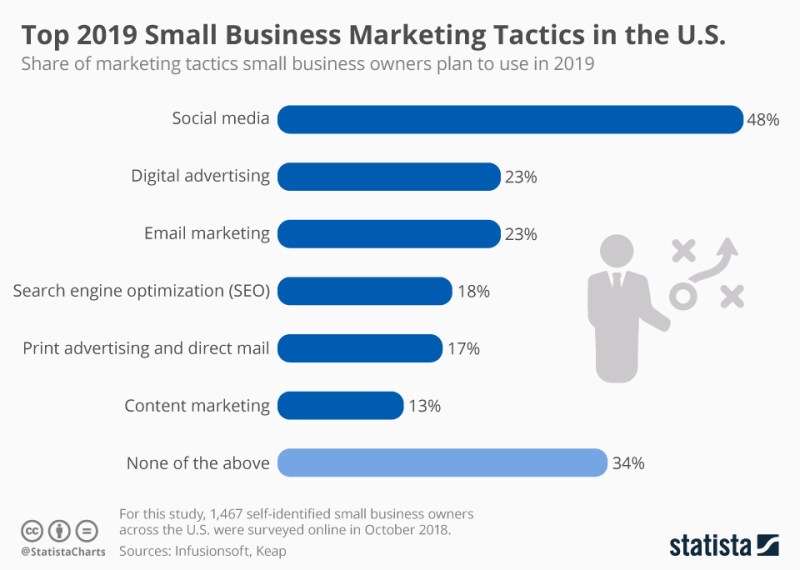
- Channel Selection: Choosing the most effective marketing channels (e.g., social media, email, SEO) to reach your audience.
- Performance Measurement: Tracking key metrics to evaluate the success of your marketing campaigns and make data-driven adjustments.
These mechanisms work together to create a cohesive marketing strategy that raises brand awareness, generates leads, and ultimately drives sales.
Key Benefits and Crucial Impact
Implementing well-thought-out marketing tactics is pivotal for small businesses, offering a multitude of benefits that can significantly impact their success. From increased brand visibility to improved customer relationships, the advantages are far-reaching.
Marketing tactics enable small businesses to:
- Carve out a unique position in the market, setting them apart from competitors.
- Attract and retain a loyal customer base, fostering long-term growth.
- Leverage limited resources efficiently, maximizing the impact of every marketing dollar spent.
- Adapt to changing market conditions and consumer preferences.
- Build a strong brand identity that resonates with the target audience.
"Marketing is no longer about the stuff that you make, but about the stories you tell." - Seth Godin
Major Advantages
- Targeted Reach: Marketing tactics allow small businesses to precisely target their ideal customers, ensuring that their message reaches the right people.
- Cost-Effectiveness: Digital marketing channels, in particular, offer cost-effective solutions for small businesses with limited budgets, providing a high return on investment.
- Brand Awareness: Consistent marketing efforts build brand recognition, making your business top-of-mind when customers are ready to purchase.
- Customer Engagement: Interactive marketing strategies foster two-way communication, enabling businesses to build relationships and understand customer needs better.
- Competitive Edge: Effective marketing tactics can level the playing field for small businesses, allowing them to compete with larger brands and establish a strong market presence.

Comparative Analysis
| Traditional Marketing | Digital Marketing |
|---|---|
| Print Advertising (Newspapers, Magazines) | Social Media Marketing |
| Broadcast Advertising (TV, Radio) | Email Marketing |
| Direct Mail | Search Engine Optimization (SEO) |
| Local Community Events | Content Marketing |
Note: Many small businesses employ a combination of traditional and digital marketing tactics to maximize reach and engagement.
Future Trends and Innovations
The world of marketing is in a constant state of flux, driven by technological advancements and evolving consumer behaviors. As we look ahead, several trends and innovations are poised to shape the future of marketing tactics for small businesses:
- Artificial Intelligence (AI) and Machine Learning: AI-powered tools will continue to revolutionize marketing, enabling personalized customer experiences and predictive analytics.
- Voice Search Optimization: With the rise of voice assistants, optimizing content for voice search will become crucial for small businesses to remain visible.
- Video Marketing Dominance: Video content will maintain its momentum, offering engaging and shareable experiences that capture attention in a crowded digital landscape.
- Influencer Partnerships: Collaborating with niche influencers will allow small businesses to tap into targeted audiences and build trust through authentic endorsements.
- Sustainable and Purpose-Driven Marketing: Consumers are increasingly conscious of environmental and social issues. Marketing tactics that highlight a business's commitment to sustainability and social responsibility will resonate deeply.
Conclusion
Marketing tactics for small businesses are a dynamic and ever-evolving field, offering a wealth of opportunities to connect with customers and drive growth. By understanding the historical context, core mechanisms, and future trends, small business owners can navigate the marketing landscape with confidence. The key lies in adaptability, creativity, and a deep understanding of the target audience.
Whether leveraging traditional methods, embracing digital innovation, or forging a unique path, the goal remains the same: to create a compelling brand story that resonates with customers and sets the business apart. With the right marketing tactics, small businesses can unlock their full potential and thrive in an increasingly competitive marketplace.
Comprehensive FAQs
Q: What are the most effective marketing tactics for small businesses with limited budgets?
A: Small businesses on a tight budget can benefit from cost-effective digital marketing strategies such as social media marketing, email campaigns, and content creation. Utilizing free or low-cost online tools, optimizing for local SEO, and leveraging user-generated content can also stretch marketing dollars.
Q: How can small businesses stand out in a crowded online market?
A: To stand out online, small businesses should focus on creating unique, high-quality content that reflects their brand personality. Building a strong social media presence, engaging with customers directly, and offering personalized experiences can help differentiate a business from competitors.
Q: What role does market research play in developing marketing tactics?
A: Market research is crucial for understanding customer needs, preferences, and behaviors. It provides valuable insights that inform marketing strategy, helping small businesses tailor their messaging, choose the right channels, and create targeted campaigns that resonate with their audience.
Q: How can small businesses leverage influencer marketing effectively?
A: Influencer marketing involves collaborating with individuals who have a significant online following. Small businesses can leverage influencers by identifying those who align with their brand values and target audience. Offering free products, affiliate partnerships, or sponsored content opportunities can encourage influencers to promote the business to their engaged followers.
Q: What are some innovative marketing tactics for small businesses to try?
A: Small businesses can experiment with innovative tactics such as interactive content (quizzes, polls), augmented reality experiences, user-generated content campaigns, and live streaming events. These tactics engage customers in unique ways, fostering a sense of community and brand loyalty.
Leave a Comment
Comments are moderated before appearing. The data you submit is processed according to the Privacy Policy of stanford.edu.