List Solutions in Mainframe Security That Are Highly Reliable: Safeguarding Critical Data
In the digital age, where data is the new currency, ensuring the security of mainframe systems is paramount. Mainframes, often the backbone of critical operations in governments and large enterprises, house some of the most sensitive and valuable data. Consequently, the demand for robust, reliable security solutions has never been higher. This article delves into the heart of mainframe security, exploring a comprehensive list of solutions designed to fortify these systems against evolving threats.
As cyberattacks become more sophisticated, traditional security measures are no longer sufficient. Modern mainframe security requires a multi-layered approach, combining cutting-edge technologies with proven methodologies. From encryption and access controls to real-time monitoring and incident response, each layer adds a crucial barrier against unauthorized access and data breaches. This article serves as a guide for IT professionals and decision-makers seeking to implement the most reliable mainframe security solutions available.
Whether you're looking to enhance your organization's existing security posture or adopt new strategies, understanding the landscape of mainframe security is essential. By the end of this exploration, you'll have a clear picture of the tools and techniques that form the frontline defense against cyber threats, ensuring the integrity, confidentiality, and availability of your mainframe data.
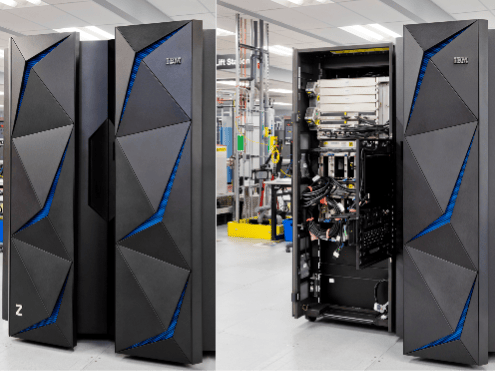
The Complete Overview of Mainframe Security Solutions
Mainframe security encompasses a broad spectrum of technologies and practices aimed at protecting the integrity and confidentiality of data processed and stored on mainframe computers. These systems, often decades old, are targets for cybercriminals due to their vast repositories of sensitive information. A comprehensive security strategy must address multiple aspects, from access control and encryption to real-time monitoring and incident response.
The evolution of mainframe security has been driven by the increasing complexity of cyber threats and the expanding digital landscape. As organizations move towards cloud-based solutions and hybrid IT environments, the perimeter of the network has expanded, creating new vulnerabilities. Simultaneously, the rise of advanced persistent threats (APTs) and ransomware attacks has underscored the need for proactive, multi-layered security measures. Modern mainframe security solutions must be adaptable, scalable, and capable of integrating with diverse IT infrastructures.
Historical Background and Evolution
The concept of mainframe security dates back to the early days of computing when mainframes were the dominant technology. Initial security measures focused on physical access controls and basic authentication methods. As computing evolved, so did the threats, leading to the development of more sophisticated security protocols. The introduction of encryption technologies, access control lists (ACLs), and intrusion detection systems (IDS) marked significant milestones in mainframe security.
Table of Contents
- The Complete Overview of Mainframe Security Solutions
- Historical Background and Evolution
- Core Mechanisms: How It Works
- Key Benefits and Crucial Impact
- Major Advantages
- Comparative Analysis
- Future Trends and Innovations
- Conclusion
- Comprehensive FAQs
- Q: What are the primary challenges in securing mainframe systems?
- Q: How does encryption contribute to mainframe security?
- Q: What role does access control play in mainframe security?
- Q: How can AI and ML enhance mainframe security?
- Q: What is the importance of regulatory compliance in mainframe security?
The 1980s and 1990s saw the rise of network-based attacks, prompting the adoption of firewalls and virtual private networks (VPNs) to secure data transmission. However, the true turning point came with the advent of the internet and the subsequent increase in cybercrime. This era witnessed the integration of antivirus software, data loss prevention (DLP) systems, and security information and event management (SIEM) solutions into mainframe security arsenals. Today, artificial intelligence (AI) and machine learning (ML) are being employed to predict and mitigate threats in real time, representing the latest evolution in mainframe security.
Core Mechanisms: How It Works
Mainframe security operates on a foundation of several core mechanisms, each playing a crucial role in protecting data and systems. These mechanisms include:
- Access Control: Ensuring that only authorized users can access specific data or systems. This involves authentication (verifying user identity) and authorization (determining what actions a user can perform).
- Encryption: Converting data into a coded format unreadable without a decryption key. Encryption is used to secure data at rest and in transit, protecting it from unauthorized access.
- Intrusion Detection and Prevention: Monitoring system activities for suspicious behavior and taking action to prevent potential threats. This includes analyzing network traffic and user activities.
- Security Information and Event Management (SIEM): Collecting and analyzing security-related data from various sources to identify patterns and anomalies indicative of threats.
- Data Loss Prevention (DLP): Identifying, monitoring, and protecting sensitive data to prevent unauthorized disclosure or data breaches.
Key Benefits and Crucial Impact
Implementing a robust mainframe security strategy offers a multitude of benefits, each critical to the overall health and resilience of an organization's IT infrastructure. These benefits include enhanced data integrity, reduced risk of data breaches, improved compliance with regulatory standards, and increased operational efficiency.
The impact of these solutions extends beyond mere technical considerations. By safeguarding sensitive data, organizations can maintain the trust of their customers, partners, and stakeholders. Moreover, the financial implications are significant, as data breaches can result in substantial fines, legal fees, and reputational damage. According to IBM, the average cost of a data breach in 2021 was $4.24 million, underscoring the importance of investing in reliable mainframe security solutions.
"Cybersecurity is not just about technology; it's about people, processes, and technology working together to protect our most valuable assets."
Major Advantages
- Comprehensive Protection: Layered security mechanisms ensure that threats are addressed from multiple angles, reducing the risk of successful attacks.
- Proactive Threat Mitigation: AI and ML-driven solutions can anticipate and neutralize threats before they escalate, minimizing potential damage.
- Regulatory Compliance: Robust security measures help organizations meet industry-specific regulations and standards, avoiding penalties and legal issues.
- Enhanced Data Integrity: By preventing unauthorized access and tampering, mainframe security solutions guarantee the accuracy and completeness of data.
- Improved Operational Efficiency: Automated security processes reduce the burden on IT staff, allowing them to focus on strategic initiatives.

Comparative Analysis
| Solution | Key Features | Benefits | Limitations |
|---|---|---|---|
| Encryption | Data scrambling, secure key management | High level of data protection, both at rest and in transit | Complex key management, potential performance impact |
| Access Control | Authentication, authorization, role-based access | Granular control over user permissions, reduced unauthorized access | Can be cumbersome to manage in large organizations |
| Intrusion Detection/Prevention | Real-time monitoring, threat intelligence | Proactive threat mitigation, quick response to incidents | May produce false positives, requiring human intervention |
| SIEM | Centralized logging, event correlation | Comprehensive security visibility, advanced analytics | High implementation and maintenance costs |
Future Trends and Innovations
The landscape of mainframe security is continuously evolving, driven by advancements in technology and the ever-changing threat environment. Several emerging trends are poised to shape the future of mainframe security, including:
- Behavioral Analytics: Leveraging AI and ML to analyze user and system behavior, identifying anomalies that may indicate a security threat.
- Zero Trust Architecture: A model that assumes no implicit trust, requiring continuous verification of user identity and access rights.
- Quantum-Safe Encryption: Developing encryption algorithms resistant to attacks by quantum computers, ensuring long-term data security.
- Automated Incident Response: Enhancing security systems to automatically respond to threats, reducing human intervention and response times.
These innovations aim to address the challenges posed by increasingly sophisticated cyber threats, ensuring that mainframe security remains a step ahead. As organizations continue to rely on mainframes for critical operations, investing in these future-proof solutions will be essential to maintaining a robust security posture.

Conclusion
In an era where data security is paramount, mainframe security solutions play a vital role in protecting sensitive information and ensuring business continuity. By implementing a comprehensive, multi-layered security strategy, organizations can safeguard their data against a wide range of threats. From encryption and access controls to real-time monitoring and behavioral analytics, each component contributes to a resilient security ecosystem.
As cyber threats continue to evolve, staying ahead of the curve requires a commitment to innovation and adaptability. By embracing future trends such as zero trust architecture and quantum-safe encryption, organizations can maintain the highest levels of mainframe security. In the end, the reliability of these solutions is not just about protecting data; it's about preserving trust, ensuring compliance, and safeguarding the very foundation of modern business operations.
Comprehensive FAQs
Q: What are the primary challenges in securing mainframe systems?
A: Mainframe security faces challenges such as aging infrastructure, complex legacy systems, and the need to integrate with modern technologies. Additionally, the volume and sophistication of cyber threats require continuous adaptation of security measures.
Q: How does encryption contribute to mainframe security?
A: Encryption renders data unreadable to unauthorized users, protecting it both at rest and in transit. It is a critical component of mainframe security, ensuring that even if data is accessed, it remains secure.
Q: What role does access control play in mainframe security?
A: Access control ensures that only authorized users can access specific data or systems. By implementing robust authentication and authorization mechanisms, organizations can significantly reduce the risk of unauthorized access.
Q: How can AI and ML enhance mainframe security?
A: AI and ML enable proactive threat detection and mitigation by analyzing patterns of normal behavior and identifying anomalies. This behavioral analytics approach allows security systems to anticipate and neutralize threats in real time.
Q: What is the importance of regulatory compliance in mainframe security?
A: Regulatory compliance ensures that organizations adhere to industry-specific standards and regulations regarding data protection. Non-compliance can result in significant fines and legal consequences, making it a critical aspect of mainframe security.
Leave a Comment
Comments are moderated before appearing. The data you submit is processed according to the Privacy Policy of stanford.edu.