Is Dumpster Diving Illegal in Maryland? Uncovering the Truth Behind This Contentious Practice
In an era where sustainability and resource recovery are increasingly important, the practice of dumpster diving has emerged as a contentious issue. For some, it's a means to salvage usable items and reduce waste. For others, it's a trespass on private property and a potential health hazard. This article aims to dissect the question, "Is dumpster diving illegal in Maryland?" by examining its legal, historical, and practical dimensions.
Maryland, like many states, has laws in place to regulate waste management and protect both public health and private property rights. As we navigate through this complex topic, we'll uncover the nuances of these laws and how they pertain to dumpster diving. Whether you're a curious individual, an environmental advocate, or a business owner, understanding the legal implications is crucial.
Moreover, we'll explore the benefits and impacts of dumpster diving, comparing it with other waste recovery methods and looking towards the future of waste management. By the end, you should have a comprehensive understanding of the legal and practical considerations surrounding dumpster diving in Maryland.

The Complete Overview of Dumpster Diving in Maryland
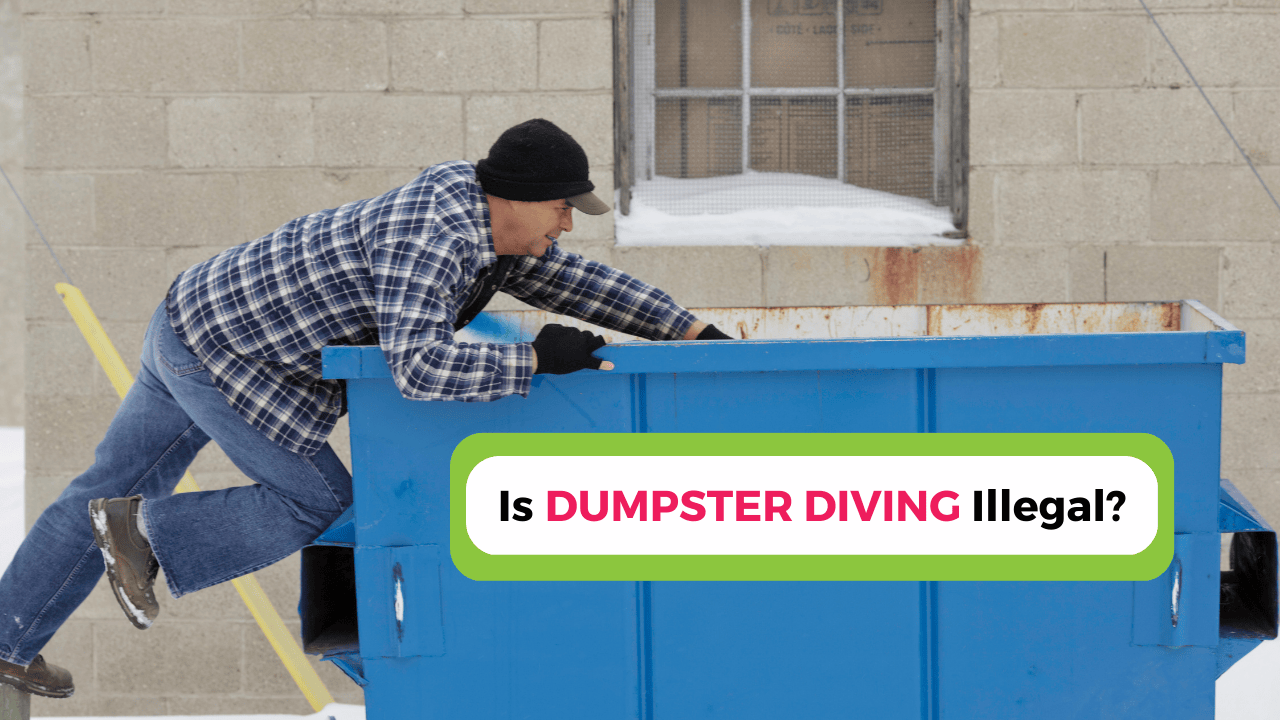
Dumpster diving, also known as skip diving or trash picking, involves searching through commercial or residential dumpsters for discarded items that may still have value or use. While it might seem like a simple act, it's important to recognize that it operates in a legal and ethical gray area.
In Maryland, as in many places, the legality of dumpster diving hinges on several factors, including the type of property involved, the nature of the discarded items, and the diver's intent. Understanding these factors is essential to navigating the legal landscape surrounding this practice.
Historical Background and Evolution
The practice of salvaging usable items from waste dates back centuries, with historical examples ranging from ragpickers in Victorian England to Depression-era Americans scavenging for food and materials. However, the modern concept of dumpster diving emerged in the late 20th century, fueled by environmental awareness and a growing interest in repurposing and recycling.
Table of Contents
- The Complete Overview of Dumpster Diving in Maryland
- Historical Background and Evolution
- Core Mechanisms: How Dumpster Diving Works
- Key Benefits and Crucial Impact
- Major Advantages
- Comparative Analysis
- Future Trends and Innovations
- Conclusion
- Comprehensive FAQs
- Q: What is the legal status of dumpster diving in Maryland?
- Q: Are there any exceptions to the legality of dumpster diving?
- Q: What are the potential risks of dumpster diving?
- Q: How does dumpster diving compare to traditional recycling programs?
- Q: What can individuals do to engage in responsible waste recovery practices?
In Maryland, as waste management practices evolved and landfill regulations tightened, dumpster diving gained traction among individuals seeking to reduce waste and recover valuable resources. However, the state's laws regarding property rights and waste management have also played a significant role in shaping the legality and perception of this activity.
Core Mechanisms: How Dumpster Diving Works
Dumpster diving typically involves several steps: identifying suitable dumpsters, obtaining access (which may require trespassing on private property), sorting through the waste, and removing desired items. Divers often look for dumpsters behind retail stores, restaurants, or residential complexes, seeking items such as electronics, furniture, or food.
While some divers engage in this practice out of necessity or for environmental reasons, others do so for profit, selling found items online or at flea markets. Regardless of the motive, dumpster diving raises legal and ethical questions that must be considered.
Key Benefits and Crucial Impact
Dumpster diving can have several positive impacts, particularly in the realms of waste reduction, resource recovery, and community building. However, these benefits must be weighed against the potential risks and legal implications.
“Reducing waste and increasing recycling can have a significant positive impact on the environment, conserving natural resources and reducing greenhouse gas emissions.” - U.S. Environmental Protection Agency
Major Advantages
- Waste Reduction: Dumpster diving diverts usable items from landfills, reducing the environmental impact of waste disposal.
- Resource Recovery: Divers can recover valuable materials, such as metals, plastics, and electronics, for reuse or recycling.
- Community Building: Some dumpster diving groups foster community engagement and environmental awareness through shared activities and events.
- Financial Savings: Individuals can find free or low-cost items, reducing their need to purchase new goods.
- Creative Opportunities: Artists and crafters can source unique materials for their projects, promoting creativity and upcycling.
Comparative Analysis
| Aspect | Dumpster Diving | Traditional Recycling |
|---|---|---|
| Legal Risk | High; potential for trespassing and other legal issues | Low; generally permitted and regulated |
| Environmental Impact | Positive; reduces waste and promotes resource recovery | Positive; conserves resources and reduces pollution |
| Financial Cost | Low; divers may incur costs for transportation and equipment | Varies; recycling programs may be free or have associated costs |
| Community Engagement | High; can foster community building and environmental awareness | Moderate; recycling programs often involve community participation |
Future Trends and Innovations
As society continues to grapple with waste management challenges, the future of dumpster diving may be shaped by several trends and innovations. On one hand, growing environmental awareness and the circular economy movement could legitimize and regulate dumpster diving, making it a more accepted form of waste recovery.
On the other hand, technological advancements in waste sorting and recycling may reduce the need for manual scavenging. Additionally, legal and regulatory changes could further restrict dumpster diving, emphasizing the importance of formal waste management systems.
Ultimately, the future of dumpster diving in Maryland will depend on a complex interplay of environmental, economic, and legal factors.

Conclusion
The question "Is dumpster diving illegal in Maryland?" does not have a simple answer. While the state's laws generally prohibit trespassing and tampering with private property, the practice can be legally permissible under certain circumstances, such as when divers have permission from property owners or are salvaging food from commercial dumpsters.
Despite the legal complexities, dumpster diving has the potential to contribute positively to waste reduction and resource recovery efforts. However, it also carries risks, including legal repercussions, health hazards, and negative impacts on local communities. As Maryland continues to navigate the challenges of waste management, the role and regulation of dumpster diving will likely evolve.
Comprehensive FAQs
Q: What is the legal status of dumpster diving in Maryland?
A: Dumpster diving is generally considered illegal in Maryland without the explicit permission of the property owner. It can lead to charges of trespassing, theft, or other offenses, depending on the circumstances.
Q: Are there any exceptions to the legality of dumpster diving?
A: Yes, there are some exceptions. For instance, salvaging food from commercial dumpsters may be legal under certain conditions, and some municipalities have regulations that specifically address dumpster diving.
Q: What are the potential risks of dumpster diving?
A: Risks include legal repercussions, such as fines or arrest, as well as physical dangers like injuries from sharp objects or exposure to hazardous materials. Additionally, there are health risks associated with handling and consuming discarded food.
Q: How does dumpster diving compare to traditional recycling programs?
A: While both aim to reduce waste and recover resources, dumpster diving carries higher legal risks and can involve health hazards. Traditional recycling programs are generally safer and more regulated, but they may not capture all potentially usable items.
Q: What can individuals do to engage in responsible waste recovery practices?
A: Individuals can support local recycling programs, donate usable items to charities or thrift stores, and advocate for improved waste management policies. If interested in dumpster diving, it's crucial to understand the local laws and obtain proper permissions.
Leave a Comment
Comments are moderated before appearing. The data you submit is processed according to the Privacy Policy of stanford.edu.