Are All Sperm Cells Identical? Unraveling the Myth
Sperm cells, the microscopic messengers of life, have long been shrouded in mystery and misinformation. One of the most pervasive queries in the realm of reproductive biology is the question of whether all sperm cells are identical. This notion, often simplistically reduced to "identical sperm cells. True or false?", belies a complex and intriguing scientific reality.
The human body, with its intricate mechanisms and astonishing diversity, rarely deals in absolutes. Sperm cells, despite their uniform appearance under a microscope, are no exception. This article aims to dissect the myth of identical sperm cells, exploring the genetic nuances, evolutionary significance, and potential implications for fertility and human health.
As we navigate through this scientific journey, we will uncover not only the answer to "identical sperm cells. True or false?" but also the profound impact of genetic diversity in sperm on our understanding of reproduction and human genetics.

The Complete Overview of Identical Sperm Cells
The concept of "identical sperm cells" often arises from the misunderstanding that all cells within an organism are identical. While it's true that all cells in a given organism share the same genetic code, this oversimplifies the intricate tapestry of genetic diversity that underpins sexual reproduction.
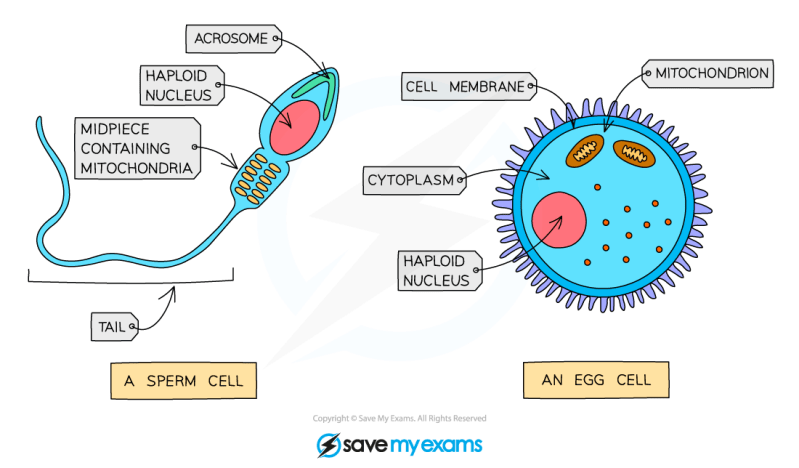
Sperm cells, though derived from a single progenitor cell through mitotic divisions, undergo a unique process known as meiosis. This cellular event is fundamental to sexual reproduction, as it halves the number of chromosomes in the resulting cells, ensuring that upon fertilization, the offspring inherits the correct number of chromosomes from both parents.
Historical Background and Evolution
The understanding of sperm cell diversity has evolved significantly over the centuries. Early microscopic observations by pioneers like Antonie van Leeuwenhoek in the 17th century revealed the existence of sperm cells, but their genetic complexity remained elusive.
Table of Contents
- The Complete Overview of Identical Sperm Cells
- Historical Background and Evolution
- Core Mechanisms: How It Works
- Key Benefits and Crucial Impact
- Major Advantages
- Comparative Analysis
- Future Trends and Innovations
- Conclusion
- Comprehensive FAQs
- Q: What is meiosis and how does it contribute to sperm cell diversity?
- Q: How does genetic diversity in sperm cells benefit the offspring?
- Q: Can identical sperm cells successfully fertilize an egg?
- Q: How does epigenetics influence sperm cell quality and diversity?
- Q: What are the future implications of understanding sperm cell diversity?
The mid-20th century saw groundbreaking advancements in genetics and molecular biology, leading to the discovery of DNA's structure and function. This pivotal moment paved the way for a deeper understanding of the genetic diversity within sperm cells. The realization that meiosis introduced variation through genetic recombination and independent assortment of chromosomes challenged the notion of "identical sperm cells. True or false?" and set the stage for modern reproductive biology.
Core Mechanisms: How It Works
The diversity of sperm cells stems from two fundamental processes: genetic recombination and independent assortment.
Genetic recombination occurs during meiosis when homologous chromosomes exchange genetic material. This process creates new combinations of alleles, introducing diversity into the resulting sperm cells. Independent assortment, on the other hand, involves the random alignment and separation of homologous chromosomes during meiosis, further increasing the genetic variability of the sperm.
Key Benefits and Crucial Impact
The genetic diversity arising from non-identical sperm cells plays a pivotal role in several biological processes, with far-reaching implications for both individuals and the species as a whole.
Genetic diversity is the raw material for natural selection, driving evolution and ensuring the adaptability of species to changing environments. Moreover, it enhances the chances of successful fertilization and the subsequent development of a healthy embryo.
"Genetic diversity is the key to survival, ensuring that some individuals are better equipped to handle environmental challenges, from disease to climate change."
Major Advantages
- Evolutionary Adaptability: Genetic diversity in sperm cells contributes to the overall genetic diversity of the offspring, enhancing the species' ability to adapt to changing environments and survive over time.
- Increased Fertilization Success: Diverse sperm cells improve the likelihood of fertilization, as different sperm may have unique advantages in reaching and fertilizing the egg.
- Reduced Risk of Genetic Disorders: Genetic recombination helps to minimize the risk of inheriting recessive genetic disorders by breaking up harmful gene combinations.
- Enhanced Embryonic Development: Genetic diversity can positively influence embryonic development, leading to healthier and more robust offspring.
- Improved Immune System Function: Diverse genetic material can contribute to a stronger and more effective immune system in the offspring, better equipped to fight off infections and diseases.

Comparative Analysis
| Aspect | Identical Sperm Cells | Non-Identical Sperm Cells |
|---|---|---|
| Genetic Diversity | Low to None | High |
| Evolutionary Potential | Limited | High |
| Fertilization Success | Reduced | Increased |
| Risk of Genetic Disorders | Higher | Lower |
Future Trends and Innovations
As our understanding of reproductive biology deepens, the future holds exciting possibilities for leveraging the knowledge of sperm cell diversity. Advancements in genetic sequencing technologies are enabling more detailed analyses of sperm DNA, opening doors to personalized medicine and fertility treatments.
The emerging field of epigenetics, which studies heritable changes in gene expression that do not involve alterations to the underlying DNA sequence, is also shedding light on how environmental factors can influence sperm quality and genetic diversity. This could lead to novel interventions to improve male fertility and overall reproductive health.
Conclusion
The question of "identical sperm cells. True or false?" serves as a gateway to understanding the intricate and fascinating world of reproductive biology. The diversity of sperm cells, far from being a mere biological curiosity, is a fundamental driver of evolution, fertility, and human health.
As we continue to unravel the complexities of genetic variation in sperm, we move closer to unlocking new avenues for enhancing reproductive outcomes and ensuring the well-being of future generations. The answer to "identical sperm cells. True or false?" is, therefore, a resounding false, underlining the profound importance of genetic diversity in the tapestry of life.
Comprehensive FAQs
Q: What is meiosis and how does it contribute to sperm cell diversity?
A: Meiosis is a type of cell division that halves the number of chromosomes in the resulting cells. It involves genetic recombination and independent assortment, creating diverse sperm cells with unique genetic combinations.
Q: How does genetic diversity in sperm cells benefit the offspring?
A: Genetic diversity enhances the offspring's adaptability to changing environments, reduces the risk of genetic disorders, improves embryonic development, and contributes to a stronger immune system.
Q: Can identical sperm cells successfully fertilize an egg?
A: While it is possible for identical sperm cells to fertilize an egg, the success rate is lower compared to non-identical sperm cells due to the lack of genetic diversity.
Q: How does epigenetics influence sperm cell quality and diversity?
A: Epigenetics studies heritable changes in gene expression without altering the DNA sequence. Environmental factors can influence epigenetic modifications in sperm, potentially affecting their quality and genetic diversity.
Q: What are the future implications of understanding sperm cell diversity?
A: Advancements in genetic sequencing and epigenetics could lead to personalized fertility treatments, improved male fertility interventions, and enhanced reproductive health outcomes.
Leave a Comment
Comments are moderated before appearing. The data you submit is processed according to the Privacy Policy of stanford.edu.