Navigating the Process: How to Claim Travel Insurance
Traveling is an adventure, but unforeseen events can dampen the experience. Medical emergencies, flight cancellations, and lost luggage are just a few examples of unexpected occurrences that can disrupt your trip. This is where travel insurance steps in as a financial safety net. However, understanding how to claim travel insurance is crucial to ensure a smooth and stress-free process when something goes wrong.
While the prospect of using travel insurance may seem daunting, it doesn't have to be. This comprehensive guide will walk you through the complete overview of travel insurance claims, from historical background to future trends, and most importantly, provide a step-by-step process on how to claim travel insurance.
By the end of this article, you'll be equipped with the knowledge to navigate the claims process with confidence, ensuring that you receive the compensation you're entitled to without unnecessary delays or complications.

The Complete Overview of Travel Insurance Claims
Travel insurance claims are a vital component of the travel insurance ecosystem, representing the tangible benefits policyholders receive when unforeseen circumstances disrupt their trips. These claims cover a range of incidents, from medical emergencies to trip cancellations and lost baggage.
The process involves several stages, beginning with understanding your policy terms and conditions, promptly reporting the incident to your insurance provider, submitting the required documentation, and finally, receiving the compensation as outlined in your policy. Each step is critical to ensure a successful claim.
Historical Background and Evolution
Travel insurance claims have evolved significantly over the years, reflecting changes in travel patterns, technology, and consumer expectations. Historically, travel insurance was primarily focused on medical emergencies and trip cancellations. However, with the rise of global travel and increasing consumer awareness, the scope of coverage has widened.
Table of Contents
- The Complete Overview of Travel Insurance Claims
- Historical Background and Evolution
- Core Mechanisms: How It Works
- Key Benefits and Crucial Impact
- Major Advantages
- Comparative Analysis
- Future Trends and Innovations
- Conclusion
- Comprehensive FAQs
- Q: What are the first steps to take when needing to claim on my travel insurance?
- Q: How long does it typically take to receive a payout for a travel insurance claim?
- Q: What types of travel disruptions are typically covered by travel insurance claims?
- Q: Is there a difference in the claims process for medical emergencies versus trip cancellations?
- Q: Can I claim for a trip disruption that was caused by a pre-existing condition?
Today, travel insurance claims encompass a broad spectrum of travel disruptions, including flight delays, baggage loss, and even financial default of travel suppliers. The advent of digital technology has also transformed the claims process, allowing for faster and more efficient reporting and processing through online platforms and mobile apps.
Core Mechanisms: How It Works
The process of claiming travel insurance involves several key steps. Firstly, policyholders must understand their coverage details, including what is insured and the limits of coverage. This information is typically outlined in the policy document.
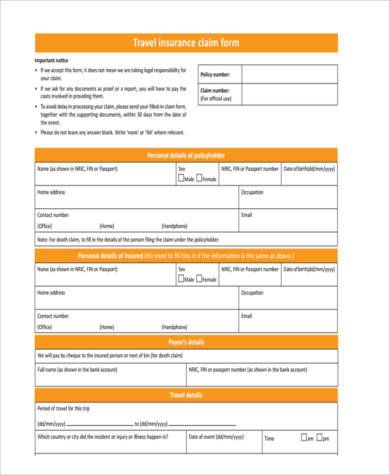
When an insured event occurs, the policyholder must promptly notify their insurance provider, providing details of the incident. Following this, the policyholder will need to gather and submit relevant documentation to support their claim. This may include medical reports, receipts for expenses incurred, or official confirmation of trip cancellations or delays.
The insurance provider then reviews the claim and supporting documentation to determine its validity based on the policy terms and conditions. If the claim is approved, the provider will disburse the compensation as outlined in the policy. The entire process can vary in duration depending on the complexity of the claim and the efficiency of the insurance provider.
Key Benefits and Crucial Impact
Travel insurance claims provide a critical safety net for travelers, offering financial reimbursement for unexpected events that can disrupt trips. This peace of mind allows travelers to focus on enjoying their journeys without the added stress of potential financial losses.
The impact of a well-managed claims process extends beyond individual travelers. It builds trust in the travel insurance industry as a whole, encouraging more people to purchase coverage. This, in turn, contributes to a more resilient and sustainable travel industry, as travelers are better protected against financial hardships arising from unforeseen circumstances.
"Travel insurance claims are not just about compensating for losses; they are about restoring peace of mind and ensuring that travelers can continue to explore the world with confidence."
Major Advantages
- Financial Protection: Travel insurance claims provide reimbursement for unexpected expenses, ensuring that financial losses do not overshadow the joy of travel.
- Medical Coverage: In case of illness or injury, travel insurance covers medical treatment and evacuation costs, offering crucial healthcare support away from home.
- Trip Cancellation and Delay Compensation: Policyholders can receive refunds for non-refundable trip costs if their travel plans are canceled or delayed due to covered reasons.
- Baggage Protection: Lost, stolen, or damaged baggage is covered, providing replacement or repair costs for travelers' belongings.
- 24/7 Assistance: Many insurance providers offer round-the-clock assistance, ensuring travelers have support whenever they need it, regardless of their location.

Comparative Analysis
| Aspect | Travel Insurance Claims | Traditional Insurance Claims |
|---|---|---|
| Scope of Coverage | Specific to travel-related incidents, including medical emergencies, trip cancellations, baggage loss, etc. | Broader coverage for various risks, including property damage, liability, and personal belongings. |
| Claims Process | Typically requires prompt reporting, detailed documentation, and adherence to policy terms. | Varies by policy but often involves similar steps, including documentation and policy review. |
| Payout Timeframe | Can range from a few days to several weeks, depending on the complexity of the claim and provider efficiency. | Varies widely depending on the type of claim and insurance company. |
| Cost | Premiums are generally based on the duration and type of trip, with additional factors like age and medical conditions considered. | Premiums are determined by a variety of factors, including the level of coverage, type of property or assets insured, and the insured's risk profile. |
Future Trends and Innovations
The landscape of travel insurance claims is poised for significant changes driven by technological advancements and evolving consumer expectations. Digitalization will continue to play a pivotal role, with more insurance providers adopting online platforms and mobile apps for streamlined claims reporting and processing.
Artificial intelligence (AI) and machine learning algorithms will enhance claims assessment and fraud detection capabilities, leading to faster and more accurate claim settlements. Additionally, personalized insurance products tailored to individual travelers' needs and risk profiles are expected to become more prevalent, offering targeted coverage and potentially reducing costs for policyholders.
Conclusion
Understanding how to claim travel insurance is an essential aspect of being a well-prepared traveler. By comprehending the process, from policy selection to claim submission and resolution, travelers can ensure they receive the benefits they are entitled to when unexpected events disrupt their trips.
As the travel industry continues to evolve, so too will the methods and technologies employed in managing travel insurance claims. Embracing these changes will be key to enhancing the efficiency and effectiveness of the claims process, ultimately providing travelers with greater peace of mind and financial protection.
Comprehensive FAQs
Q: What are the first steps to take when needing to claim on my travel insurance?
A: The initial steps include promptly contacting your insurance provider to report the incident, gathering all relevant documentation, and ensuring you understand your policy's coverage and exclusions.
Q: How long does it typically take to receive a payout for a travel insurance claim?
A: The timeframe varies depending on the complexity of the claim and the efficiency of the insurance provider. It can range from a few days to several weeks.
Q: What types of travel disruptions are typically covered by travel insurance claims?
A: Common covered incidents include medical emergencies, trip cancellations or interruptions, baggage loss or delay, flight delays, and emergency medical evacuation.
Q: Is there a difference in the claims process for medical emergencies versus trip cancellations?
A: While the basic steps are similar, medical emergency claims may require additional documentation such as medical reports and treatment receipts, whereas trip cancellation claims typically need proof of the cancellation reason and non-refundable expenses.
Q: Can I claim for a trip disruption that was caused by a pre-existing condition?
A: It depends on your policy. Some travel insurance policies exclude pre-existing conditions, while others offer coverage for such cases with additional premiums. Always review your policy terms carefully.
Leave a Comment
Comments are moderated before appearing. The data you submit is processed according to the Privacy Policy of stanford.edu.