Unveiling the Card Count: How Many Red in a Deck of 52 Cards?
In the realm of table games, playing cards hold an enduring fascination. From casual gatherings to high-stakes tournaments, a deck of cards is a versatile companion. But have you ever paused to consider the composition of this seemingly simple set? The question "how many red in a deck of 52 cards" delves into the heart of this gaming essential, revealing a thoughtful balance of colors and suits.
A standard deck of playing cards, consisting of 52 cards, is a meticulously crafted ensemble designed to facilitate a myriad of games. The presence of red cards, distinguished by their vibrant hues, is a pivotal aspect of this design. These cards, bearing the suits of hearts and diamonds, play a crucial role in shaping the dynamics of various card games.
Understanding the distribution of red cards in a deck is not merely a trivial pursuit. It offers insights into the strategic depth of card games, the evolution of playing cards, and the psychological impact of color in gaming. So, let's embark on a journey to uncover the answer to "how many red in a deck of 52 cards" and explore the fascinating world that unfolds.
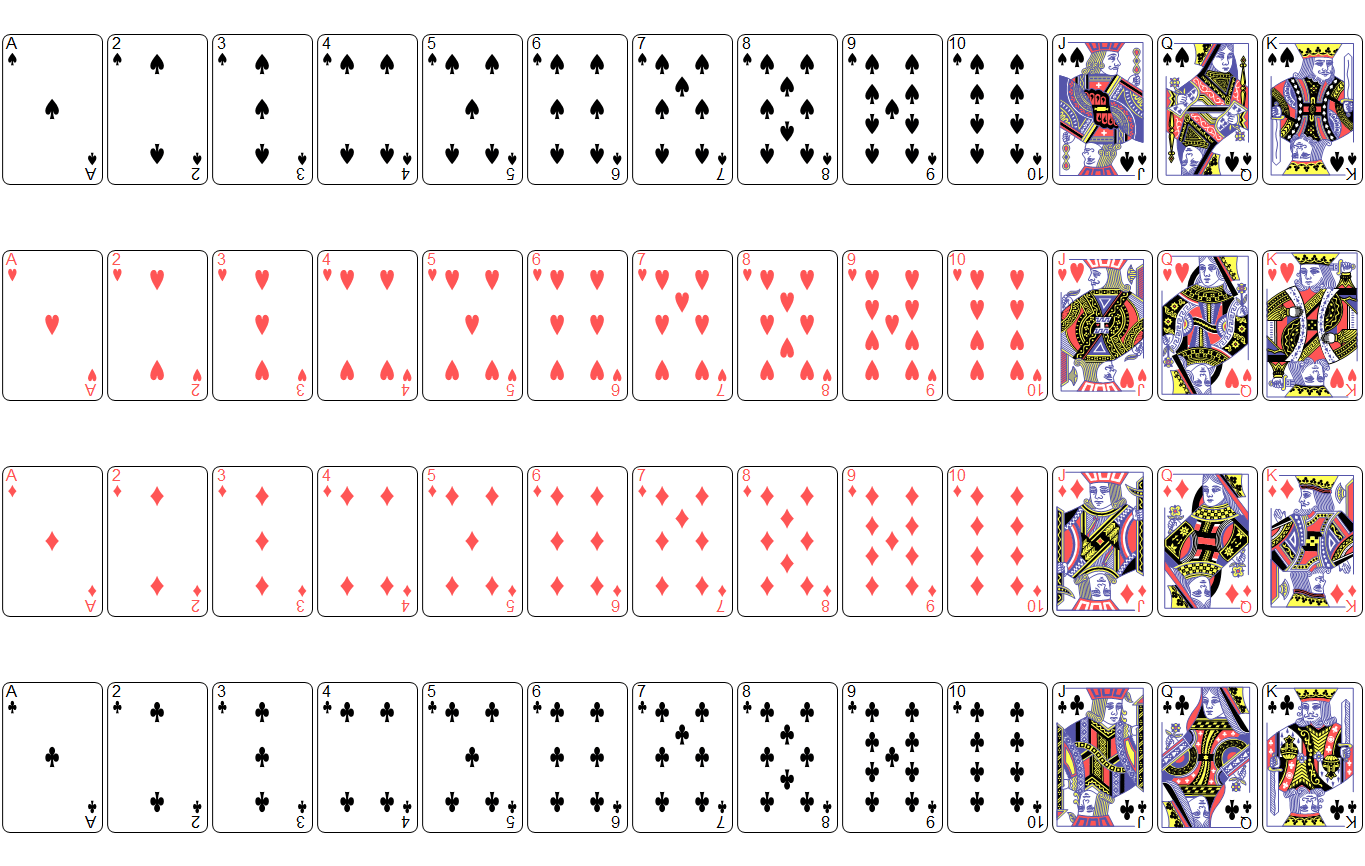
The Complete Overview of Red Cards in a Standard Deck
In a standard deck of 52 playing cards, the red cards consist of 26 cards in total. This composition is evenly split between the two red suits: hearts and diamonds. Each suit contributes 13 cards to the deck, ensuring a balanced representation of red cards in various games.
The distribution of red cards is not arbitrary but follows a structured pattern. In each suit, there are three court cards (King, Queen, and Jack), numbered cards ranging from 2 to 10, and an Ace. This consistent structure across suits maintains fairness and predictability in card games, allowing players to strategize and adapt accordingly.
Historical Background and Evolution
The origins of playing cards can be traced back to the 9th century in China, where paper money was transformed into a gaming tool. Over centuries, these cards evolved, traveling along the Silk Road to Europe and undergoing significant transformations. The introduction of the four-suit system, including the red suits of hearts and diamonds, occurred in the 15th century, marking a pivotal moment in the history of playing cards.
Table of Contents
- The Complete Overview of Red Cards in a Standard Deck
- Historical Background and Evolution
- Core Mechanisms: How It Works
- Key Benefits and Crucial Impact
- Major Advantages
- Comparative Analysis
- Future Trends and Innovations
- Conclusion
- Comprehensive FAQs
- Q: What are the red suits in a standard deck of playing cards?
- Q: Why is the number of red cards important in card games?
- Q: How has the design of playing cards evolved over time?
- Q: Can I customize the number of red cards in a deck?
- Q: What is the future of playing cards with emerging technologies?
The design and composition of modern playing cards are a testament to this rich history. The red suits, in particular, have carried symbolic meanings throughout the ages. Hearts, often associated with love and emotion, have been a consistent symbol across cultures. Diamonds, representing wealth and commerce, have also held a prominent position. These symbolic associations add a layer of depth and intrigue to the simple query of "how many red in a deck of 52 cards."
Core Mechanisms: How It Works
The presence of red cards in a deck serves multiple purposes. Firstly, it provides a visual cue to players, aiding in quick identification and sorting during gameplay. The contrasting colors of red and black suits ensure that players can easily distinguish between them, enhancing the overall gaming experience.
Moreover, the even distribution of red cards ensures that no single color dominates the deck. This balance is crucial for maintaining fairness in games where suit-based hierarchies exist. In games like Bridge or Poker, the equal representation of red cards prevents any inherent bias towards a particular suit, allowing skill and strategy to take center stage.
Key Benefits and Crucial Impact
The careful consideration of red card distribution in a deck of 52 cards offers several advantages to players and game designers alike.
"The art of playing cards lies not only in the games themselves but in the subtle interplay of colors and suits, shaping the very fabric of the gaming experience."
Major Advantages
- Visual Clarity: Red cards provide distinct visual cues, making it easier for players to identify suits and manage their hands during fast-paced games.
- Fair Gameplay: The equal distribution of red cards ensures no suit holds an advantage, promoting fairness and strategic depth in various card games.
- Cultural Significance: The red suits carry historical and symbolic meanings, adding a layer of cultural richness to the gaming experience.
- Versatility: The balanced composition allows for a wide range of games, catering to different preferences and skill levels.
- Strategic Complexity: The presence of red cards influences game dynamics, encouraging players to develop sophisticated strategies and tactics.

Comparative Analysis
| Factor | Red Cards | Black Cards |
|---|---|---|
| Number in 52-Deck | 26 | 26 |
| Suits | Hearts, Diamonds | Spades, Clubs |
| Visual Impact | High Contrast, Vibrant | Subdued, Sophisticated |
| Gameplay Role | Influential in Trick-Taking Games | Strategic in Defensive Plays |
Future Trends and Innovations
As playing cards continue to evolve, the question of "how many red in a deck of 52 cards" remains a fundamental aspect of their design. However, the future holds exciting possibilities for innovation. Customizable decks with variable red card counts could cater to specific game requirements, offering new challenges and experiences.
Additionally, the integration of technology with playing cards may introduce interactive elements. Augmented reality could bring red cards to life, providing unique gaming experiences. These advancements, while transforming the medium, will likely retain the core principles of balance and fairness that have defined playing cards for centuries.

Conclusion
The seemingly simple query of "how many red in a deck of 52 cards" opens a window into the intricate world of playing cards. From their historical evolution to the strategic considerations in game design, red cards play a pivotal role. Understanding their distribution and significance enhances our appreciation for this timeless gaming tool.
As playing cards continue to captivate players across generations, the red suits will remain a vibrant and essential component, shaping the outcomes of countless games and fostering social connections. So, the next time you shuffle a deck, take a moment to reflect on the thoughtful design that lies within.
Comprehensive FAQs
Q: What are the red suits in a standard deck of playing cards?
A: The red suits in a standard 52-card deck are hearts and diamonds. Each suit contributes 13 red cards to the deck.
Q: Why is the number of red cards important in card games?
A: The even distribution of red cards ensures fairness in games where suit hierarchies exist. It prevents any single suit from dominating, allowing skill and strategy to be the primary factors in gameplay.
Q: How has the design of playing cards evolved over time?
A: Playing cards have undergone significant transformations since their origins in China. The introduction of the four-suit system in the 15th century, including hearts and diamonds, was a pivotal moment. Over time, the design has refined to the familiar 52-card deck we know today.
Q: Can I customize the number of red cards in a deck?
A: While standard decks maintain a consistent 26 red cards, custom decks can be created with variable red card counts. This customization can cater to specific game requirements or personal preferences.
Q: What is the future of playing cards with emerging technologies?
A: The integration of technology with playing cards may introduce interactive elements like augmented reality. While transforming the gaming experience, these innovations will likely retain the core principles of balance and fairness that define traditional playing cards.
Leave a Comment
Comments are moderated before appearing. The data you submit is processed according to the Privacy Policy of stanford.edu.