Unraveling the Measure: How Many Lbs in a Quart?

Unraveling the Measure: How Many Lbs in a Quart?
In the realm of culinary arts, science, and everyday cooking, precision in measurements is paramount. The question "how many lbs in a quart?" arises frequently, especially when converting recipes or scaling ingredients. This query delves into the intricate relationship between weight and volume, two fundamental yet distinct aspects of measurement.
Understanding the conversion between pounds (lbs) and quarts is crucial for achieving consistent and delicious results in the kitchen. It's also essential in various industries where materials are measured and sold based on these units. Let's embark on a journey to explore the complete overview of this measurement conundrum.
Whether you're a seasoned chef, a baking enthusiast, or simply curious about the intricacies of measurement, this article will provide you with a comprehensive understanding of how many lbs are in a quart, its historical context, practical applications, and future implications.
The Complete Overview of Quarts to Pounds Conversion
The conversion between quarts and pounds is not a straightforward one, primarily because they measure different aspects of an object. A quart is a unit of volume, typically used to measure liquids, while a pound is a unit of weight or mass. This distinction is crucial, as the weight of a substance can vary depending on its density, even when the volume remains constant.
The relationship between quarts and pounds can be established through the density of a specific substance. For instance, if we are dealing with water, one quart of water weighs approximately 2.20462 pounds at room temperature. However, this conversion factor changes for other substances with different densities.
Historical Background and Evolution
The quart and pound units have evolved over centuries, with their origins rooted in ancient measurement systems. The quart, derived from the French word "quart" meaning "quarter," was historically used to measure liquid volumes, often in the context of beverages and milk.
On the other hand, the pound, with its symbol "lb," traces its origins back to the Roman pound (libra). It has been widely used in various cultures for measuring weight, particularly in trade and commerce. The evolution of these units led to standardized conversions, which are now essential for global trade and everyday use.
Core Mechanisms: How It Works
The conversion between quarts and pounds relies on the concept of density. Density is defined as the mass (or weight) of a substance per unit volume. When we know the density of a specific substance, we can calculate its weight in pounds for a given volume in quarts.
For example, if we have a substance with a density of 1 pound per quart (which is the case for water at a specific temperature), then 2 quarts of this substance would weigh 2 pounds. This simple principle forms the basis of converting how many lbs are in a quart for various materials.
Table of Contents
- Unraveling the Measure: How Many Lbs in a Quart?
- The Complete Overview of Quarts to Pounds Conversion
- Historical Background and Evolution
- Core Mechanisms: How It Works
- Key Benefits and Crucial Impact
- Major Advantages
- Comparative Analysis
- Future Trends and Innovations
- Conclusion
- Comprehensive FAQs
- Q: What is the exact conversion factor for quarts to pounds?
- Q: How do I convert quarts to pounds for baking recipes?
- Q: Are there any common misconceptions about converting quarts to pounds?
- Q: How can I estimate the conversion for substances with unknown density?
- Q: What are some real-world applications of understanding this conversion?

Key Benefits and Crucial Impact
Understanding the conversion of quarts to pounds has significant implications in numerous fields:
"The difference between the right word and the almost right word is really a large matter—it's the difference between lightning and the lightning bug." - Mark Twain
Major Advantages
- Culinary Precision: In cooking and baking, precise measurements are crucial for achieving consistent results. Converting between quarts and pounds allows chefs and home cooks to follow recipes accurately, ensuring the desired texture, taste, and appearance of their dishes.
- Industrial Applications: Industries such as food processing, pharmaceuticals, and chemical manufacturing rely on accurate measurements for quality control and regulatory compliance. Understanding the weight-volume relationship is essential for proper labeling, packaging, and production processes.
- Global Trade: International trade requires standardized measurements to facilitate the exchange of goods. Converting between quarts and pounds enables seamless transactions and ensures that products are accurately represented and priced.
- Scientific Research: In scientific experiments, precise measurements are vital for drawing accurate conclusions. Researchers use the conversion between quarts and pounds to ensure the accuracy of their data and the reproducibility of their results.
- Consumer Awareness: Knowing how to convert between these units empowers consumers to make informed decisions when purchasing products. It helps them understand the quantity and value of what they are buying, especially in bulk or wholesale settings.
Comparative Analysis
| Unit of Measurement | Description and Usage |
|---|---|
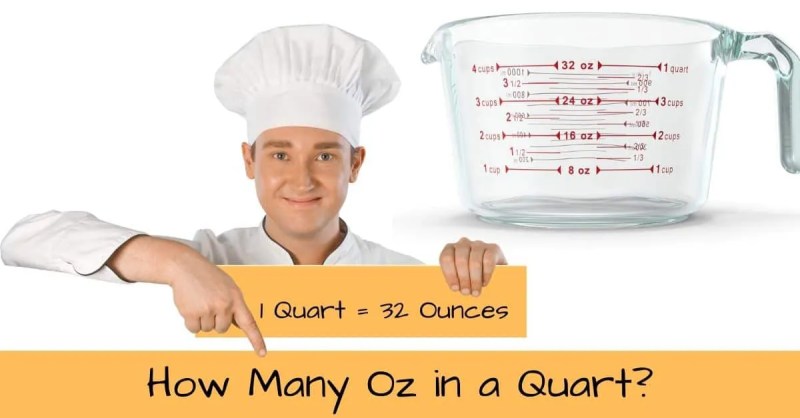
| Quart (qt) | A unit of volume primarily used for measuring liquids. One quart is equal to 32 fluid ounces or approximately 0.946 liters in the metric system. |
| Pound (lb) | A unit of weight or mass widely used in the United States and some other countries. One pound is equal to 16 ounces or approximately 0.454 kilograms in the metric system. |
| Conversion Factor (for water at room temperature) | Approximately 2.20462 lbs/qt. This means one quart of water weighs about 2.2 pounds. |
| Practical Application | Essential for converting recipes, labeling products, and ensuring accuracy in various industries and everyday life. |
Future Trends and Innovations
As technology advances and global standards evolve, the way we approach measurements is also transforming. Here are some future trends and innovations in the realm of quarts to pounds conversion:
- Digital Precision Tools: The development of advanced digital scales and measurement apps allows for more precise and user-friendly conversions. These tools can automatically calculate and display the converted values, reducing the risk of errors.
- Standardization and Global Harmonization: Efforts to standardize measurement systems worldwide will further simplify the conversion process. The gradual adoption of the metric system in various countries will make conversions between quarts and kilograms (or liters and pounds) more common and straightforward.
- Artificial Intelligence in Recipes: AI-powered recipe platforms and cooking assistants can dynamically convert measurements based on user preferences and available ingredients. This technology will make cooking and baking more accessible and adaptable to individual needs.
Conclusion
The question "how many lbs in a quart?" encompasses a complex yet fascinating aspect of measurement. Understanding the relationship between quarts and pounds is essential for culinary arts, industry, trade, and scientific research. By recognizing the role of density and the historical evolution of these units, we can appreciate the precision required in various applications.
As we look to the future, technological advancements and global standardization efforts will continue to shape how we measure and convert units. Whether you're a professional chef, a scientist, or an everyday consumer, knowing the answer to "how many lbs in a quart" empowers you to make accurate measurements and informed decisions.
Comprehensive FAQs
Q: What is the exact conversion factor for quarts to pounds?
A: The conversion factor depends on the substance's density. For water at room temperature, it is approximately 2.20462 pounds per quart. For other substances, the conversion factor will vary based on their specific density.
Q: How do I convert quarts to pounds for baking recipes?
A: In baking, accuracy is crucial. Use a reliable conversion factor based on the ingredient's density. For example, if a recipe calls for 2 quarts of water, you would need approximately 4.40924 pounds (2 quarts x 2.20462 lbs/qt) of water.
Q: Are there any common misconceptions about converting quarts to pounds?
A: Yes, a common misconception is that the conversion factor is always 2 lbs per quart. This is only true for water at a specific temperature. For other substances, the conversion can vary significantly.
Q: How can I estimate the conversion for substances with unknown density?
A: If you don't know the density of a substance, you can approximate it by looking up the densities of similar materials or using reference tables. Online resources and measurement apps can also provide estimated conversion factors.
Q: What are some real-world applications of understanding this conversion?
A: This conversion is essential in various industries, such as food processing, where accurate labeling and packaging are required. It's also crucial in scientific research for precise experimentation and in international trade for seamless transactions.
Leave a Comment
Comments are moderated before appearing. The data you submit is processed according to the Privacy Policy of stanford.edu.