How Long Do New Refrigerators Take to Get Cold? Unlocking the Chilling Process
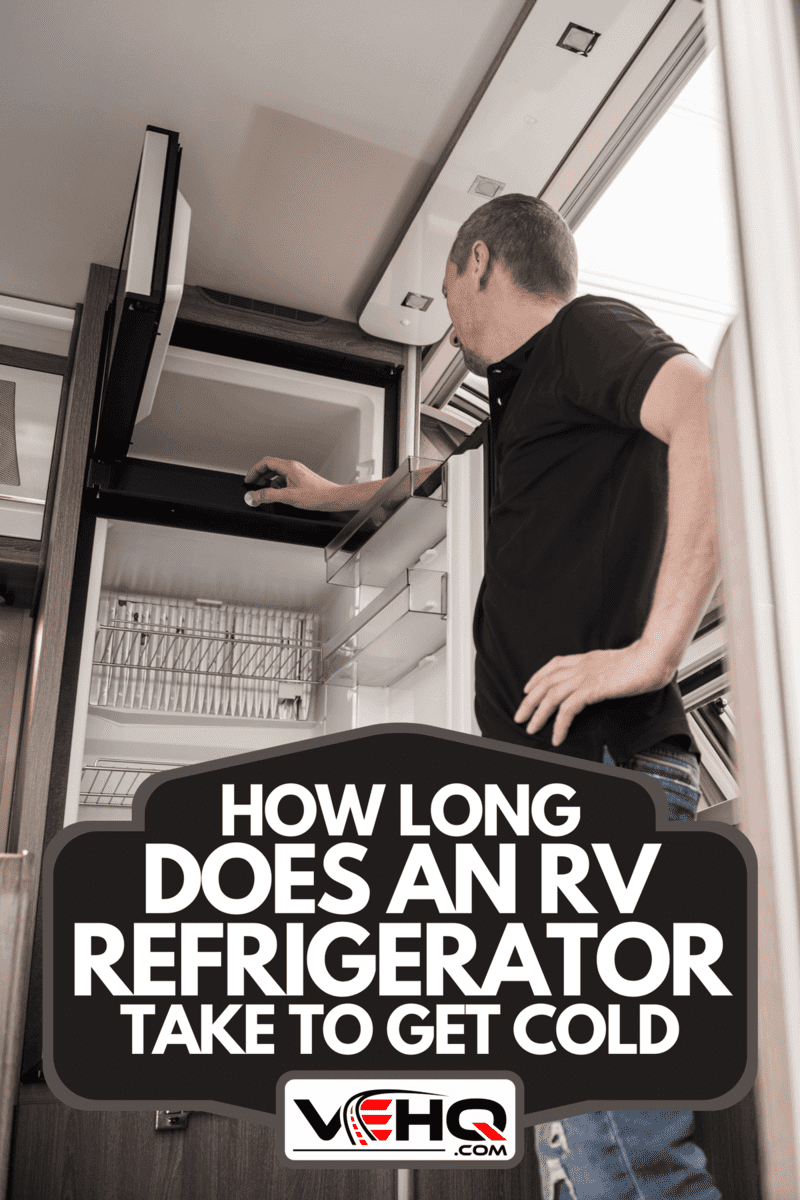
The Complete Overview of How Long New Refrigerators Take to Get Cold
When you bring home a new refrigerator, the question of how long it takes to get cold is paramount. This isn't merely about impatience; understanding the cooling process is crucial for proper food storage and appliance maintenance. The time it takes for a new refrigerator to reach optimal cooling temperatures can vary based on several factors, from the size of the fridge to the ambient room temperature. This comprehensive guide delves into the science, history, and future of refrigerator cooling, answering the pressing question: how long do new refrigerators take to get cold?
Historical Background and Evolution
The journey to modern refrigeration began in the early 19th century, with the invention of ice-making machines and the first crude cooling systems. By the 1920s, electrically powered refrigerators became more common in households, replacing iceboxes. These early models relied on toxic cooling compounds and were far less efficient than today's appliances. The development of safer, more environmentally friendly refrigerants and the introduction of insulation advancements have significantly improved the cooling efficiency and speed of modern refrigerators.
Throughout the 20th century, technological innovations led to the integration of thermostats, automatic defrosting systems, and adjustable temperature controls. The evolution of smart refrigerators in recent years has further enhanced our ability to monitor and control cooling temperatures remotely. Understanding this historical context is essential to appreciating the current state of refrigerator cooling technology and the factors that influence how long new refrigerators take to get cold.
Core Mechanisms: How It Works
At its core, the cooling process in a refrigerator relies on the principles of heat exchange and phase transitions. Refrigerators use a refrigerant, which circulates within a sealed system, to absorb and remove heat from the interior of the fridge. This process involves four main components: the compressor, condenser, expansion valve, and evaporator.The compressor pressurizes the refrigerant gas, raising its temperature. This hot gas then flows to the condenser coils, typically located on the back or bottom of the refrigerator, where it releases heat to the surrounding environment, condensing into a liquid. The expansion valve reduces the pressure of the liquid refrigerant, causing it to cool down significantly. The cold liquid then travels to the evaporator coils inside the refrigerator, where it absorbs heat from the interior, cooling the air and maintaining the desired temperature.
Key Benefits and Crucial Impact
The swift and efficient cooling of a new refrigerator is not just a matter of convenience; it has profound implications for food safety and preservation. Understanding how long new refrigerators take to get cold is crucial for ensuring that perishable items are stored at safe temperatures from the moment they are placed inside."Proper refrigeration is essential for maintaining the quality and safety of food. Knowing how long your new refrigerator takes to get cold can help you manage food storage more effectively, reducing waste and minimizing the risk of foodborne illnesses."
Major Advantages
- Food Safety: Rapid cooling helps to slow the growth of bacteria, ensuring that food remains safe to consume for longer periods.
- Food Quality: Efficient cooling maintains the freshness, texture, and nutritional value of food by minimizing the deterioration caused by temperature fluctuations.
- Energy Efficiency: Modern refrigerators are designed to cool down quickly while consuming less energy, thanks to advancements in insulation and cooling technology.
- Convenience: Knowing the cooling timeline allows users to plan grocery shopping and food storage more effectively.
- Environmental Impact: Faster cooling times can lead to less food waste, contributing to a more sustainable lifestyle.

Comparative Analysis
| Factor | Small Refrigerator (10-15 cu. ft.) | Medium Refrigerator (15-20 cu. ft.) | Large Refrigerator (20+ cu. ft.) |
|---|---|---|---|
| Cooling Time (from room temperature) | 2-4 hours | 3-6 hours | 4-8 hours |
| Energy Consumption (initial cooling) | Low | Moderate | High |
| Temperature Stability | Good | Very Good | Excellent |
| Price | Affordable | Moderate | High-end |
Future Trends and Innovations
As technology continues to advance, we can expect further improvements in refrigerator cooling efficiency and speed. Smart refrigerators equipped with advanced sensors and AI-driven temperature control systems are poised to become the norm. These innovative appliances will not only cool down faster but also adapt to usage patterns, optimizing energy consumption and food preservation.Moreover, the development of eco-friendly refrigerants and materials will contribute to more sustainable refrigeration solutions. Future refrigerators may incorporate nanotechnology for enhanced insulation or utilize novel cooling methods inspired by natural processes, reducing energy consumption and environmental impact.
Table of Contents
- The Complete Overview of How Long New Refrigerators Take to Get Cold
- Historical Background and Evolution
- Core Mechanisms: How It Works
- Key Benefits and Crucial Impact
- Major Advantages
- Comparative Analysis
- Future Trends and Innovations
- Conclusion
- Comprehensive FAQs
- Q: What factors affect how long a new refrigerator takes to get cold?
- Q: How can I speed up the cooling process of my new refrigerator?
- Q: Is it normal for a new refrigerator to take several hours to get cold?
- Q: How often should I check the temperature of my new refrigerator?
- Q: Can I store food in my new refrigerator right after plugging it in?

Conclusion
The question of how long new refrigerators take to get cold is a practical one with significant implications for food safety, quality, and energy efficiency. Understanding the historical evolution, core mechanisms, and comparative analysis of refrigerator cooling times empowers consumers to make informed decisions when purchasing new appliances. As we look to the future, ongoing innovations in refrigeration technology promise even faster cooling times and more sustainable food storage solutions.Comprehensive FAQs
Q: What factors affect how long a new refrigerator takes to get cold?
A: Several factors influence the cooling time of a new refrigerator, including its size, insulation efficiency, ambient room temperature, and the initial temperature of the food and beverages inside.
Q: How can I speed up the cooling process of my new refrigerator?
A: To expedite the cooling process, ensure the refrigerator is level and well-ventilated. Remove any obstructions around the condenser coils, and if possible, place the refrigerator in a cooler room. Additionally, avoid overfilling the fridge initially, as this can prolong the cooling time.
Q: Is it normal for a new refrigerator to take several hours to get cold?
A: Yes, it is perfectly normal for a new refrigerator to take several hours to reach its optimal cooling temperature, especially if it is a larger model or the room temperature is high. Most refrigerators are designed to cool down within a range of 2 to 8 hours from room temperature.
Q: How often should I check the temperature of my new refrigerator?
A: It's a good practice to check the temperature of your new refrigerator within the first 24 hours to ensure it is within the recommended range (35°F - 38°F or 1.7°C - 3.3°C for the fresh food compartment). After that, periodic checks once a month are sufficient, or whenever you notice any unusual behavior or changes in food quality.
Q: Can I store food in my new refrigerator right after plugging it in?
A: It's best to wait until the refrigerator has had time to cool down properly before storing perishable food. While the exact time varies, it's generally safe to start storing food after the first 2-4 hours. To be certain, check the internal temperature with a thermometer before adding perishable items.
Leave a Comment
Comments are moderated before appearing. The data you submit is processed according to the Privacy Policy of stanford.edu.