Unveiling the Protection: How Does Umbrella Insurance Work?
In a world where unforeseen events can have significant financial repercussions, understanding how umbrella insurance works is crucial for those seeking comprehensive personal liability coverage. This policy, often viewed as a safety net, offers an additional layer of protection beyond standard liability limits. Let's explore the ins and outs of umbrella insurance, its historical context, and its evolving role in modern risk management.
Imagine a scenario where a simple accident leads to a lawsuit with potential damages exceeding your primary insurance limits. This is where umbrella insurance steps in, providing a financial shield against such catastrophic outcomes. As we delve into the intricacies of this coverage, we'll uncover why it's a valuable consideration for individuals and families aiming to safeguard their assets and financial well-being.
In the following comprehensive overview, we'll navigate through the historical background, core mechanisms, and key benefits of umbrella insurance. Additionally, we'll explore its comparative advantages and delve into future trends shaping this vital aspect of personal risk management.
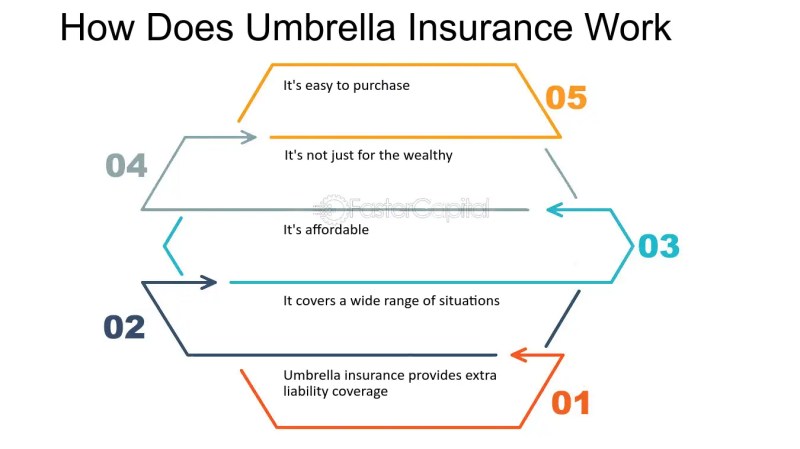
The Complete Overview of Umbrella Insurance
Umbrella insurance, also known as excess liability insurance, is a form of coverage designed to protect policyholders from major financial losses due to lawsuits and other liability claims. It acts as an extension of your standard liability insurance policies, such as home or auto insurance, providing an extra layer of protection when the limits of those policies are exhausted.
The primary purpose of umbrella insurance is to safeguard your assets and financial stability in the event of a significant judgment or settlement against you. This coverage kicks in when the liability limits of your primary insurance policies are insufficient to cover the full extent of the claim, ensuring that you are not left financially vulnerable.
Historical Background and Evolution
The concept of umbrella insurance has its roots in the early 20th century when individuals with substantial assets sought additional protection against potential liabilities. Initially, this coverage was tailored primarily for the wealthy, offering a means to shield their extensive holdings from legal claims. Over time, as legal systems evolved and the complexity of personal liability increased, umbrella insurance became more accessible and relevant to a broader range of individuals.
Table of Contents
- The Complete Overview of Umbrella Insurance
- Historical Background and Evolution
- Core Mechanisms: How Umbrella Insurance Works
- Key Benefits and Crucial Impact
- Major Advantages
- Comparative Analysis
- Future Trends and Innovations
- Conclusion
- Comprehensive FAQs
- Q: Who needs umbrella insurance?
- Q: How much umbrella insurance do I need?
- Q: Does umbrella insurance cover all types of liability?
- Q: Can umbrella insurance be used for legal defense costs?
- Q: How do I purchase umbrella insurance?
The 1970s and 1980s witnessed a significant expansion in the scope of umbrella insurance, driven by an increase in personal injury lawsuits and rising damage awards. Insurance companies recognized the growing need for enhanced liability coverage and began offering umbrella policies with higher limits and more comprehensive protections. This evolution made umbrella insurance a valuable tool for middle-class families seeking to protect their assets and future earnings.
Core Mechanisms: How Umbrella Insurance Works
At its core, umbrella insurance operates as a secondary layer of liability coverage, activating only after the limits of your primary insurance policies have been reached. When a claim exceeds these primary limits, your umbrella policy steps in to cover the remaining amount, up to its own policy limits.
The process typically involves the following steps: First, a claim is made against you, alleging bodily injury, property damage, or other forms of liability. Your primary insurance policy will cover the initial claim up to its liability limit. If the damages exceed this limit, your umbrella insurance becomes the next line of defense. It will cover the difference between the primary policy limit and the actual claim amount, ensuring that you are protected from significant out-of-pocket expenses.
Key Benefits and Crucial Impact
Umbrella insurance offers a range of critical benefits that can have a profound impact on an individual's financial security and peace of mind.
As the saying goes,
"The best defense is a good offense,"and in the context of personal liability, umbrella insurance serves as a proactive measure to fortify your financial defenses.
Major Advantages
- Enhanced Liability Protection: Umbrella insurance significantly increases your overall liability coverage, providing an additional layer of protection against lawsuits and claims.
- Asset Protection: By covering excess claims, this policy safeguards your personal assets, including your home, savings, and future earnings, from being seized to satisfy a judgment.
- Legal Defense Costs: In the event of a lawsuit, umbrella insurance can cover the costs of legal representation, which can be substantial, ensuring you have access to quality legal counsel.
- Peace of Mind: Knowing you have extensive liability coverage allows you to navigate daily life with greater confidence, knowing you're prepared for unexpected events.
- Customizable Coverage: Umbrella policies can be tailored to your specific needs, offering flexibility in coverage limits and addressing unique liability concerns.

Comparative Analysis
| Aspect | Standard Liability Insurance | Umbrella Insurance |
|---|---|---|
| Coverage Limits | Typically lower, offering basic protection. | Much higher limits, providing extensive coverage. |
| Cost | Generally more affordable, but may not cover large claims. | Higher premiums, but offers significant financial protection. |
| Activation | Covers claims within policy limits from the start. | Activates only after primary policy limits are exhausted. |
| Scope | Limited to specific policies (e.g., auto, home). | Broadens coverage across multiple liability areas. |
Future Trends and Innovations
The world of umbrella insurance is not static; it continues to evolve in response to changing legal landscapes, technological advancements, and shifting consumer needs. As we look ahead, several trends are shaping the future of this critical coverage.
One notable trend is the increasing importance of cyber liability coverage. With the rise of digital connectivity, individuals are more susceptible to cyber-related risks, such as data breaches and online defamation. Umbrella insurance policies are adapting to include cyber liability coverage, protecting policyholders from these modern threats. This expansion ensures that personal liability protection keeps pace with the digital age.
Additionally, there is a growing emphasis on personalized risk assessments and tailored coverage. Insurance providers are leveraging advanced analytics and data-driven insights to offer customized umbrella policies. By considering an individual's unique lifestyle, assets, and potential liability exposures, insurers can provide more precise and comprehensive protection, ensuring that policyholders only pay for the coverage they truly need.

Conclusion
Umbrella insurance stands as a vital component of a comprehensive risk management strategy, offering a robust safety net against financial devastation resulting from liability claims. Understanding how umbrella insurance works is essential for individuals seeking to protect their assets and future earnings. With its ability to provide enhanced liability protection, cover legal expenses, and safeguard personal wealth, this coverage has become an indispensable tool in the modern financial landscape.
As the saying goes, "Hope for the best, but prepare for the worst." Umbrella insurance embodies this philosophy, empowering individuals to navigate life's uncertainties with confidence and financial security.
Comprehensive FAQs
Q: Who needs umbrella insurance?
A: Umbrella insurance is valuable for anyone with significant assets or a high potential for liability exposure. This includes homeowners, professionals, business owners, and individuals with substantial savings or investments. Essentially, if you have more to lose financially, umbrella insurance provides an extra layer of protection.
Q: How much umbrella insurance do I need?
A: The amount of umbrella insurance you need depends on your personal circumstances and risk tolerance. A common recommendation is to have umbrella coverage equal to at least twice the value of your net worth. However, this can vary based on factors like your profession, lifestyle, and the level of risk you're comfortable assuming.
Q: Does umbrella insurance cover all types of liability?
A: Umbrella insurance typically covers a wide range of personal liability exposures, including bodily injury, property damage, personal injury (such as libel or slander), and certain business-related liabilities. However, it's important to review the policy details, as coverage may vary, and certain exclusions may apply.
Q: Can umbrella insurance be used for legal defense costs?
A: Yes, one of the significant benefits of umbrella insurance is that it can cover legal defense costs in the event of a lawsuit. This includes attorney fees and other associated expenses, providing you with access to quality legal representation without depleting your assets.
Q: How do I purchase umbrella insurance?
A: Umbrella insurance is typically purchased through insurance companies or agents. It is often offered as an add-on to your existing home or auto insurance policy. When considering a purchase, it's advisable to shop around, compare policies, and consult with insurance professionals to find the best coverage for your specific needs and budget.
Leave a Comment
Comments are moderated before appearing. The data you submit is processed according to the Privacy Policy of stanford.edu.