How Do You Keep Dogs From Peeing on Carpet: Effective Strategies and Solutions

The Complete Overview of How Do You Keep Dogs From Peeing on Carpet
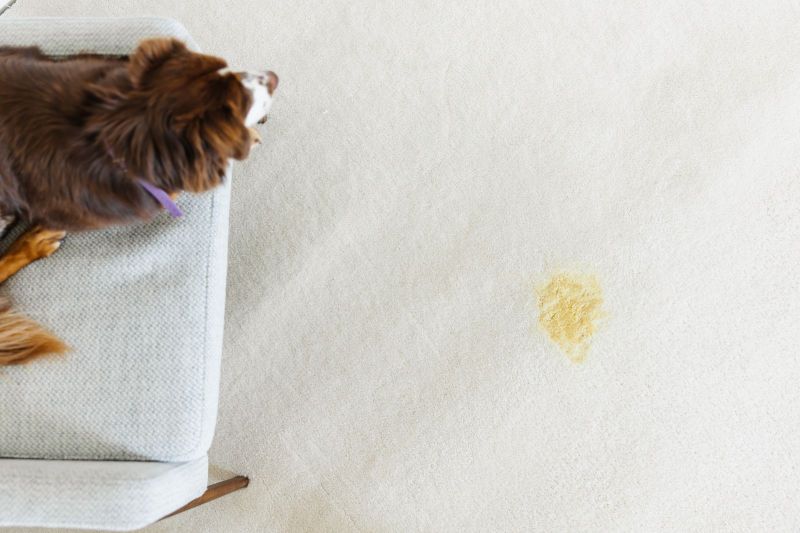
Dealing with dogs peeing on the carpet is a common challenge faced by many pet owners. This issue not only leads to unsanitary conditions but also causes significant damage to your flooring and furniture. Understanding why dogs engage in this behavior and implementing effective strategies to address it are crucial for maintaining a clean and harmonious living environment. This comprehensive guide explores the root causes behind dogs peeing on carpets and presents a multitude of solutions to prevent this problematic behavior.
Historical Background and Evolution
Throughout history, humans have domesticated dogs for various purposes, from hunting companions to loyal family pets. As dogs have become integral members of our households, expectations for their behavior and cleanliness have also evolved. In the past, addressing canine misbehavior often involved punitive measures, which are now largely recognized as ineffective and inhumane. Modern approaches to preventing dogs from peeing on carpets focus on positive reinforcement, behavioral understanding, and environmental modifications.
Historically, carpeting served more as a decorative element than a functional one. However, with the advent of central heating and the desire for cozy indoor spaces, carpets became ubiquitous in homes. This shift increased the need for effective pet training and protection methods, leading to the development of various strategies and products aimed at preventing carpet soiling.
Core Mechanisms: How It Works
Preventing dogs from peeing on carpets involves a combination of training techniques, environmental management, and, in some cases, medical intervention. The key mechanisms at play include:1. Positive Reinforcement Training: Rewarding desired behaviors (such as eliminating outdoors) encourages dogs to repeat those actions. Treats, praise, and playtime can be powerful motivators.
2. Consistency and Scheduling: Establishing a consistent feeding and potty schedule helps regulate your dog's elimination patterns, making it easier to predict and manage their bathroom needs.
3. Environmental Modification: Creating a carpet-free zone or using deterrents can discourage dogs from eliminating on carpets. Products like bitter apple spray or specialized pet training aids can be effective.
Table of Contents
- The Complete Overview of How Do You Keep Dogs From Peeing on Carpet
- Historical Background and Evolution
- Core Mechanisms: How It Works
- Key Benefits and Crucial Impact
- Major Advantages
- Comparative Analysis
- Future Trends and Innovations
- Conclusion
- Comprehensive FAQs
- Q: What are the first steps to take when my dog starts peeing on the carpet?
- Q: How often should I take my dog outside to prevent accidents?
- Q: Are there any products that can help remove the smell of dog urine from carpets?
- Q: Can anxiety cause my dog to pee on the carpet?
- Q: How long does it typically take to train a dog not to pee on the carpet?
4. Medical Management: In some cases, underlying medical conditions (such as urinary tract infections or hormonal imbalances) may cause inappropriate elimination. Veterinary intervention and appropriate treatment can resolve these issues.
Key Benefits and Crucial Impact
Addressing the issue of dogs peeing on carpets has significant benefits for both pet owners and their canine companions. A clean, odor-free home environment enhances living conditions and reduces stress for the entire family. Moreover, effective training and management strategies contribute to the overall well-being and behavioral health of the dog."The human-animal bond is strengthened when we provide our pets with the care and training they need to thrive in our homes." - Dr. Karen Overall, Veterinary Behaviorist
Major Advantages
- Improved Hygiene: Preventing carpet soiling eliminates unpleasant odors and reduces the risk of disease transmission.
- Cost Savings: Avoiding carpet replacement and professional cleaning saves money in the long run.
- Enhanced Bonding: Training your dog through positive reinforcement strengthens the relationship between you and your pet.
- Behavioral Health: Addressing underlying issues that contribute to inappropriate elimination can improve your dog's overall well-being.
- Increased Convenience: A well-trained dog with consistent elimination habits simplifies your daily routine and makes travel or outings more manageable.

Comparative Analysis
| Method | Effectiveness | Ease of Implementation | Cost | Impact on Dog's Well-being |
|---|---|---|---|---|
| Positive Reinforcement Training | High | Moderate | Low to Moderate | Positive |
| Environmental Modification | Moderate | Easy | Low | Neutral |
| Medical Intervention | High | Moderate | Moderate to High | Positive (addresses underlying health issues) |
| Punitive Measures | Low | Difficult | Low | Negative (can lead to fear, anxiety, or aggression) |
Future Trends and Innovations
As our understanding of canine behavior and learning processes continues to evolve, so do the methods and tools available to address challenges like dogs peeing on carpets. Future trends in this area are likely to include:- Advanced Technology: Smart pet training devices and apps that utilize AI to personalize training programs and monitor progress in real-time.
- Personalized Nutrition: Customized diets formulated to optimize digestive health and reduce instances of inappropriate elimination.
- Behavioral Therapy: Increased integration of evidence-based behavioral therapy techniques to address underlying anxiety, fear, or stress that may contribute to house-soiling.
- Eco-Friendly Solutions: Development of sustainable, non-toxic deterrents and cleaning products that are safe for both pets and the environment.
Conclusion
Preventing dogs from peeing on carpets requires a multifaceted approach that combines training, environmental management, and, when necessary, medical intervention. By understanding the root causes of this behavior and implementing effective strategies, pet owners can create a clean, healthy, and harmonious living environment for both themselves and their canine companions. As we continue to learn and innovate, the future holds even more promising solutions to this common challenge.Comprehensive FAQs
Q: What are the first steps to take when my dog starts peeing on the carpet?
A: The initial steps involve identifying the root cause (e.g., medical issue, lack of training, or environmental factors) and addressing it accordingly. Start by consulting a veterinarian to rule out any health concerns, then implement a structured training program with positive reinforcement and consider using deterrents to discourage carpet elimination.
Q: How often should I take my dog outside to prevent accidents?
A: Puppies should be taken out every one to two hours, as well as first thing in the morning, after meals, and before bedtime. Adult dogs can typically hold it for longer periods but should still be given regular opportunities to eliminate outside, especially after being crated or during times of increased water intake.
Q: Are there any products that can help remove the smell of dog urine from carpets?
A: Yes, enzymatic cleaners are specifically designed to break down and neutralize pet urine odors. It's crucial to use products that contain enzymes to effectively eliminate the smell and prevent your dog from being attracted to the area again.
Q: Can anxiety cause my dog to pee on the carpet?
A: Yes, anxiety or stress can lead to inappropriate elimination in dogs. Common triggers include loud noises, separation anxiety, or changes in the home environment. Identifying and addressing the source of anxiety through behavioral modification techniques or consultation with a veterinary behaviorist can help resolve the issue.
Q: How long does it typically take to train a dog not to pee on the carpet?
A: The time required to train a dog varies depending on the individual dog's learning curve, the severity of the issue, and the consistency of the training program. With dedicated effort and positive reinforcement techniques, most dogs can learn within a few weeks to a few months. Patience and persistence are key to successful training.
Leave a Comment
Comments are moderated before appearing. The data you submit is processed according to the Privacy Policy of stanford.edu.