
Head Centered Neglect is a neurological issue that often follows a brain injury or stroke, causing attention to be biased toward the right side. In this article, we explain what Head Centered Neglect is, how to recognize its signs, and practical steps for assessment and care.
Key Points
- Head Centered Neglect typically follows damage to the right hemisphere and biases attention toward the right, leaving the left side unattended.
- The deficit is an attentional and perceptual issue rather than a simple loss of vision; a person may see the left side but not acknowledge it.
- Early recognition by family members and clinicians can improve safety, guide rehabilitation, and support better outcomes.
- Assessment combines bedside tests and real-life observations to identify how neglect affects daily tasks.
- Effective management uses targeted therapies, scanning strategies, and environmental adaptations to support independence.
What Is Head Centered Neglect?
Head Centered Neglect refers to a bilateral spatial attention deficit where individuals fail to attend to stimuli on the left side of space, even though their eyes and ears may function normally. This condition is most commonly seen after injuries to the right hemisphere of the brain, particularly in regions involved with spatial processing. The result is a tendency to ignore objects, people, or events located to the left of the midline, with varying degrees of severity across tasks and environments.
Recognizing Signs in Daily Life
Observing everyday behavior can help identify Head Centered Neglect. Common indicators include ignoring foods on the left side of a plate, failing to shave or apply makeup on the left side, bumping into furniture or walls on the left, and reading or writing that starts at the right side of a page. Safety concerns often emerge with activities like driving, cooking, or navigating a room, where objects on the left are missed or overlooked.
Diagnosis and Assessment
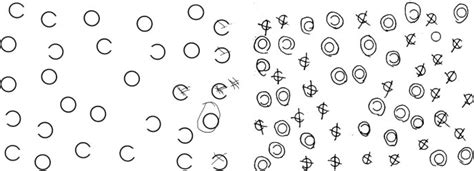
Diagnosis typically involves a multidisciplinary team, with neurologists, occupational therapists, and neuropsychologists conducting a series of tests. Standard assessments may include line bisection, cancellation tasks, and functional observations during daily activities. Rating scales, such as those used in rehabilitation settings, help quantify the level of left-sided inattention and track changes over time.
Care and Rehabilitation

Rehabilitation for Head Centered Neglect focuses on retraining attention to the left side and creating strategies to compensate in daily life. Common approaches include structured scanning training, cueing techniques to prompt leftward exploration, prism adaptation therapy, and task-specific practice in real-world settings. Environmental adjustments—such as arranging essential items on the left or at eye level—can support safer independence during recovery.
What causes Head Centered Neglect and who is at risk?
+Head Centered Neglect most often results from damage to the right hemisphere of the brain, commonly after a stroke or traumatic brain injury. People with parietal lobe involvement or diffuse brain injuries may also experience neglect. Risk increases with events that disrupt spatial attention pathways, but the exact pattern can vary between individuals.
How is Head Centered Neglect diagnosed?
+Diagnosis is usually made by a clinician through a combination of bedside tests and observation. Clinicians may use line bisection, cancellation tasks, and functional assessments to measure left-sided attention. Family observations during daily activities are also valuable for understanding real-world impact.
What are practical signs I should look for at home?
+Practical signs include consistently ignoring people or objects on the left, failing to notice food on the left side of a plate, misplacing items to the left, and difficulty navigating rooms or doorways due to not attending to the left space. If several of these signs appear, a professional assessment is warranted.
Can Head Centered Neglect improve with therapy?
+Yes, many people show meaningful improvement with targeted rehabilitation. Interventions like visual scanning training, cueing strategies, and practice in real-life tasks can help retrain attention to the left. In some cases, adjunct therapies such as prism adaptation can support gains, especially when combined with ongoing daily practice.