A Comprehensive Look at the Pain and Physiology Behind a Guy Getting Kicked in the Balls

The Complete Overview of a Guy Getting Kicked in the Balls
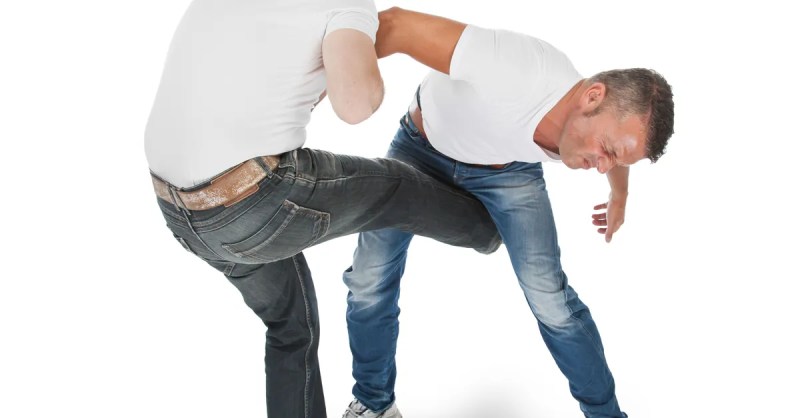
The experience of a guy getting kicked in the balls is an intense and often debilitating event. The immediate effects can range from sharp, excruciating pain to nausea, vomiting, and even loss of consciousness. This trauma can also lead to a variety of long-term health issues, including chronic pain, fertility problems, and psychological trauma. Understanding the full spectrum of effects is crucial for both prevention and effective management.
Historical Background and Evolution
Throughout history, the male reproductive system has been recognized as a vulnerable area in physical conflict. Ancient texts from various cultures document the use of kicks and strikes to this region in combat and self-defense. For example, the medieval European martial art of quarterstaff fighting included techniques specifically designed to target the testicles. Similarly, in traditional Asian martial arts, strikes to the groin area, known as "kicks below the belt," were often employed as a quick and effective means of incapacitating an opponent.
Despite the historical awareness of the sensitivity of this region, the scientific understanding of the physiological mechanisms behind the pain and potential damage has evolved significantly over time. Modern research has shed light on the intricate neural pathways, hormonal responses, and long-term health implications associated with testicular trauma, leading to improved medical interventions and preventive strategies.
Core Mechanisms: How It Works
When a guy is kicked in the balls, the impact forces the testicles to accelerate and decelerate rapidly within the scrotum. This sudden movement can cause a variety of immediate injuries, including bruising, tearing of the tunica vaginalis (the membrane surrounding the testicle), and even rupture of the testicle itself. The pain is primarily mediated by the activation of nociceptors—specialized nerve endings that detect and transmit pain signals. These nociceptors are abundant in the testicles and scrotum, ensuring that even minor trauma is registered as intense pain by the brain.In addition to the direct physical damage, a kick in the balls can trigger a systemic hormonal response. The testicles are the primary source of testosterone, the male sex hormone. Trauma to this region can disrupt the normal production and release of testosterone, leading to a temporary or, in severe cases, permanent decrease in hormone levels. This hormonal imbalance can contribute to a range of symptoms, including decreased libido, mood changes, and muscle weakness.
Key Benefits and Crucial Impact
Understanding the mechanisms behind a guy getting kicked in the balls offers valuable insights into the importance of protecting this vulnerable area. The immediate and long-term effects of such trauma highlight the crucial role of the male reproductive system in overall health and well-being."The male reproductive system is a complex and delicate network of organs and tissues that are essential not only for fertility but also for maintaining hormonal balance and overall health."
Major Advantages of Understanding and Preventing Testicular Trauma
- Improved Pain Management: Knowledge of the physiological mechanisms behind the pain can lead to more effective pain management strategies, ensuring that individuals who experience this trauma receive prompt and appropriate treatment.
- Enhanced Fertility Preservation: Awareness of the potential for fertility issues following testicular trauma can prompt early intervention and fertility preservation techniques, such as sperm banking, which can be crucial for men facing cancer treatments or other medical conditions that may affect their reproductive capabilities.
- Better Psychological Support: Recognizing the psychological impact of such an event can facilitate the provision of mental health support to help individuals cope with the emotional trauma associated with the experience.
- Informed Athletic Training: In sports where the risk of groin injuries is high, understanding the mechanics of testicular trauma can guide the development of protective gear and training methods that minimize the risk of such injuries.
- Advancements in Medical Care: Continued research in this area can lead to innovative medical interventions, such as improved surgical techniques for testicular injuries and novel therapies for hormone replacement and pain management.
Comparative Analysis
| Aspect | Guy Getting Kicked in the Balls | Other Common Sports Injuries |
|---|---|---|
| Pain Intensity | Often described as the most intense physical pain | Varies; some can be severe, but generally less intense |
| Long-Term Effects | Potential fertility issues, chronic pain, hormonal imbalances | Varies; can include joint damage, muscle atrophy, chronic pain |
| Prevention Methods | Protective cups, proper athletic training, avoiding high-risk situations | Stretching, strengthening exercises, proper technique, protective gear |
| Treatment Approaches | Pain management, surgical intervention if necessary, hormone replacement therapy | RICE method (Rest, Ice, Compression, Elevation), physical therapy, surgery in severe cases |
Future Trends and Innovations
The field of male reproductive health is continually evolving, with ongoing research and technological advancements offering promising prospects for the future. In the context of testicular trauma, several trends and innovations are poised to make a significant impact:- Advanced Protective Gear: The development of smarter, more effective protective cups and athletic wear that incorporate impact-absorbing materials and biomechanical designs to minimize the force of impacts to the groin area.
- Personalized Medicine Approaches: Tailoring treatments to individual patients based on their specific injuries and hormonal profiles, potentially including personalized hormone replacement therapies and targeted pain management strategies.
- Regenerative Medicine Techniques: Exploring the use of stem cells and other regenerative therapies to promote the healing of damaged testicular tissue and restore fertility in cases of severe trauma.
- Enhanced Psychological Support: Integrating mental health services into the standard care protocols for testicular trauma to address the psychological impact of the injury and facilitate a holistic recovery process.
Table of Contents
- The Complete Overview of a Guy Getting Kicked in the Balls
- Historical Background and Evolution
- Core Mechanisms: How It Works
- Key Benefits and Crucial Impact
- Major Advantages of Understanding and Preventing Testicular Trauma
- Comparative Analysis
- Future Trends and Innovations
- Conclusion
- Comprehensive FAQs
- Q: What are the immediate effects of a guy getting kicked in the balls?
- Q: Can a kick in the balls cause long-term damage?
- Q: How can testicular trauma be prevented?
- Q: What should I do if I experience a kick in the balls?
- Q: Are there any specific exercises or therapies to help recover from testicular trauma?

Conclusion
A guy getting kicked in the balls is more than just a painful experience; it is a complex physiological event with potentially far-reaching consequences. Understanding the anatomy, mechanics, and impacts of testicular trauma is crucial for both prevention and effective management. From historical perspectives to future innovations, this article has provided a comprehensive overview of the science behind this phenomenon, highlighting the importance of ongoing research and awareness in safeguarding male reproductive health.Comprehensive FAQs
Q: What are the immediate effects of a guy getting kicked in the balls?
A: The immediate effects can include intense pain, nausea, vomiting, and even temporary loss of consciousness. The pain is often described as excruciating and can radiate throughout the abdomen and lower back.
Q: Can a kick in the balls cause long-term damage?
A: Yes, potential long-term effects include chronic pain, fertility issues due to damaged sperm production or testicular rupture, and hormonal imbalances that can lead to mood changes, decreased libido, and muscle weakness.
Q: How can testicular trauma be prevented?
A: Prevention strategies include wearing protective cups during sports or activities with a high risk of groin injuries, undergoing proper athletic training to minimize the risk of such injuries, and avoiding situations where kicks to the groin are likely.
Q: What should I do if I experience a kick in the balls?
A: Seek medical attention immediately. Do not attempt to "tough it out," as prompt treatment can help minimize long-term damage. Apply ice to the affected area to reduce swelling and take over-the-counter pain medication as needed, but always consult a healthcare professional for advice.
Q: Are there any specific exercises or therapies to help recover from testicular trauma?
A: Recovery plans vary based on the severity of the injury but can include physical therapy to strengthen the groin and abdominal muscles, pain management techniques, and, in some cases, hormone replacement therapy to address testosterone deficiencies.
Leave a Comment
Comments are moderated before appearing. The data you submit is processed according to the Privacy Policy of stanford.edu.