Unraveling the Complexity: Gene vs Chromosomal Mutations
Mutations, the spontaneous or induced changes in our genetic material, hold a pivotal role in shaping life's diversity and underlie numerous medical conditions. While often synonymous in everyday discourse, gene mutations and chromosomal mutations represent distinct phenomena with unique implications for health and evolution. This article delves into the intricacies of these two types of genetic alterations, exploring their mechanisms, impacts, and future prospects.
Imagine the human genome as a vast library, where genes are individual books and chromosomes are the shelves that organize these books. A mutation in a single book (gene) might alter a specific trait, while a shift in the entire shelf (chromosome) could drastically reorder and disrupt multiple genes, potentially leading to profound effects on an organism's characteristics.
Understanding the distinction between gene vs chromosomal mutations is crucial for researchers, medical professionals, and anyone interested in the fascinating interplay between genetics and life's complexity.

The Complete Overview of Gene vs Chromosomal Mutations
Genetic mutations, whether at the gene or chromosomal level, arise from errors during DNA replication or due to external factors like radiation or chemicals. These mutations can be beneficial, neutral, or harmful, driving evolution or leading to genetic disorders.
While both types of mutations involve changes in DNA sequence, they differ in scale and impact. Gene mutations involve alterations within a single gene, affecting its structure or function. Chromosomal mutations, on the other hand, encompass changes in the structure or number of chromosomes, leading to significant disruptions in the genetic material.
Historical Background and Evolution
The concept of genetic mutation emerged in the early 20th century, with scientists like Thomas Hunt Morgan recognizing the role of discrete heritable factors (genes) in inheritance. The distinction between gene and chromosomal mutations became clearer with the discovery of chromosomes and the development of cytogenetics in the mid-20th century.
Table of Contents
- The Complete Overview of Gene vs Chromosomal Mutations
- Historical Background and Evolution
- Core Mechanisms: How It Works
- Key Benefits and Crucial Impact
- Major Advantages
- Comparative Analysis
- Future Trends and Innovations
- Conclusion
- Comprehensive FAQs
- Q: What is the primary difference between gene and chromosomal mutations?
- Q: How do gene mutations impact an organism's traits?
- Q: What are some examples of chromosomal mutations and their effects?
- Q: Can gene mutations be inherited?
- Q: How do advancements in gene editing technologies affect our understanding and treatment of mutations?
Early studies on fruit flies and humans revealed the dramatic effects of chromosomal abnormalities, such as Down syndrome (trisomy 21) and Turner syndrome (monosomy X). These discoveries paved the way for a deeper understanding of the relationship between chromosome structure, gene function, and human health.
Core Mechanisms: How It Works
Gene mutations occur through various mechanisms, including point mutations (changes in a single DNA base pair), insertions or deletions of DNA segments, and changes in gene regulatory regions. These mutations can alter the protein encoded by the gene, its function, or its expression level.
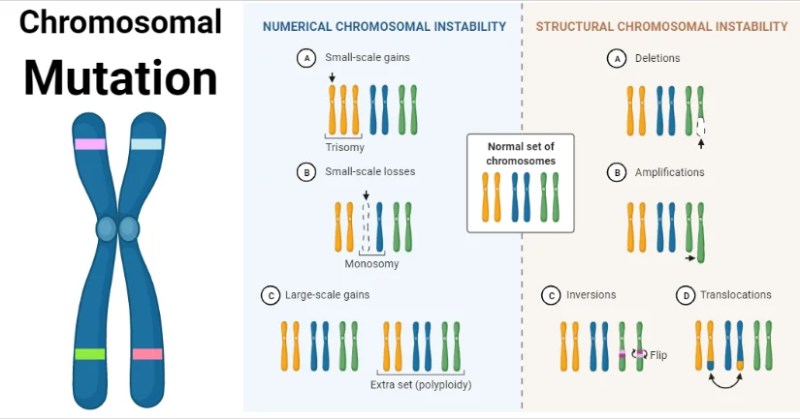
Chromosomal mutations involve larger-scale alterations, such as chromosomal breaks, translocations (exchange of genetic material between chromosomes), inversions (reversal of a chromosomal segment), or changes in chromosome number (aneuploidy). These mutations can disrupt multiple genes, leading to complex phenotypic effects.
Key Benefits and Crucial Impact
Mutations, both gene and chromosomal, are the raw material of evolution, driving genetic diversity and adaptation. Beneficial mutations can confer advantages to organisms, leading to new traits and species formation. However, the impact of mutations on human health is complex and multifaceted.
"Mutations are the ultimate source of all genetic diversity and the driving force of evolution. Without mutations, life would be static and unable to adapt to changing environments." - Francisco J. Ayala, Evolutionary Biologist
Major Advantages
- Evolutionary Innovation: Mutations create new genetic variants, allowing populations to adapt to changing environments and evolve new traits.
- Medical Insights: Studying mutations helps us understand the function of genes and their role in diseases, leading to improved diagnostics and therapeutics.
- Genetic Diversity: Genetic variation among individuals and populations increases resilience against diseases and environmental changes.
- Agricultural Improvements: Mutations have been harnessed in agriculture to develop new crop varieties with desirable traits, such as disease resistance or increased yield.
- Biotechnological Applications: Mutagenesis techniques are used in biotechnology to create new enzymes, drugs, and other valuable biomolecules.

Comparative Analysis
| Aspect | Gene Mutations | Chromosomal Mutations |
|---|---|---|
| Scale | Single gene | Entire chromosome |
| Impact | Specific trait alteration | Potential disruption of multiple genes and traits |
| Inheritance | Can be inherited or somatic | Usually inherited, can occur somatically |
| Effects | Variable, from benign to severe | Often severe, can lead to genetic disorders |
Future Trends and Innovations
Advances in genomics and biotechnology are revolutionizing our understanding and manipulation of genetic mutations. Next-generation sequencing technologies enable rapid identification of gene and chromosomal mutations, facilitating personalized medicine and precision public health.
Gene editing tools, such as CRISPR-Cas9, offer unprecedented precision in modifying specific DNA sequences, holding promise for correcting genetic defects and treating diseases. However, ethical considerations and potential off-target effects remain crucial areas of debate and research.
Conclusion
Gene vs chromosomal mutations represent distinct yet interconnected facets of genetic variation. While gene mutations fine-tune individual traits, chromosomal mutations can lead to dramatic changes in an organism's genetic makeup. Understanding these mutations is crucial for unraveling the complexities of life, improving human health, and harnessing the power of genetics for societal benefit.
As we continue to explore the intricacies of the genome, ethical and responsible stewardship of genetic knowledge becomes increasingly vital. The future of genetics holds immense potential for improving human well-being, but it also demands careful navigation of ethical challenges and thoughtful consideration of the implications for individuals and society.
Comprehensive FAQs
Q: What is the primary difference between gene and chromosomal mutations?
A: Gene mutations involve changes within a single gene, affecting its structure or function. Chromosomal mutations, however, encompass alterations in the structure or number of chromosomes, potentially disrupting multiple genes.
Q: How do gene mutations impact an organism's traits?
A: Gene mutations can alter the protein encoded by the gene, leading to changes in specific traits. These changes can be beneficial, neutral, or harmful, depending on the context.
Q: What are some examples of chromosomal mutations and their effects?
A: Examples of chromosomal mutations include Down syndrome (trisomy 21), where an extra copy of chromosome 21 is present, and Turner syndrome (monosomy X), where one X chromosome is missing. These mutations can lead to a range of physical and cognitive abnormalities.
Q: Can gene mutations be inherited?
A: Yes, gene mutations can be inherited if they occur in germline cells (sperm or eggs). Somatic mutations, which occur in body cells, are not typically inherited but can lead to health issues in the affected individual.
Q: How do advancements in gene editing technologies affect our understanding and treatment of mutations?
A: Gene editing tools like CRISPR-Cas9 allow precise modification of DNA sequences, offering potential for correcting genetic defects. However, ethical considerations and the risk of off-target effects necessitate careful research and regulation.
Leave a Comment
Comments are moderated before appearing. The data you submit is processed according to the Privacy Policy of stanford.edu.