Unveiling the Science Behind Drano, Tin Foil, and Water in a Bottle
In the realm of household maintenance, few tasks are as universally dreaded as unclogging a drain. Yet, the combination of Drano, tin foil, and water in a bottle has emerged as a popular, albeit unconventional, solution. This method, which blends chemical reaction with simple physics, offers a glimpse into the fascinating world of applied science. Let's explore the origins, mechanisms, and implications of this innovative approach to drain cleaning.
The use of Drano, a commercial drain opener, has long been a staple in many homes. When combined with tin foil and water in a bottle, it becomes a powerful tool against stubborn clogs. This DIY solution not only saves time and money but also provides a satisfying understanding of how everyday chemistry can solve real-world problems.
Moreover, the environmental and health benefits of this method add another layer of appeal. As consumers become increasingly conscious of the chemicals they use in their homes, natural and eco-friendly alternatives gain traction. The Drano, tin foil, and water in a bottle method presents a compelling option for those seeking effective yet sustainable solutions.
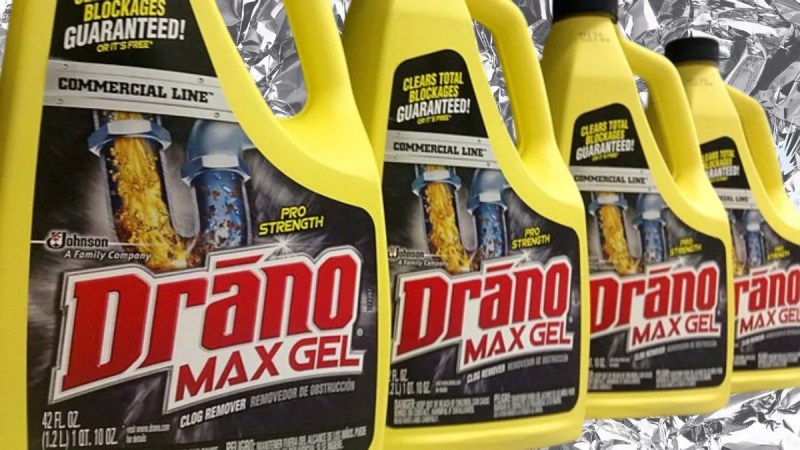
The Complete Overview of Drano, Tin Foil, and Water in a Bottle
The concept of using Drano, tin foil, and water in a bottle to unclog drains is a testament to human ingenuity and the power of simple science. This method leverages the chemical properties of Drano, the physical attributes of tin foil, and the pressure generated by water in a bottle to dislodge and dissolve clogs.
While the idea might seem unconventional, it has gained widespread popularity due to its effectiveness and accessibility. The simplicity of the process—mixing Drano with water, pouring it down the drain, and then using tin foil and a bottle to create a pressure seal—makes it a go-to solution for many homeowners.
Historical Background and Evolution
The use of chemical drain openers like Drano dates back to the early 20th century. These products were developed to address the common problem of clogged drains in homes and commercial buildings. Early formulations often contained harsh chemicals such as lye, which were effective but could also cause significant damage to pipes and the environment.
Table of Contents
- The Complete Overview of Drano, Tin Foil, and Water in a Bottle
- Historical Background and Evolution
- Core Mechanisms: How It Works
- Key Benefits and Crucial Impact
- Major Advantages
- Comparative Analysis
- Future Trends and Innovations
- Conclusion
- Comprehensive FAQs
- Q: What is Drano, and how does it contribute to unclogging drains?
- Q: Why is tin foil used in this method?
- Q: Is this method safe for all types of pipes?
- Q: How often can this method be used without causing harm to the environment?
- Q: Are there any alternatives to Drano that are equally effective in this method?
Over time, advancements in chemistry led to the development of safer and more environmentally friendly drain openers. Drano, for instance, has evolved to include enzymes and bacteria that help break down organic matter in clogs. The integration of tin foil and water in a bottle as an adjunct to chemical drain cleaning is a more recent innovation, driven by the desire to enhance the effectiveness of these products and minimize their environmental impact.
Core Mechanisms: How It Works
The Drano, tin foil, and water in a bottle method works through a combination of chemical reaction and physical force. Here's a step-by-step breakdown:
- Chemical Reaction: Drano contains sodium hydroxide (lye) and other chemicals that react with the organic matter in clogs, breaking it down into smaller, more soluble components.
- Heat Generation: The chemical reaction between Drano and the clog generates heat, which helps to soften and dissolve the blockage.
- Physical Force: The water in the bottle, when poured down the drain, creates a pressure wave that helps to dislodge the clog. The tin foil acts as a seal, maximizing the pressure applied to the clog.
Key Benefits and Crucial Impact
The Drano, tin foil, and water in a bottle method offers several significant advantages over traditional drain cleaning methods. Not only does it provide an effective solution to a common household problem, but it also has positive environmental and health implications.
The use of natural materials like tin foil and water, combined with the careful application of chemical reactions, allows for a more sustainable approach to drain cleaning. This method reduces reliance on harsh chemicals that can damage pipes and contaminate water systems.
"The use of safer chemicals is crucial for protecting human health and the environment. By choosing products that are less hazardous, consumers can contribute to a more sustainable future."
Major Advantages
- Effectiveness: The combination of chemical reaction and physical force makes this method highly effective in clearing even stubborn clogs.
- Environmental Friendliness: The use of natural materials and safer chemicals reduces the environmental impact of drain cleaning.
- Cost-Efficiency: This DIY method saves money compared to professional drain cleaning services.
- Accessibility: All components—Drano, tin foil, and water—are readily available in most households.
- Educational Value: Understanding how this method works provides valuable insights into basic chemistry and physics, fostering a deeper appreciation for science.

Comparative Analysis
| Method | Effectiveness | Environmental Impact | Cost | Accessibility |
|---|---|---|---|---|
| Drano, Tin Foil, and Water in a Bottle | High | Low | Low | High |
| Traditional Chemical Drain Cleaners | High | High | Moderate | Moderate |
| Mechanical Drain Snakes | Moderate | Low | Moderate | Moderate |
| Professional Drain Cleaning Services | High | Variable | High | Low |
Future Trends and Innovations
As consumer awareness of environmental and health issues continues to grow, the demand for sustainable and safe household products will likely increase. The Drano, tin foil, and water in a bottle method already aligns with these trends, and further innovations could make it even more effective and accessible.
Future developments might include the integration of advanced biodegradable materials, improved chemical formulations, and smart devices that monitor drain health and provide real-time solutions. Additionally, educational initiatives that promote understanding of basic household science could empower more people to adopt this method.

Conclusion
The Drano, tin foil, and water in a bottle method represents a remarkable intersection of science, sustainability, and practicality. By harnessing the power of chemical reactions and physical forces, this innovative approach offers an effective, cost-efficient, and environmentally friendly solution to a ubiquitous household problem.
As we look towards the future, the principles underlying this method could inspire further innovations in drain cleaning and other areas of household maintenance. The combination of accessibility and effectiveness makes this technique a powerful tool in the arsenal of any homeowner seeking to maintain their plumbing system safely and sustainably.
Comprehensive FAQs
Q: What is Drano, and how does it contribute to unclogging drains?
A: Drano is a commercial drain opener that contains chemicals like sodium hydroxide (lye) which react with organic matter in clogs, breaking them down into smaller, more soluble components.
Q: Why is tin foil used in this method?
A: Tin foil acts as a seal around the bottle, maximizing the pressure of the water being poured down the drain. This pressure helps to dislodge the clog, working in conjunction with the chemical reaction from the Drano.
Q: Is this method safe for all types of pipes?
A: While generally safe, it's recommended to use this method with caution on older or damaged pipes. The chemical reaction from Drano can be harsh on certain materials, and the pressure from the water could exacerbate existing pipe issues.
Q: How often can this method be used without causing harm to the environment?
A: This method can be used as needed, but it's important to follow the instructions on the Drano packaging and avoid overuse. Proper disposal of the chemical waste is crucial to minimize environmental impact.
Q: Are there any alternatives to Drano that are equally effective in this method?
A: While there are natural alternatives like baking soda and vinegar, they may not be as effective as Drano for stubborn clogs. However, they are safer and more environmentally friendly for regular, light drain maintenance.
Leave a Comment
Comments are moderated before appearing. The data you submit is processed according to the Privacy Policy of stanford.edu.