Demystifying Credit Card Processing System Use Case Diagrams: A Comprehensive Analysis

The Complete Overview of Credit Card Processing System Use Case Diagrams
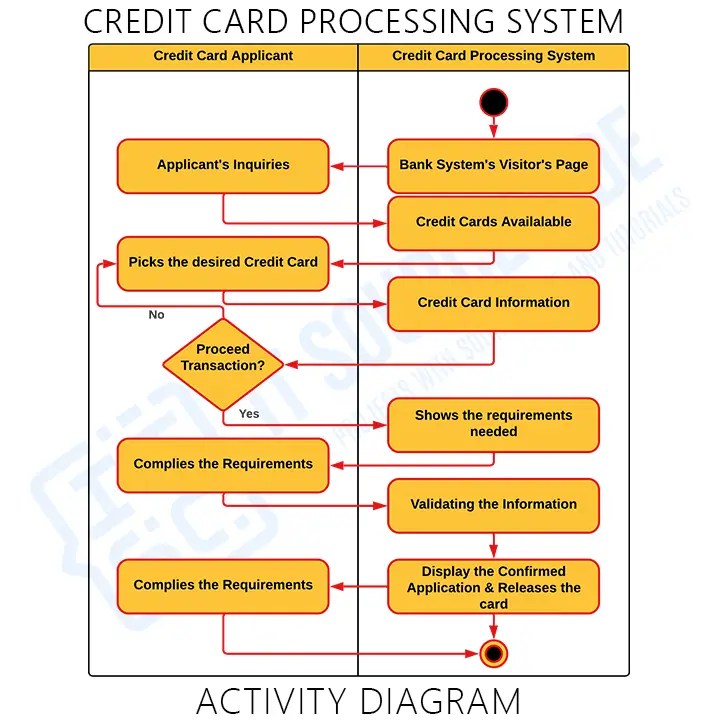
In the dynamic landscape of electronic payments, credit card processing system use case diagrams stand as pivotal tools for understanding the intricate dance of transactions. These diagrams offer a visual blueprint, detailing the interactions between various components – from cardholders and merchants to payment gateways and issuing banks. By demystifying these processes, businesses and consumers alike can grasp the complexity and security measures embedded within every swipe, dip, or tap.
This comprehensive overview aims to delve into the historical background, core mechanisms, and significant impacts of credit card processing system use case diagrams. Moreover, it will explore future trends, providing a panoramic view of an industry that continues to evolve with technological advancements and changing consumer habits.
Historical Background and Evolution
The journey of credit card processing systems began in the late 1950s with the introduction of the first credit cards by Diners Club and American Express. However, the concept of electronic processing gained traction in the 1970s with the advent of magnetic stripe cards and point-of-sale (POS) terminals. These innovations laid the foundation for the modern credit card processing system use case diagram.Over time, technological leaps such as the internet and digital encryption standards gave birth to more sophisticated systems. The integration of EMV (Europay, Mastercard, and Visa) chip technology and the emergence of contactless payments further refined the security and efficiency of credit card transactions. Today, use case diagrams are essential for illustrating the seamless, behind-the-scenes processes that facilitate billions of global transactions annually.
Core Mechanisms: How It Works
At its core, a credit card processing system use case diagram outlines the steps involved in authorizing, clearing, and settling a transaction. This involves a complex interplay of several entities: the cardholder, merchant, acquiring bank, issuing bank, and payment processors.The diagram typically begins with the cardholder presenting their credit card to the merchant for a purchase. The merchant then transmits the transaction details through a secure payment gateway to the acquiring bank. The acquiring bank requests authorization from the issuing bank, which verifies the cardholder's credit limit and available balance. Upon approval, the transaction is cleared, and the funds are transferred from the issuing bank to the acquiring bank, with a small fee deducted for processing services.
Key Benefits and Crucial Impact
The implementation of credit card processing system use case diagrams has brought about significant benefits to various stakeholders in the payment ecosystem."Credit card processing systems have revolutionized the way we conduct business, offering unparalleled convenience, security, and efficiency in transactions."
Major Advantages
- Global Reach: Facilitates international transactions, enabling businesses to expand their customer base globally.
- Enhanced Security: Incorporates advanced encryption and tokenization techniques to protect sensitive cardholder data.
- Real-time Processing: Allows for instant authorization and clearing of transactions, reducing delays and improving cash flow.
- Fraud Detection: Employs sophisticated algorithms to detect and prevent fraudulent activities, safeguarding both consumers and merchants.
- Cost Efficiency: Streamlines payment processes, reducing administrative burdens and operational costs for businesses.

Comparative Analysis
| Criteria | Credit Card Processing | Alternative Payment Methods |
|---|---|---|
| Global Acceptance | Widely accepted in over 200 countries | Varies by region and method |
| Security | High, with EMV chips and tokenization | Varies; some methods offer equal or higher security |
| Processing Time | Real-time authorization; settlement within 1-3 days | Varies; some methods offer instant transfers |
| Fees | Merchants pay transaction fees; consumers pay interest | Fees vary; some methods charge lower or no fees |
Future Trends and Innovations
As technology continues to evolve, credit card processing system use case diagrams are poised for further innovation. The rise of digital wallets, biometric authentication, and blockchain technology promises to reshape the payment landscape. Real-time payment networks and tokenization standards will enhance security and efficiency, while artificial intelligence and machine learning algorithms will refine fraud detection capabilities.Moreover, the integration of credit card processing with emerging technologies like the Internet of Things (IoT) and 5G networks will expand the scope of seamless, secure transactions across diverse industries and devices.
Table of Contents
- The Complete Overview of Credit Card Processing System Use Case Diagrams
- Historical Background and Evolution
- Core Mechanisms: How It Works
- Key Benefits and Crucial Impact
- Major Advantages
- Comparative Analysis
- Future Trends and Innovations
- Conclusion
- Comprehensive FAQs
- Q: What is a credit card processing system use case diagram?
- Q: How has the evolution of technology impacted credit card processing?
- Q: What are the key benefits of credit card processing for businesses?
- Q: How do credit card processing fees work?
- Q: What future trends are expected in credit card processing?
Conclusion
Credit card processing system use case diagrams serve as indispensable tools for navigating the complexities of modern payment systems. From their historical evolution to the intricate mechanisms that power them, these diagrams illustrate the remarkable journey of a transaction from card swipe to settlement.As the industry continues to innovate, the benefits of credit card processing – convenience, security, and efficiency – will remain paramount. By understanding and leveraging these systems, businesses and consumers can embrace the future of payments with confidence.
Comprehensive FAQs
Q: What is a credit card processing system use case diagram?
A: A credit card processing system use case diagram is a visual representation that outlines the steps and interactions involved in processing a credit card transaction, including the roles of cardholders, merchants, banks, and payment processors.
Q: How has the evolution of technology impacted credit card processing?
A: Technological advancements such as EMV chips, digital wallets, and blockchain have significantly enhanced the security, efficiency, and global reach of credit card processing systems.
Q: What are the key benefits of credit card processing for businesses?
A: Businesses benefit from credit card processing through expanded customer reach, streamlined payment processes, reduced administrative burdens, and access to real-time transaction data for better cash flow management.
Q: How do credit card processing fees work?
A: Credit card processing fees typically include a transaction fee paid by the merchant to the acquiring bank and payment processor, as well as interest charges incurred by the cardholder for carrying a balance.
Q: What future trends are expected in credit card processing?
A: Future trends include the integration of biometric authentication, real-time payment networks, enhanced tokenization standards, and the convergence of credit card processing with IoT and 5G technologies for seamless, secure transactions across diverse devices and industries.
Leave a Comment
Comments are moderated before appearing. The data you submit is processed according to the Privacy Policy of stanford.edu.