Consider Mainframe Security: What Are the First Solutions Most People Think?
In the digital age, where data is the new currency, the security of mainframes has become an indispensable concern. As the backbone of many enterprise operations, mainframes process and store vast amounts of sensitive information. When considering mainframe security, what are the first solutions most people think of? This article delves into the intricacies of mainframe security, exploring its historical evolution, core mechanisms, key benefits, and future trends.
The immediate responses to mainframe security often include firewalls, encryption, and access controls—solutions designed to create a fortified perimeter around these critical systems. However, the landscape of cyber threats is ever-evolving, demanding a more comprehensive and proactive approach. Understanding the nuances of mainframe security requires a journey through its historical background, the mechanics that underpin it, and the comparative analysis of various solutions.
As we navigate the digital labyrinth, the importance of mainframe security cannot be overstated. It is not merely about protecting data but also about safeguarding the integrity and continuity of businesses and organizations worldwide. This article aims to provide a holistic view of mainframe security, encouraging a deeper understanding and more strategic considerations beyond the initial, instinctive solutions.
The Complete Overview of Mainframe Security
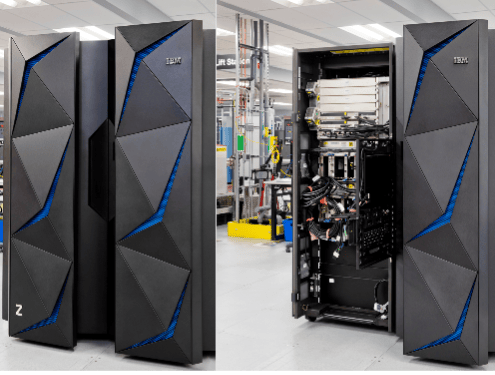
Mainframe security encompasses the measures and practices designed to protect the integrity, confidentiality, and availability of data and processes on mainframe computers. These systems, often referred to as the workhorses of the digital era, are critical for large-scale data processing and storage, making their security a paramount concern.
When considering mainframe security, what are the first solutions most people think of? Typically, thoughts turn to traditional cybersecurity measures such as firewalls and antivirus software. While these are essential components, mainframe security demands a more multifaceted approach. It involves a layered defense strategy, combining physical security, network security, access controls, and continuous monitoring to create a robust security posture.
Historical Background and Evolution
The evolution of mainframe security is a narrative of continuous adaptation to emerging threats and technological advancements. In the early days of computing, mainframes were isolated systems, protected by physical access controls and basic authentication methods. As networking and connectivity expanded, the attack surface increased, necessitating the development of more sophisticated security measures.
Table of Contents
- The Complete Overview of Mainframe Security
- Historical Background and Evolution
- Core Mechanisms: How It Works
- Key Benefits and Crucial Impact
- Major Advantages
- Comparative Analysis
- Future Trends and Innovations
- Conclusion
- Comprehensive FAQs
- Q: What are the primary concerns regarding mainframe security?
- Q: How do firewalls contribute to mainframe security?
- Q: What role does encryption play in securing mainframes?
- Q: How can AI and ML enhance mainframe security?
- Q: What is the significance of quantum-safe encryption in mainframe security?
The 1980s and 1990s saw the introduction of firewalls and encryption technologies, which became cornerstones of network security. These solutions aimed to control incoming and outgoing network traffic, protecting mainframes from unauthorized access and data breaches. However, as cyber threats evolved to include malware, phishing, and advanced persistent threats, the need for endpoint protection and user behavior analytics became evident.
Core Mechanisms: How It Works
Mainframe security operates on several key mechanisms, each playing a crucial role in safeguarding the system and its data. These mechanisms include:
- Access Controls: Implementing strict authentication and authorization protocols to ensure that only authorized users can access sensitive data and processes.
- Encryption: Using cryptographic techniques to protect data in transit and at rest, ensuring that even if compromised, the data remains unreadable without the decryption key.
- Firewalls: Acting as a barrier between the mainframe and external networks, firewalls monitor and control incoming and outgoing network traffic based on predetermined security rules.
- Intrusion Detection and Prevention Systems (IDPS): Monitoring network traffic and system activities for suspicious patterns or known attack signatures, these systems can detect and respond to potential threats in real time.
- Continuous Monitoring and Auditing: Regularly reviewing security logs and system activities to identify anomalies and potential security breaches, enabling prompt response and remediation.
Key Benefits and Crucial Impact
Mainframe security offers a multitude of benefits that extend beyond the immediate protection of data and systems. These benefits include enhanced operational efficiency, compliance with regulatory standards, and the preservation of organizational reputation.
"Mainframe security is not just about protecting data; it's about safeguarding the very foundation of modern business operations."
Major Advantages
- Data Integrity and Confidentiality: Robust security measures ensure that data remains accurate, complete, and accessible only to authorized individuals, protecting against unauthorized modifications or disclosures.
- Compliance with Regulations: Mainframe security helps organizations meet industry-specific regulations and standards, such as GDPR, HIPAA, and PCI-DSS, avoiding costly fines and legal consequences.
- Business Continuity: By mitigating the risk of system disruptions and data loss, mainframe security contributes to uninterrupted business operations, ensuring organizational resilience.
- Cost Savings: Preventing security breaches can save organizations from substantial financial losses associated with data recovery, legal fees, and reputational damage.
- Trust and Reputation: A strong security posture builds trust among customers, partners, and stakeholders, enhancing an organization's reputation and competitive standing.

Comparative Analysis
| Solution | Effectiveness | Ease of Implementation | Cost | Scalability |
|---|---|---|---|---|
| Firewalls | High | Moderate | Low to Moderate | Good |
| Encryption | Very High | Moderate | Moderate to High | Excellent |
| Access Controls | High | High | Low | Good |
| IDPS | Very High | Complex | High | Excellent |
Future Trends and Innovations
The landscape of mainframe security is continually evolving, driven by advancements in technology and the ever-changing threat environment. Emerging trends include the integration of artificial intelligence (AI) and machine learning (ML) for advanced threat detection, the adoption of zero-trust architecture, and the increasing importance of quantum-safe encryption.
As cyber threats become more sophisticated, mainframe security must adapt to stay ahead of the curve. This includes the development of more robust authentication methods, such as biometric and multi-factor authentication, and the implementation of decentralized security models that distribute security functions across the network.

Conclusion
Mainframe security is a critical component of modern enterprise operations, safeguarding the data and processes that underpin business continuity. While initial thoughts may gravitate towards traditional solutions like firewalls and encryption, a comprehensive security strategy requires a deeper understanding of the historical context, core mechanisms, and emerging trends. By considering mainframe security holistically, organizations can better protect their assets, comply with regulations, and maintain the trust of their stakeholders.
As the digital landscape continues to evolve, so too must our approaches to security. By embracing innovation and staying informed about the latest threats and defenses, we can ensure that our mainframes remain secure, reliable, and capable of supporting the demands of the modern world.
Comprehensive FAQs
Q: What are the primary concerns regarding mainframe security?
A: The primary concerns include unauthorized access, data breaches, system disruptions, and compliance with regulatory standards. These concerns necessitate a multi-layered security approach to protect sensitive data and ensure business continuity.
Q: How do firewalls contribute to mainframe security?
A: Firewalls act as a barrier between the mainframe and external networks, controlling incoming and outgoing traffic based on predefined security rules. They help prevent unauthorized access and mitigate the risk of cyberattacks by blocking malicious traffic.
Q: What role does encryption play in securing mainframes?
A: Encryption ensures that data remains unreadable to unauthorized users, even if it is intercepted. It protects data in transit and at rest, safeguarding sensitive information from potential breaches and unauthorized access.
Q: How can AI and ML enhance mainframe security?
A: AI and ML can analyze vast amounts of data to identify patterns and anomalies indicative of potential threats. They enable advanced threat detection and response, improving the effectiveness of mainframe security measures.
Q: What is the significance of quantum-safe encryption in mainframe security?
A: Quantum-safe encryption is designed to withstand attacks from quantum computers, which could potentially break traditional encryption algorithms. As quantum computing advances, adopting quantum-safe encryption will be crucial for maintaining the security of mainframes and their data.
Leave a Comment
Comments are moderated before appearing. The data you submit is processed according to the Privacy Policy of stanford.edu.