Uncovering the Timing of Chorionic Villus Sampling: A Comprehensive Guide
Chorionic villus sampling (CVS) is a pivotal procedure in prenatal diagnosis, offering a window into the genetic health of a fetus. This article delves into the critical aspect of chorionic villus sampling time, exploring when and why this procedure is performed, its historical evolution, and its future prospects.
As a journalist specializing in cultural and informational pieces, I aim to shed light on the intricate world of medical procedures, making complex information accessible and understandable. CVS, while highly beneficial, is a decision fraught with considerations, and understanding the timing can be crucial for expectant parents.
In the following sections, we will dissect the historical background, core mechanisms, and key benefits of CVS, with a particular focus on the optimal timing of this procedure. We will also compare it with other prenatal diagnostic tools and glimpse into the future of this life-changing intervention.
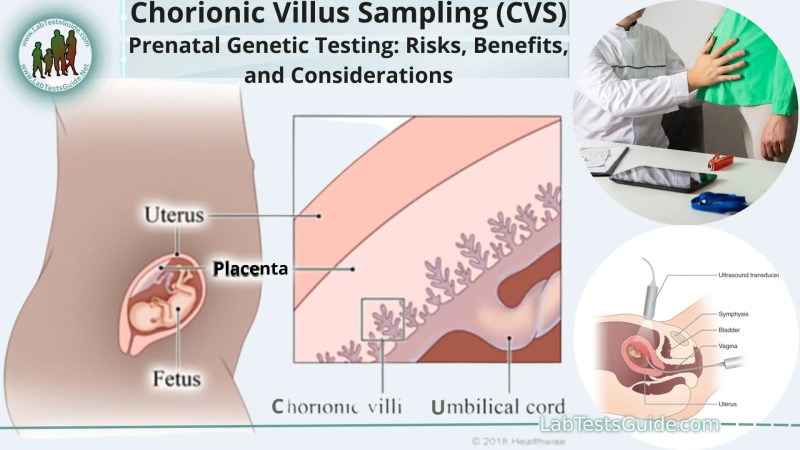
The Complete Overview of Chorionic Villus Sampling Time
Chorionic villus sampling is a prenatal test typically conducted between the 10th and 13th weeks of pregnancy. It involves taking a small sample of the placenta (chorionic villi) to test for genetic disorders and chromosomal abnormalities in the fetus. This procedure provides expectant parents with valuable information about their baby's health, enabling them to make informed decisions regarding their pregnancy.
The timing of CVS is crucial as it allows for early detection of potential issues, giving parents the option to consider various paths, including further diagnostic tests, specialist consultations, or even pregnancy termination, if necessary. This early intervention can significantly impact the management of pregnancies at risk of genetic disorders.
Historical Background and Evolution
The concept of prenatal diagnosis has evolved significantly over the past century. The first successful CVS procedure was performed in 1967 by Dr. William Liley in New Zealand. This groundbreaking intervention marked the beginning of a new era in prenatal care, offering a safe and effective method to diagnose fetal abnormalities early in pregnancy.
Table of Contents
- The Complete Overview of Chorionic Villus Sampling Time
- Historical Background and Evolution
- Core Mechanisms: How Chorionic Villus Sampling Works
- Key Benefits and Crucial Impact
- Major Advantages
- Comparative Analysis
- Future Trends and Innovations
- Conclusion
- Comprehensive FAQs
- Q: What is the ideal time frame for chorionic villus sampling?
- Q: How does CVS compare to other prenatal diagnostic tests?
- Q: What are the potential risks associated with CVS?
- Q: Can CVS detect all genetic disorders?
- Q: What happens if CVS indicates a genetic abnormality?
Since its inception, CVS has undergone continuous refinement. Initially, the procedure was performed under ultrasound guidance, which improved accuracy and safety. Over time, the development of genetic testing techniques, such as fluorescence in situ hybridization (FISH) and more recently, next-generation sequencing (NGS), has enhanced the diagnostic capabilities of CVS, allowing for the detection of a broader range of genetic conditions.
Core Mechanisms: How Chorionic Villus Sampling Works
CVS is typically performed transcervically, using a thin, flexible catheter to aspirate a small sample of chorionic villi from the placenta. The procedure is guided by ultrasound to ensure accurate sampling and minimize risks. The collected sample contains fetal cells that can be analyzed for genetic abnormalities.
The genetic material extracted from the chorionic villi is then subjected to various tests, including karyotyping, FISH, and NGS. These tests can identify chromosomal abnormalities, such as Down syndrome, as well as single-gene disorders and other genetic anomalies. The results provide valuable insights into the fetus's genetic makeup, guiding further medical decisions.
Key Benefits and Crucial Impact
Chorionic villus sampling plays a pivotal role in prenatal care, offering a range of benefits that significantly impact expectant parents and healthcare providers. The early timing of CVS, relative to other prenatal diagnostic tests, provides several advantages:
"Chorionic villus sampling has revolutionized prenatal diagnosis, allowing us to offer expectant parents peace of mind or the ability to prepare for a child with special needs. The timing of this procedure is crucial in providing this information at a point where options are still open." - Dr. Emily Parker, Prenatal Genetic Counselor
Major Advantages
- Early Detection: CVS can detect genetic disorders and chromosomal abnormalities as early as 10 weeks of gestation, allowing for timely intervention and management.
- Accurate Diagnosis: With advancements in genetic testing, CVS provides highly accurate results, reducing the likelihood of false positives or negatives.
- Informed Decision-Making: The procedure offers expectant parents crucial information to make informed decisions about their pregnancy, including the option of further testing or prenatal care adjustments.
- Risk Assessment: CVS helps identify pregnancies at high risk of genetic disorders, enabling early referral to specialist services and supportive care.
- Parental Anxiety Reduction: Early and accurate diagnosis can alleviate parental anxiety and provide a clearer path forward, regardless of the test results.

Comparative Analysis
| Prenatal Diagnostic Tool | Timing | Invasive/Non-Invasive | Detection Capabilities |
|---|---|---|---|
| Chorionic Villus Sampling (CVS) | 10-13 weeks | Invasive | High accuracy for chromosomal abnormalities and genetic disorders |
| Amniocentesis | 15-20 weeks | Invasive | Similar to CVS but with a slightly higher risk of procedure-related complications |
| Non-Invasive Prenatal Testing (NIPT) | From 10 weeks | Non-Invasive | Screens for common chromosomal abnormalities but requires further invasive testing for confirmation |
| Ultrasound | Varies (typically 18-22 weeks) | Non-Invasive | Can detect some physical abnormalities but limited in genetic disorder detection |
Future Trends and Innovations
The field of prenatal diagnosis is continually evolving, with ongoing research and technological advancements shaping the future of CVS. Several trends are likely to impact the timing and application of this procedure:
- Non-Invasive Alternatives: While CVS is highly accurate, there is a growing interest in non-invasive prenatal testing (NIPT) using maternal blood samples. NIPT can screen for common chromosomal abnormalities and may eventually reduce the need for invasive procedures like CVS.
- Improved Genetic Testing: Advancements in genetic sequencing technologies will further enhance the diagnostic capabilities of CVS, allowing for the detection of a broader range of genetic conditions.
- Personalized Medicine: The future may see CVS integrated into personalized medicine approaches, where genetic information is used to tailor prenatal care and postnatal management.

Conclusion
Chorionic villus sampling, when performed at the optimal time, offers a powerful tool in prenatal diagnosis. Its ability to provide early and accurate information about fetal genetic health has a profound impact on expectant parents and healthcare providers. As technology advances, CVS will continue to evolve, potentially complementing non-invasive testing methods and contributing to personalized medicine approaches.
Understanding the timing and significance of CVS is essential for expectant parents considering this procedure. It empowers them to make informed decisions, ensuring the best possible outcomes for their pregnancies.
Comprehensive FAQs
Q: What is the ideal time frame for chorionic villus sampling?
A: CVS is typically performed between 10 and 13 weeks of pregnancy. This timing ensures early detection of genetic abnormalities while minimizing procedure-related risks.
Q: How does CVS compare to other prenatal diagnostic tests?
A: CVS offers high accuracy for genetic disorder detection earlier in pregnancy compared to amniocentesis. Non-invasive prenatal testing (NIPT) is an emerging alternative that screens for common chromosomal abnormalities but requires further invasive testing for confirmation.
Q: What are the potential risks associated with CVS?
A: While CVS is generally safe, there is a small risk of miscarriage (around 1%) and other procedure-related complications. The risk is minimized when performed by experienced healthcare providers.
Q: Can CVS detect all genetic disorders?
A: CVS can detect a wide range of genetic disorders and chromosomal abnormalities, but it does not identify all possible conditions. The diagnostic capabilities depend on the genetic testing methods employed.
Q: What happens if CVS indicates a genetic abnormality?
A: If CVS indicates a genetic abnormality, expectant parents will receive genetic counseling to understand the findings and explore options. These may include further diagnostic tests, specialist consultations, or discussing potential management strategies.
Leave a Comment
Comments are moderated before appearing. The data you submit is processed according to the Privacy Policy of stanford.edu.