Navigating Business Summary Categorization Rules: A Comprehensive Framework
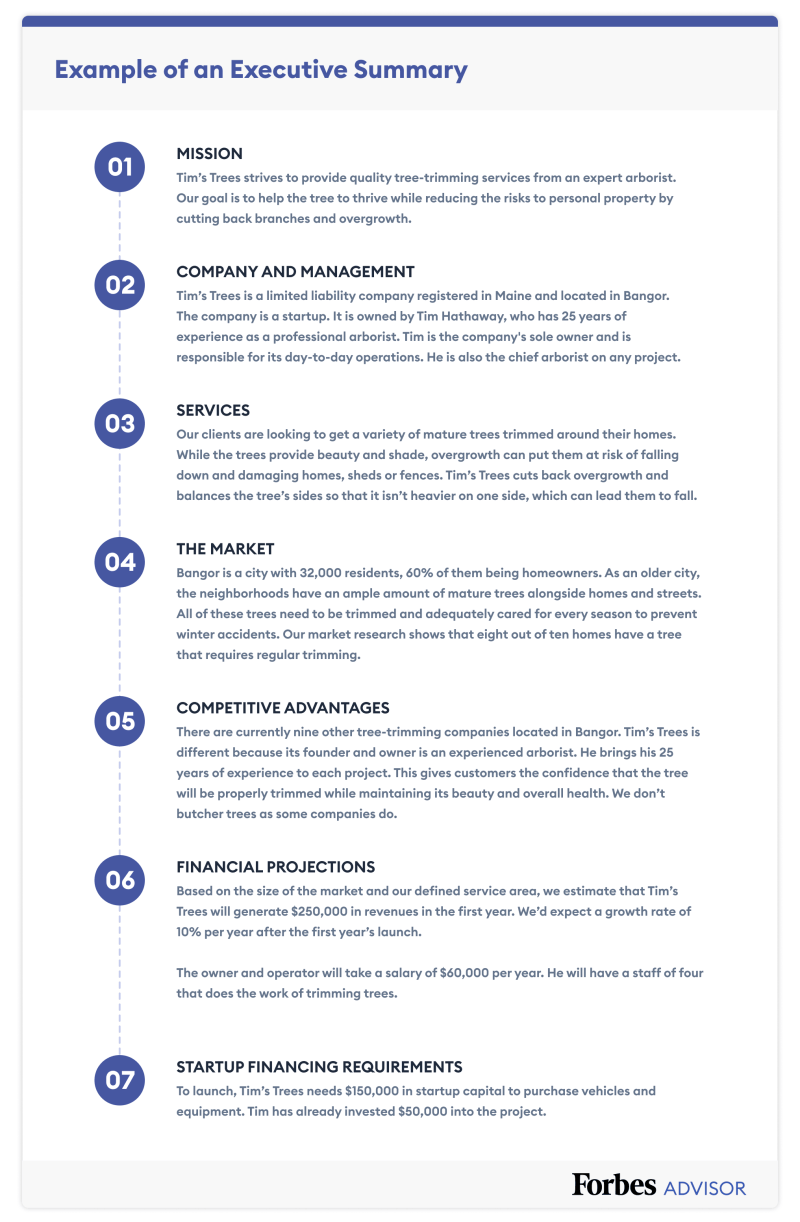
The Complete Overview of Business Summary Categorization Rules
In the realm of business analysis, the ability to categorize and summarize information effectively is paramount. Business summary categorization rules provide a structured approach to organizing complex data, enabling stakeholders to make informed decisions. These rules are the backbone of strategic planning, corporate finance, and investment analysis, ensuring that critical insights are derived from raw data.
This article delves into the comprehensive framework of business summary categorization rules, exploring their historical evolution, core mechanisms, and significant impact. We will also examine the major advantages, conduct a comparative analysis, and peer into the future of this essential business tool.
Historical Background and Evolution
The concept of categorizing business summaries has evolved alongside the development of accounting and financial reporting. Early trading and mercantile practices relied on simple ledger systems, but as business complexity grew, so did the need for more sophisticated methods of analyzing financial data. The Industrial Revolution marked a turning point, with the emergence of large-scale corporations and the subsequent need for standardized reporting.The 20th century saw the development of formal categorization rules, with the advent of accounting standards and regulatory bodies. These standards, such as Generally Accepted Accounting Principles (GAAP) and International Financial Reporting Standards (IFRS), provided a framework for consistent financial reporting. Over time, business summary categorization rules have become more nuanced, incorporating elements of strategic management, risk assessment, and industry-specific considerations.
Core Mechanisms: How Business Summary Categorization Rules Work
At the heart of business summary categorization rules lies the process of classifying and grouping financial and operational data. This involves breaking down complex information into manageable categories, such as revenue, expenses, assets, and liabilities. Each category is then further sub-divided to provide detailed insights.The rules dictate the criteria for inclusion in each category, ensuring consistency and comparability across different businesses and industries. They also outline the methods for summarizing data, such as aggregation, averaging, and ratio analysis. These mechanisms enable analysts to identify trends, assess performance, and make predictions, thereby guiding strategic decision-making.
Key Benefits and Crucial Impact
Business summary categorization rules have a profound impact on various aspects of business operations and decision-making. They provide a standardized approach to analyzing financial data, ensuring that stakeholders have a common understanding of a company's performance and health."Categorization rules are the grammar of financial analysis, enabling us to construct meaningful sentences from the raw data of business operations."
Major Advantages
- Consistency: Ensures uniform application of classification criteria, facilitating comparisons across time periods and peer groups.
- Clarity: Simplifies complex data into digestible categories, enhancing comprehension for stakeholders at all levels.
- Comparability: Enables apples-to-apples comparisons between companies, industries, and sectors.
- Predictive Analytics: Facilitates trend analysis and forecasting, aiding in strategic planning and risk management.
- Decision-Making: Provides a solid foundation for investment decisions, mergers and acquisitions, and operational improvements.

Comparative Analysis
| Aspect | Business Summary Categorization Rules | Alternative Methods |
|---|---|---|
| Standardization | High - Ensures consistent application across organizations | Low - Varies widely, often leading to inconsistencies |
| Comparability | Excellent - Facilitates direct comparisons | Limited - Requires significant adjustments for meaningful comparisons |
| Analytical Depth | Deep - Allows for detailed trend analysis and forecasting | Shallow - Offers less insight into financial health and performance |
| Decision Support | Robust - Provides a strong foundation for strategic decisions | Weak - Lacks the structure needed for comprehensive decision-making |
Future Trends and Innovations
The landscape of business summary categorization rules is continually evolving, driven by technological advancements and changing business dynamics. The rise of big data and artificial intelligence (AI) is transforming how we analyze and interpret financial information.AI-powered tools are enhancing the automation and accuracy of categorization processes, while machine learning algorithms are identifying new patterns and insights. Additionally, the increasing emphasis on sustainability and Environmental, Social, and Governance (ESG) factors is leading to the development of categorization rules that incorporate non-financial data.
Table of Contents
- The Complete Overview of Business Summary Categorization Rules
- Historical Background and Evolution
- Core Mechanisms: How Business Summary Categorization Rules Work
- Key Benefits and Crucial Impact
- Major Advantages
- Comparative Analysis
- Future Trends and Innovations
- Conclusion
- Comprehensive FAQs
- Q: What are the primary purposes of business summary categorization rules?
- Q: How do categorization rules impact investment decisions?
- Q: Can business summary categorization rules be industry-specific?
- Q: How do new technologies like AI affect business summary categorization?
- Q: What is the role of sustainability and ESG factors in future categorization rules?

Conclusion
Business summary categorization rules are an indispensable tool in the arsenal of business analysts, investors, and decision-makers. They provide a structured framework for navigating the complexities of financial data, enabling stakeholders to extract meaningful insights and drive strategic actions.As the business environment continues to evolve, so too will the categorization rules, adapting to incorporate new technologies, regulatory requirements, and stakeholder expectations. By staying abreast of these developments, professionals can leverage the full potential of business summary categorization rules to guide their organizations toward success.
Comprehensive FAQs
Q: What are the primary purposes of business summary categorization rules?
A: The primary purposes are to ensure consistency in financial reporting, facilitate comparisons between companies and industries, provide clarity in data presentation, and support strategic decision-making through detailed analysis.
Q: How do categorization rules impact investment decisions?
A: Categorization rules enable investors to compare financial health, performance, and growth prospects across different companies and sectors. They provide a standardized framework for assessing risk and return, guiding investment choices.
Q: Can business summary categorization rules be industry-specific?
A: Yes, while there are universal categorization principles, certain industries have tailored rules to account for unique business models, revenue streams, or regulatory requirements. These industry-specific rules ensure relevance and accuracy in financial analysis.
Q: How do new technologies like AI affect business summary categorization?
A: AI and machine learning are revolutionizing categorization by automating data classification, identifying complex patterns, and enhancing predictive analytics. These technologies improve efficiency, accuracy, and the depth of insights derived from business summaries.
Q: What is the role of sustainability and ESG factors in future categorization rules?
A: Sustainability and ESG factors are increasingly integrated into business summary categorization. Future rules are likely to include non-financial data, reflecting the growing importance of environmental, social, and governance considerations in strategic decision-making and investor preferences.
Leave a Comment
Comments are moderated before appearing. The data you submit is processed according to the Privacy Policy of stanford.edu.