Barbara's Comprehensive Table: Unraveling the Six Essential Nutrients as Macronutrients
In the realm of nutrition, understanding the fundamental components that sustain human health is paramount. Barbara, a renowned nutritionist, has meticulously crafted a table that illuminates the six essential nutrients, emphasizing their roles as macronutrients. This comprehensive guide serves as a cornerstone for anyone seeking to optimize their dietary intake and grasp the broader implications of these nutrients.
Macronutrients, as the name suggests, are required in large amounts in the diet and provide the body with the energy it needs to function. They are the building blocks of a healthy diet, and their importance cannot be overstated. Barbara's table delves into the intricacies of these nutrients, offering a clear and concise reference for both professionals and enthusiasts alike.
As we navigate the vast landscape of nutritional information, having a reliable framework is essential. Barbara's table provides just that, serving as a beacon for those looking to separate fact from fiction in the world of diet and nutrition. By understanding the six essential macronutrients, we can make informed decisions about our dietary choices and foster a healthier lifestyle.
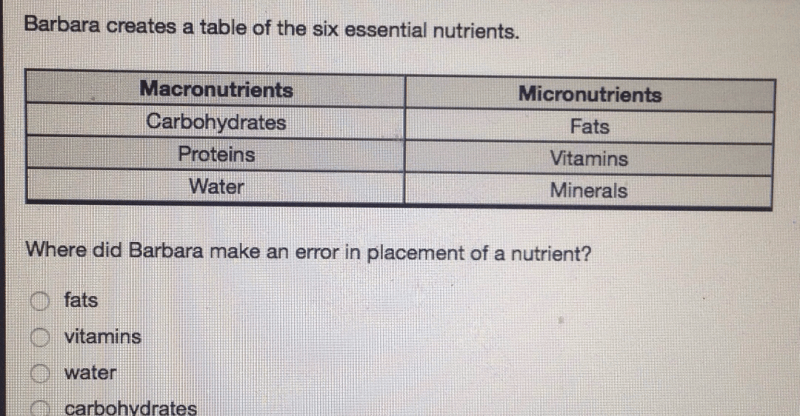
The Complete Overview of Barbara's Table: Six Essential Macronutrients
Barbara's table is a comprehensive resource that categorizes and explains the six essential nutrients that fall under the macronutrient umbrella. These nutrients are carbohydrates, proteins, fats, water, vitamins, and minerals. Each plays a unique and critical role in maintaining optimal health, and Barbara's work ensures that these roles are accessible and understandable to a wide audience.
The table provides a detailed breakdown of each nutrient, including its primary functions, food sources, recommended daily intake, and potential deficiencies. This holistic approach allows readers to grasp the significance of each macronutrient and apply this knowledge to their daily lives. By understanding the interplay between these nutrients, individuals can tailor their diets to meet their specific health needs.
Historical Background and Evolution
The concept of essential nutrients has evolved over centuries, shaped by scientific discoveries and a growing understanding of human physiology. In the early 20th century, researchers began identifying the key components of food that were necessary for survival and growth. This led to the recognition of carbohydrates, proteins, and fats as the primary macronutrients.
Table of Contents
- The Complete Overview of Barbara's Table: Six Essential Macronutrients
- Historical Background and Evolution
- Core Mechanisms: How It Works
- Key Benefits and Crucial Impact
- Major Advantages
- Comparative Analysis
- Future Trends and Innovations
- Conclusion
- Comprehensive FAQs
- Q: What are the six essential nutrients, and why are they important?
- Q: How do macronutrients differ from micronutrients?
- Q: Can I meet my macronutrient needs through a vegetarian or vegan diet?
- Q: How does personalized nutrition impact macronutrient intake?
- Q: What are some signs of macronutrient deficiencies?
Over time, the list expanded to include water, vitamins, and minerals as essential nutrients. Barbara's table reflects this evolution, acknowledging the historical context while presenting the most current scientific understanding. By tracing the development of nutritional knowledge, we gain a deeper appreciation for the importance of these six macronutrients and the role they play in our overall health and well-being.
Core Mechanisms: How It Works
Each of the six essential macronutrients has a distinct function in the body. Carbohydrates, for instance, serve as the primary energy source, while proteins are crucial for tissue repair and growth. Fats provide energy and support the absorption of fat-soluble vitamins. Water is essential for hydration and facilitates numerous physiological processes.
Vitamins and minerals, although required in smaller quantities, are no less vital. They act as cofactors in enzymatic reactions, support immune function, and contribute to bone health, among other roles. Barbara's table elucidates these mechanisms, explaining how each nutrient contributes to the body's overall functioning and how their interplay ensures optimal health.
Key Benefits and Crucial Impact
The impact of these six macronutrients on human health is profound and far-reaching. A balanced intake of these nutrients offers a myriad of benefits, from improved energy levels and enhanced cognitive function to stronger immune response and reduced risk of chronic diseases.
“Nutrition is a fundamental pillar of health. Understanding and meeting our macronutrient requirements is key to unlocking our full health potential.” - Barbara
Major Advantages
- Optimal Energy Production: Carbohydrates, fats, and proteins provide the body with the fuel it needs for physical activity, mental acuity, and overall vitality.
- Tissue Repair and Growth: Proteins are essential for building and repairing tissues, supporting muscle health, and facilitating recovery from injury or illness.
- Immune System Support: Vitamins and minerals play a crucial role in maintaining a robust immune system, helping the body defend against infections and diseases.
- Hydration and Detoxification: Water is vital for hydration, temperature regulation, and flushing out toxins, contributing to overall health and kidney function.
- Chronic Disease Prevention: A balanced intake of macronutrients can reduce the risk of heart disease, diabetes, and certain types of cancer, promoting longevity and quality of life.

Comparative Analysis
| Nutrient | Primary Functions | Recommended Daily Intake | Deficiency Symptoms |
|---|---|---|---|
| Carbohydrates | Energy production, brain function | 45-65% of total calories | Fatigue, mood swings, cognitive impairment |
| Proteins | Tissue repair, growth, immune function | 10-35% of total calories | Muscle wasting, weakened immune system |
| Fats | Energy storage, vitamin absorption | 20-35% of total calories | Skin problems, impaired growth, vitamin deficiencies |
| Water | Hydration, temperature regulation | 2-3 liters per day | Dehydration, fatigue, decreased cognitive function |
Future Trends and Innovations
As our understanding of nutrition continues to evolve, so too will the ways in which we approach macronutrient intake. Personalized nutrition, based on individual genetic profiles and health needs, is poised to become a significant trend. This approach tailors dietary recommendations to optimize health and prevent disease.
Additionally, sustainable and plant-based diets are gaining traction, prompting a re-evaluation of traditional macronutrient ratios. Researchers are exploring alternative sources of essential nutrients, such as plant-based proteins and healthy fats, to meet the body's needs while minimizing environmental impact.

Conclusion
Barbara's table of the six essential nutrients as macronutrients is an invaluable resource for navigating the complex world of nutrition. By understanding the historical context, core mechanisms, and key benefits of these nutrients, individuals can make informed decisions about their dietary choices. As we look to the future, personalized nutrition and sustainable dietary patterns will likely shape the way we think about macronutrient intake, ensuring optimal health for individuals and the planet.
Comprehensive FAQs
Q: What are the six essential nutrients, and why are they important?
A: The six essential nutrients are carbohydrates, proteins, fats, water, vitamins, and minerals. They are crucial for providing energy, building and repairing tissues, supporting immune function, hydration, and facilitating numerous biochemical processes in the body.
Q: How do macronutrients differ from micronutrients?
A: Macronutrients are required in large amounts and provide the body with energy, whereas micronutrients, such as vitamins and minerals, are needed in smaller quantities but are essential for various physiological functions, including enzyme reactions and immune support.
Q: Can I meet my macronutrient needs through a vegetarian or vegan diet?
A: Yes, it is possible to obtain all the essential macronutrients from a well-planned vegetarian or vegan diet. Plant-based sources of proteins, fats, and carbohydrates can meet nutritional requirements, but careful consideration must be given to ensure adequate intake of all nutrients, especially vitamin B12 and iron.
Q: How does personalized nutrition impact macronutrient intake?
A: Personalized nutrition takes into account individual genetic variations, health goals, and dietary preferences to tailor macronutrient ratios and recommendations. This approach aims to optimize health outcomes and prevent disease by addressing unique nutritional needs.
Q: What are some signs of macronutrient deficiencies?
A: Deficiencies in macronutrients can manifest in various ways, including fatigue, muscle weakness, impaired cognitive function, skin problems, and increased susceptibility to infections. Severe or prolonged deficiencies can lead to more serious health complications.
Leave a Comment
Comments are moderated before appearing. The data you submit is processed according to the Privacy Policy of stanford.edu.