Are Bed Bugs and Fleas the Same? Uncovering the Truth Behind These Pests
Bed bugs and fleas are often confused for one another due to their small size and the discomfort they cause. However, these pests have distinct characteristics, behaviors, and impacts. Understanding the differences between them is essential for effective control and management. This article aims to provide a comprehensive overview of bed bugs and fleas, addressing the question, "Are bed bugs and fleas the same?" and offering insights into their unique attributes.
From historical perspectives to future trends, we will delve into the core mechanisms that define these creatures, their key benefits and impacts, and how they compare to each other. By the end, you will have a clear understanding of these pests and be better equipped to deal with them should the need arise.
Whether you're a homeowner, a tenant, or simply curious about the natural world, this exploration will shed light on the fascinating and sometimes unsettling aspects of bed bugs and fleas. Let's embark on this educational journey, separating fact from fiction and providing you with valuable knowledge to protect your living spaces.
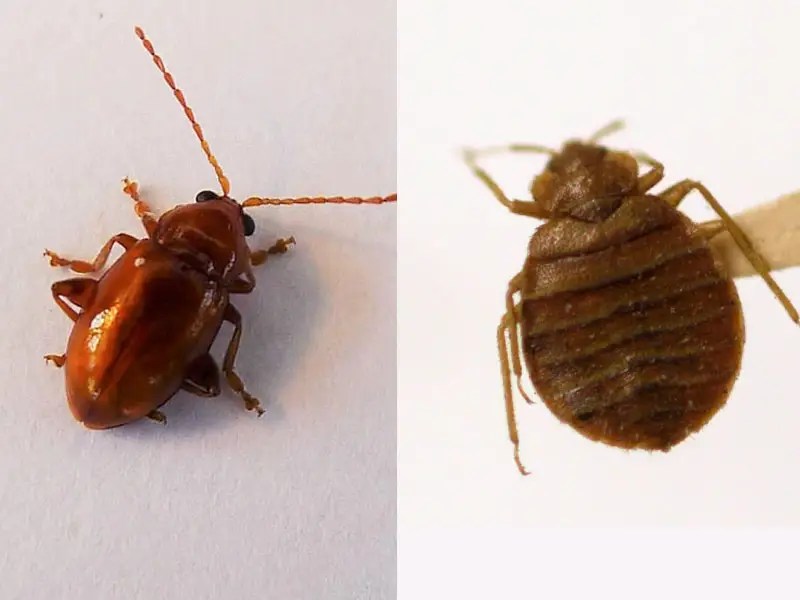
The Complete Overview of Bed Bugs and Fleas
Bed bugs and fleas are tiny, parasitic insects that feed on the blood of warm-blooded animals, including humans. Despite their similarities, they belong to different insect families and exhibit distinct behaviors. Bed bugs (Cimex lectularius) are part of the Cimicidae family, while fleas (order Siphonaptera) comprise various species, with the cat flea (Ctenocephalides felis) being the most common pest in homes.
The confusion between bed bugs and fleas often arises from their clandestine nature. Both insects are nocturnal, preferring to feed at night when their hosts are asleep. They are attracted to body heat and carbon dioxide, making beds and areas where pets sleep ideal habitats. However, their differences become apparent when examining their physical characteristics, life cycles, and the ways they affect their hosts.
Historical Background and Evolution
Bed bugs and fleas have a long history of association with humans and their ancestors. Bed bugs are believed to have evolved from cave-dwelling ancestors that fed on bats and other animals. As humans began to inhabit caves and later developed permanent settlements, bed bugs found a new, abundant food source in the form of human blood. Historical records of bed bug infestations date back to ancient times, with evidence of their presence in Egyptian tombs and ancient Greek writings.
Table of Contents
- The Complete Overview of Bed Bugs and Fleas
- Historical Background and Evolution
- Core Mechanisms: How It Works
- Key Benefits and Crucial Impact
- Major Advantages
- Comparative Analysis
- Future Trends and Innovations
- Conclusion
- Comprehensive FAQs
- Q: What are the primary differences between bed bugs and fleas?
- Q: Can bed bugs and fleas transmit diseases to humans?
- Q: How can I tell if I have a bed bug or flea infestation?
- Q: What are the most effective methods for controlling bed bugs and fleas?
- Q: How can I prevent bed bugs and fleas from entering my home?
Fleas, on the other hand, have a more diverse evolutionary history. They are thought to have originated from the Jurassic period, with fossil records indicating their presence alongside dinosaurs. Over millions of years, fleas evolved to become specialized parasites, adapting to various hosts, including mammals and birds. The association between fleas and humans intensified with the domestication of animals, particularly cats and dogs, which brought fleas into close contact with human living spaces.
Core Mechanisms: How It Works
The feeding habits of bed bugs and fleas are crucial to their survival and reproduction. Bed bugs have a specialized proboscis, a straw-like mouthpart, which they use to pierce the skin of their host and draw blood. This process is relatively slow, taking around 5-10 minutes, during which the bug injects saliva containing anesthetics and anticoagulants to facilitate feeding. The reaction to bed bug bites varies among individuals, ranging from no visible signs to intense itching and inflammation.
Fleas, in contrast, have a more efficient feeding mechanism. Their mouthparts are adapted for piercing and sucking, allowing them to quickly draw blood from their hosts. Flea bites are often felt immediately due to the insect's saliva, which contains substances that prevent blood clotting and cause an allergic reaction in many people, leading to itching and swelling. Fleas can consume up to 15 times their body weight in blood daily, making them voracious feeders.
Key Benefits and Crucial Impact
While bed bugs and fleas are undoubtedly nuisances, they have played significant roles in human history and continue to influence our lives in various ways. Understanding their impacts is crucial for effective management and control.
"The study of bed bugs and fleas offers valuable insights into the complex relationship between humans and insects, highlighting the importance of environmental hygiene and public health measures."
Major Advantages
- Public Health Indicators: Bed bugs and fleas can serve as indicators of hygiene standards and living conditions. Their presence may signal poor sanitation, overcrowding, or inadequate pest control measures.
- Disease Vectors: Historically, fleas have been significant vectors for deadly diseases such as the Black Death (plague). While modern flea control methods have reduced this risk, awareness of their potential to transmit diseases remains crucial.
- Research Opportunities: The study of bed bugs and fleas contributes to our understanding of insect behavior, biology, and evolution, providing valuable insights for entomology and pest management research.
- Economic Impact: Infestations of bed bugs and fleas can have substantial economic consequences, including costs associated with pest control, property damage, and loss of business in the hospitality industry.
- Behavioral Insights: These pests' behaviors, such as their preference for specific hosts and their response to environmental cues, offer valuable lessons in insect ecology and behaviorism.

Comparative Analysis
| Characteristic | Bed Bugs | Fleas |
|---|---|---|
| Scientific Order/Family | Hemiptera: Cimicidae | Siphonaptera |
| Common Species | Cimex lectularius | Ctenocephalides felis (cat flea) |
| Feeding Behavior | Slow, anesthetizes host | Quick, causes immediate reaction |
| Preferred Hosts | Humans, occasionally pets | Pets (cats, dogs), occasionally humans |
Future Trends and Innovations
As our understanding of bed bugs and fleas continues to evolve, so do the methods used to control and manage them. Future trends in pest control are likely to focus on integrated pest management (IPM) strategies, which combine biological, cultural, and chemical methods to achieve sustainable control.
Innovations in pest control technology, such as the use of pheromone traps, genetic analysis for species identification, and the development of new, environmentally friendly insecticides, hold promise for more effective and targeted control measures. Additionally, increased public awareness and education about these pests will play a crucial role in preventing and managing infestations.

Conclusion
The question "Are bed bugs and fleas the same?" highlights an essential distinction between these two common household pests. While they share similarities in their parasitic nature and nocturnal behavior, bed bugs and fleas differ significantly in their physical characteristics, feeding mechanisms, and preferred hosts. Understanding these differences is crucial for accurate identification, effective control, and mitigating their impacts on human health and well-being.
As we continue to coexist with these insects, ongoing research and innovative control strategies will help us better manage infestations and minimize the disruptions they cause. By staying informed and adopting proactive measures, we can protect our living spaces and ensure the well-being of our communities.
Comprehensive FAQs
Q: What are the primary differences between bed bugs and fleas?
A: Bed bugs and fleas differ in several ways. Bed bugs are larger, wingless, and have a more flattened body shape. Fleas are smaller, have long legs adapted for jumping, and possess wings during certain life stages. Their feeding behaviors also differ, with bed bugs taking around 5-10 minutes to feed and fleas feeding more quickly.
Q: Can bed bugs and fleas transmit diseases to humans?
A: Historically, fleas have been known to transmit diseases like the plague. While modern flea control methods have reduced this risk, bed bugs are not known to transmit diseases directly to humans. However, they can cause significant physical and psychological distress due to their bites and the associated stigma.
Q: How can I tell if I have a bed bug or flea infestation?
A: Identifying an infestation early is crucial. Look for small, dark spots on bedding or furniture (bed bug feces), molted skins, or the insects themselves. Fleas are more active and often found on pets or in areas where pets sleep. Using a flea comb and observing your pet's behavior can help detect fleas.
Q: What are the most effective methods for controlling bed bugs and fleas?
A: Integrated pest management (IPM) strategies are highly effective. This includes a combination of non-chemical methods like vacuuming, heat treatment, and encasing mattresses, along with targeted insecticide applications. For fleas, regular pet grooming, treating pets with flea prevention products, and maintaining a clean environment are essential.
Q: How can I prevent bed bugs and fleas from entering my home?
A: Prevention is key. Inspect second-hand furniture and clothing for signs of infestation before bringing them into your home. Seal cracks and crevices, use door sweeps, and maintain good hygiene practices. Regularly clean and vacuum your home, and consider using preventive pest control measures, especially if you have pets.
Leave a Comment
Comments are moderated before appearing. The data you submit is processed according to the Privacy Policy of stanford.edu.