Uncovering the Truth: Understanding Answer from the Choices Provided T F
In the realm of education, assessments, and surveys, the phrase "answer from the choices provided t f" holds significant importance. It refers to a common practice of presenting respondents with a set of options and expecting them to select the correct or most appropriate one. This approach is widely used in multiple-choice questions, true or false statements, and various other forms of evaluation. Understanding this concept is crucial for educators, researchers, and anyone involved in designing or taking such assessments.
The simplicity of "answer from the choices provided t f" belies its effectiveness in gauging knowledge, attitudes, and preferences. By offering a structured set of options, it ensures consistency in responses and facilitates efficient analysis. However, the success of this method relies heavily on the quality and design of the choices presented. This article delves into the complete overview, historical background, core mechanisms, benefits, comparisons, and future trends of "answer from the choices provided t f."
Whether you are a teacher crafting exam questions, a researcher designing a survey, or a student preparing for a test, this comprehensive guide will provide valuable insights into the art and science behind this seemingly straightforward assessment technique.
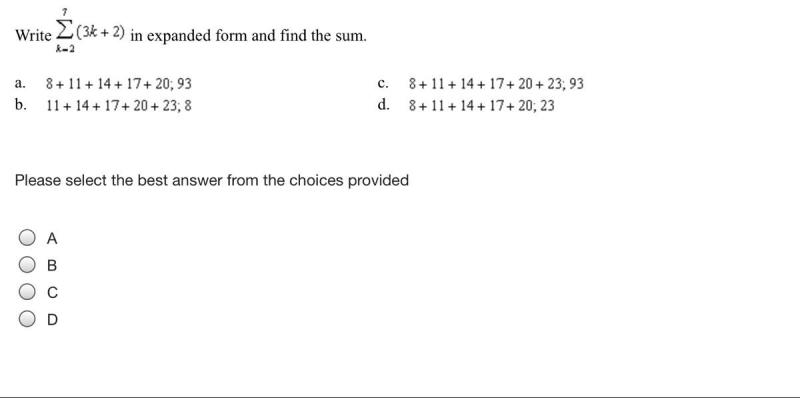
The Complete Overview of "Answer from the Choices Provided T F"
"Answer from the choices provided t f" is a method of assessment where respondents are presented with a question or statement followed by a set of options, typically in the form of multiple-choice questions or true/false statements. The objective is to select the correct or most accurate response from the given choices. This approach is widely used in educational institutions, market research, and psychological evaluations due to its simplicity, efficiency, and reliability.
The strength of this method lies in its ability to cover a broad range of topics while maintaining a structured format. It allows for the evaluation of factual knowledge, comprehension, and even critical thinking skills. Moreover, the standardized nature of the responses simplifies the grading and analysis process, making it a preferred choice for large-scale assessments.
Historical Background and Evolution
The use of "answer from the choices provided t f" can be traced back to the early 20th century when educational psychologists began developing more efficient methods of assessment. The multiple-choice format, in particular, gained popularity due to its ability to cover a wide range of content while minimizing subjectivity in grading. The true/false format, though simpler, also found its place as a quick way to assess basic knowledge or facts.
Table of Contents
- The Complete Overview of "Answer from the Choices Provided T F"
- Historical Background and Evolution
- Core Mechanisms: How It Works
- Key Benefits and Crucial Impact
- Major Advantages
- Comparative Analysis
- Future Trends and Innovations
- Conclusion
- Comprehensive FAQs
- Q: What does "answer from the choices provided t f" mean?
- Q: Why is this method preferred in many assessments?
- Q: How can I ensure the quality of the choices in my assessment?
- Q: Are there any disadvantages to using this method?
- Q: What is the future of "answer from the choices provided t f" assessments?
Over time, advancements in psychometrics and item response theory have led to more sophisticated ways of designing and analyzing these types of questions. Today, "answer from the choices provided t f" assessments are not only used in educational settings but also in various industries for employee training, customer feedback, and market research. The digital age has further expanded the reach and capabilities of this method, allowing for immediate feedback and data analysis.
Core Mechanisms: How It Works
At its core, "answer from the choices provided t f" operates on a straightforward principle: presenting a question or statement followed by a set of options, one of which is the correct answer. The key to its effectiveness lies in the quality and design of these options. Well-constructed choices should be:
- Clear and Concise: Each option should be easily understood and unambiguous.
- Mutually Exclusive: Options should not overlap or be redundant.
- Comprehensive: The correct answer should be included, and all relevant perspectives or possibilities should be covered.
- Free of Clues: The wording of the options should not give away the correct answer.
Additionally, the order of the choices can be randomized to minimize any potential bias or pattern recognition by the respondents. This ensures that the assessment accurately measures the knowledge or preferences being evaluated, rather than test-taking skills.
Key Benefits and Crucial Impact
"Answer from the choices provided t f" assessments offer a multitude of benefits, making them a cornerstone in various fields. These advantages include:
"The multiple-choice format allows for a quick and efficient way to assess a large number of students or survey participants, while still providing valuable insights into their knowledge and preferences."
Major Advantages
- Efficiency: Large-scale assessments can be conducted and graded rapidly, saving time and resources.
- Standardization: Consistency in responses allows for reliable data analysis and comparison across different groups.
- Minimized Subjectivity: Grading is objective, reducing the potential for bias or inconsistency.
- Broad Coverage: A wide range of topics and complexity levels can be addressed in a single assessment.
- Immediate Feedback: With digital platforms, respondents can receive instant feedback, enhancing the learning experience.

Comparative Analysis
| Assessment Method | Answer from the Choices Provided T F |
|---|---|
| Efficiency | High |
| Subjectivity | Low |
| Complexity | Can vary, but generally straightforward |
| Feedback Speed | Fast, especially with digital tools |
Future Trends and Innovations
As technology continues to evolve, so does the landscape of "answer from the choices provided t f" assessments. Several trends are shaping the future of this method:
- Adaptive Assessments: Using algorithms to adjust the difficulty of questions based on the respondent's performance, providing a more personalized and accurate evaluation.
- Digital Platforms: Online assessment tools offer convenience, instant feedback, and data analytics, making it easier for educators and researchers to conduct and analyze assessments.
- Artificial Intelligence: AI can be used to automate question generation, ensuring a constant supply of fresh and relevant content.
- Gamification: Incorporating game elements into assessments can increase engagement and motivation among respondents, particularly in educational settings.
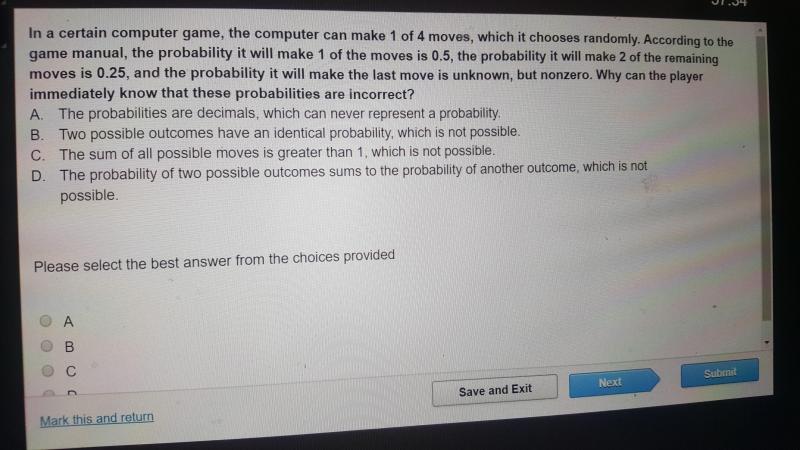
Conclusion
"Answer from the choices provided t f" assessments have proven to be invaluable tools in education, research, and beyond. Their simplicity, efficiency, and reliability make them a go-to method for evaluating knowledge, attitudes, and preferences. As technology advances, these assessments are becoming even more sophisticated, adaptive, and engaging. By understanding the core principles and keeping abreast of the latest trends, educators and researchers can continue to leverage this powerful method to gain meaningful insights.
Whether you are designing questions, analyzing results, or preparing for an assessment, the key to success lies in the careful construction and selection of choices. By doing so, you ensure that the "answer from the choices provided t f" method remains a reliable and effective tool for years to come.
Comprehensive FAQs
Q: What does "answer from the choices provided t f" mean?
A: "Answer from the choices provided t f" refers to a method of assessment where respondents are given a question or statement followed by a set of options, and they must select the correct or most appropriate response.
Q: Why is this method preferred in many assessments?
A: This method is preferred due to its efficiency, standardization, and objectivity. It allows for quick grading, reliable data analysis, and minimizes subjectivity in evaluation.
Q: How can I ensure the quality of the choices in my assessment?
A: To ensure quality, make sure the choices are clear, concise, mutually exclusive, comprehensive, and free of clues that might give away the correct answer. Randomizing the order of options can also help minimize bias.
Q: Are there any disadvantages to using this method?
A: While generally effective, this method can be limited in assessing complex critical thinking skills. It may also be less engaging than open-ended questions, depending on the context. However, these challenges can be mitigated through careful question design and the incorporation of varied assessment methods.
Q: What is the future of "answer from the choices provided t f" assessments?
A: The future looks promising with advancements in technology. Adaptive assessments, digital platforms, artificial intelligence, and gamification are some of the trends that will enhance the effectiveness and engagement of this method.
Leave a Comment
Comments are moderated before appearing. The data you submit is processed according to the Privacy Policy of stanford.edu.